A couple years ago, I talked frequently with a gardener who was growing corn for the first time. Every couple of days, she’d regale me with its progress: how fast it was growing, how its leaves unfurled, when it developed its first tiny proto ears, how it tasseled out. For weeks, the corn was a daily source of wonder and delight. At the end of the season, alas, the corn didn’t get properly pollinated, and there was really no crop to eat. At this point, the gardener deemed the crop “a failure” and decided she’d never grow corn again.
It’s true that in terms of nutrients, the crop was a huge disappointment. But what about the wonder, the smiles, the anticipation of going out to the garden each day and seeing how the corn had grown since the last visit? You see,I think gardens grow more than just calories and vitamins: I think they grow joy.
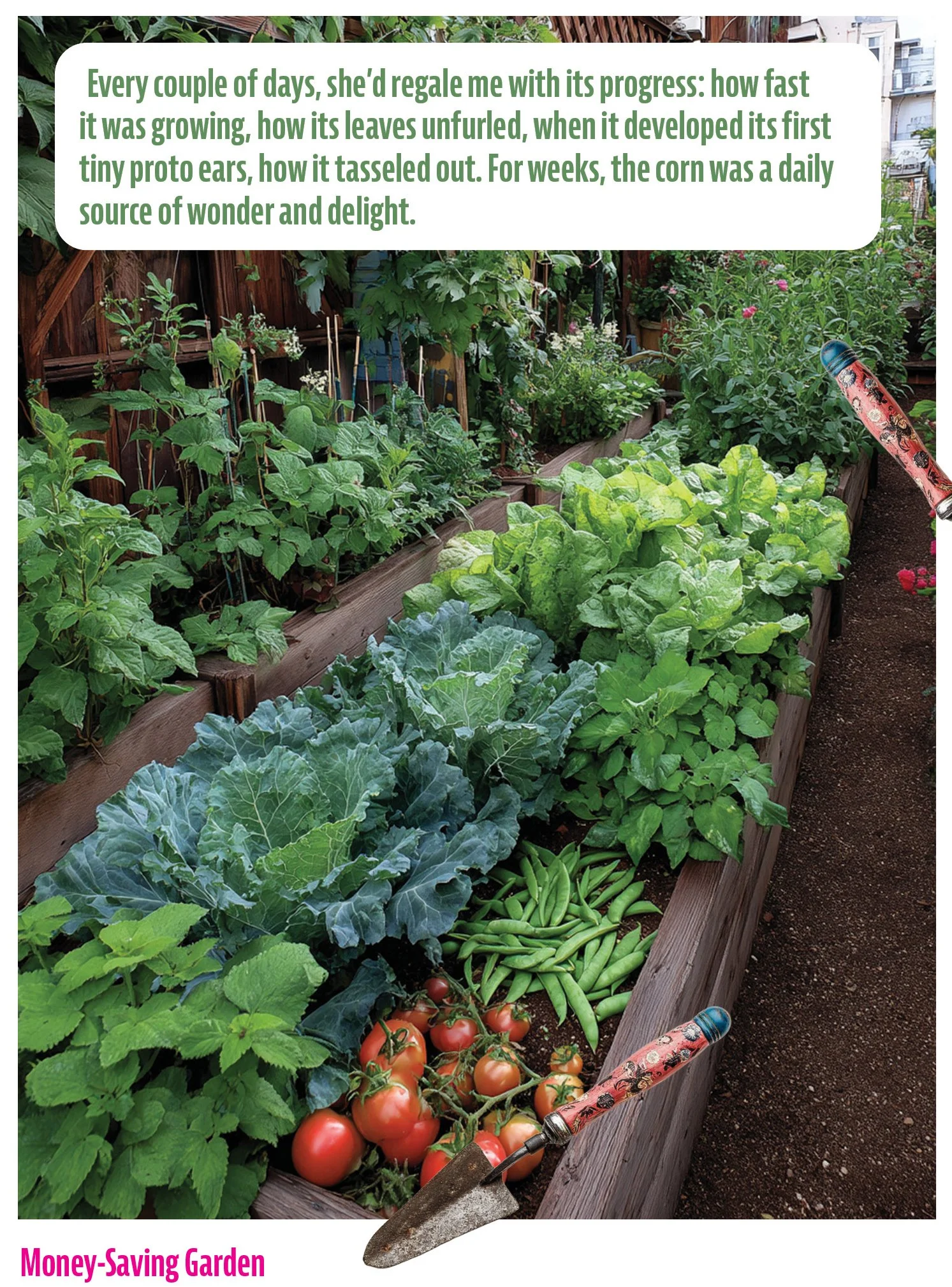
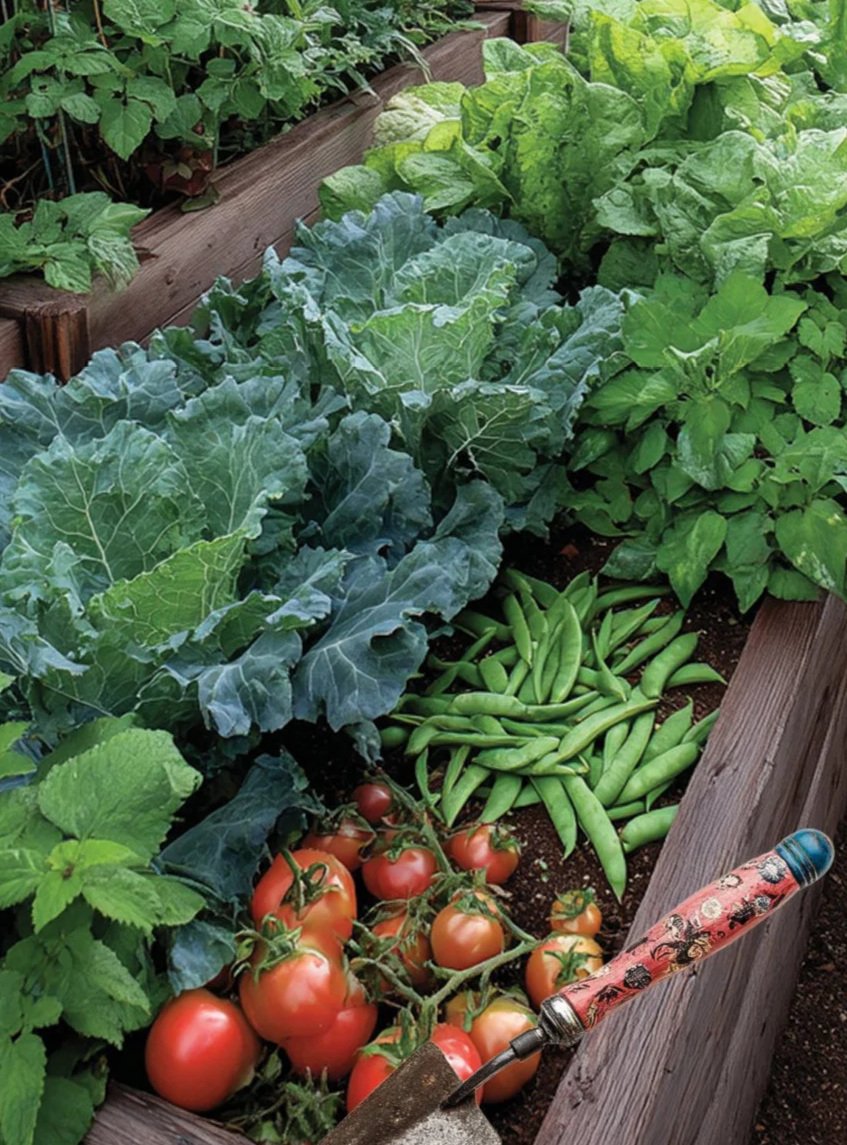
I’ve helped many people start gardens over the years, and my first question is, “What do you want to accomplish with your garden?” The answers vary widely, from “saving money” to “growing exotic ingredients” to my favorite: “The garden is now solely for the delight of the kids.” These are all valid approaches! To help you think about different approaches to gardening, here are some ideas for a simple 4’x8’ raised bed garden.
Money-Saving Garden
Some crops are both easy to grow and phenomenally expensive to buy. If you are interested in saving money, here are some great candidates for growing at home in Southern Michigan or other Zone 5b/6a gardens.
Lettuce—surprisingly pricey per pound. But, it’s easy to grow at home, at least until the 4th of July, when it will go bitter.
Snap or snow peas—eat the whole pod! As a bonus, these will taste better than anything you can buy at the store.
Kale, chard, and mustard—if you love greens, grow them easily at home.
Garlic—if you like fresh garlic, especially in unique varieties, this is a huge money saver. A $2 bulb of garlic will make 6-8 new bulbs!
Green beans—especially pole varieties, which will produce all summer long. One packet of seed can easily produce dozens of quart baskets of beans from July through September.
Tomatoes—cherry or grape tomatoes produce the most food per plant.
Herbs—basil, rosemary, sage…whatever you like! Buy the plants already started and they’ll pay for themselves many times over.
Raspberries—They need a sunny spot and room to roam, but raspberries are unbelievably expensive at the store because they are so fragile to ship.
Flavor Garden

Whether you’re a gourmet cook or dressing up plain beans and rice, a few fresh ingredients can make your supper sing. Try these crops for unique varieties you can’t buy at any market.
Herbs—there’s nothing like the flavor of fresh garden herbs! Just be aware that any kind of mint and related herbs like oregano will spread wildly. Consider keeping them in pots.
Garlic—ranges from sweet to peppery to downright hot! If you want garlic scapes, too, be sure to buy “hardneck” varieties.
Tomatoes—there are hundreds or thousands of kinds of tomatoes to suit every palate. Every color, every shape, every firmness…knock yourself out!
Peppers—sweet or hot. These benefit from a lot of sun and heat. Sometimes they don’t do well in a cool or partly shaded garden.
Snap or snow peas–Money literally can’t buy pod peas as good as what you’ll grow yourself.
Potatoes—Try fingerlings, purple potatoes, red potatoes for salad. It’s amazing to find potatoes that aren’t just a vehicle for butter!
Green beans—nothing compares to home-grown. Pick your color (green, yellow, or purple), size (slender haricort vert or full-size), and texture (with or without “fuzz” on the beans).
Dry beans—It’s hard to grow large quantities, but they are beautiful, varied, and delicious. And, you can just save a handful for next year and never buy seed again.
Baby winter squash—–if you think zucchini are flavorless and boring, try this: plant butternut squash, and start harvesting them when they are about the size of your hand with tender green skins.
Fascination Garden
These items grow fast, produce over long times, and encourage kids to try new foods.
Radishes—fastest growing food in the garden–four weeks from seed to table If they are too sharp for your tastes, try roasting them in the oven.
Lettuce—grows fast and comes in a million fun colors and textures.
Snap or snow peas—eat the whole pod! These are fun to watch climb a trellis, and they are absolutely my favorite thing to eat from the garden, right off the vine.
Potatoes—push a potato in the ground, cover it with straw, and a couple months later, go on a treasure hunt!
Onions—from onion sets. Put these baby onions in the ground with the just tips poking up first thing in April. They’ll first give you scallions, then sweet bulb onions (like a really fat green onion with a small bulb on it), then finally the dry, papery onions you’re familiar with.
Green beans—both bush and pole varieties. There is nothing so dramatic as pushing a bean seed into the ground and watching the bean plant shouldering its way out of the ground a few days later! Interesting textures (sandpaper leaves!), interesting flowers, tasty (and familiar) food, and sky-high plants.Beans have it all. Any variety will do.T ry a couple, and consider yellow and purple varieties, too.

Corn—especially multicolored varieties. If you only plant half a dozen corn seeds, you won’t get much to eat. You can hand pollinate it to help it set ears, but don’t expect piles of sweet corn. Still, corn is just plain fun to watch grow, and if you do get a couple decorative ears to use in a fall centerpiece, great!
Cherry tomatoes—any color or size. Cherry (or grape) tomatoes produce fruit earlier and for a longer season than big slicing tomatoes. Just plant one or two plants and give them LOTS of room and they will give you tons of tasty little toms all season long.
Zucchini or summer squash—wouldn’t be summer without it. Pick a fun shape or color, plant a seed and stand back! Squash is known for producing a lot of food. By the time the powdery mildew hits, you’ll be relieved to yank it out of the garden and give room for something else to grow.
Swiss chard—two plants will give you spinach-like greens all summer. The stems can be white or neon colors, and you can eat them like celery.
Emily Springfield is a gardener, somatic bodyworker, and herbal teamaker from Chelsea, Michigan. She loves to help people find joy through garden play and delicious harvests. For diagrams and more ideas, see her “How to Start a Garden” blog at eatclosetohome.wordpress.com/how-to-garden/ or she also does garden planning consultations! You can join her in her garden for bodywork, tea, and learning via fenhaven.com.
Read Related Articles: