

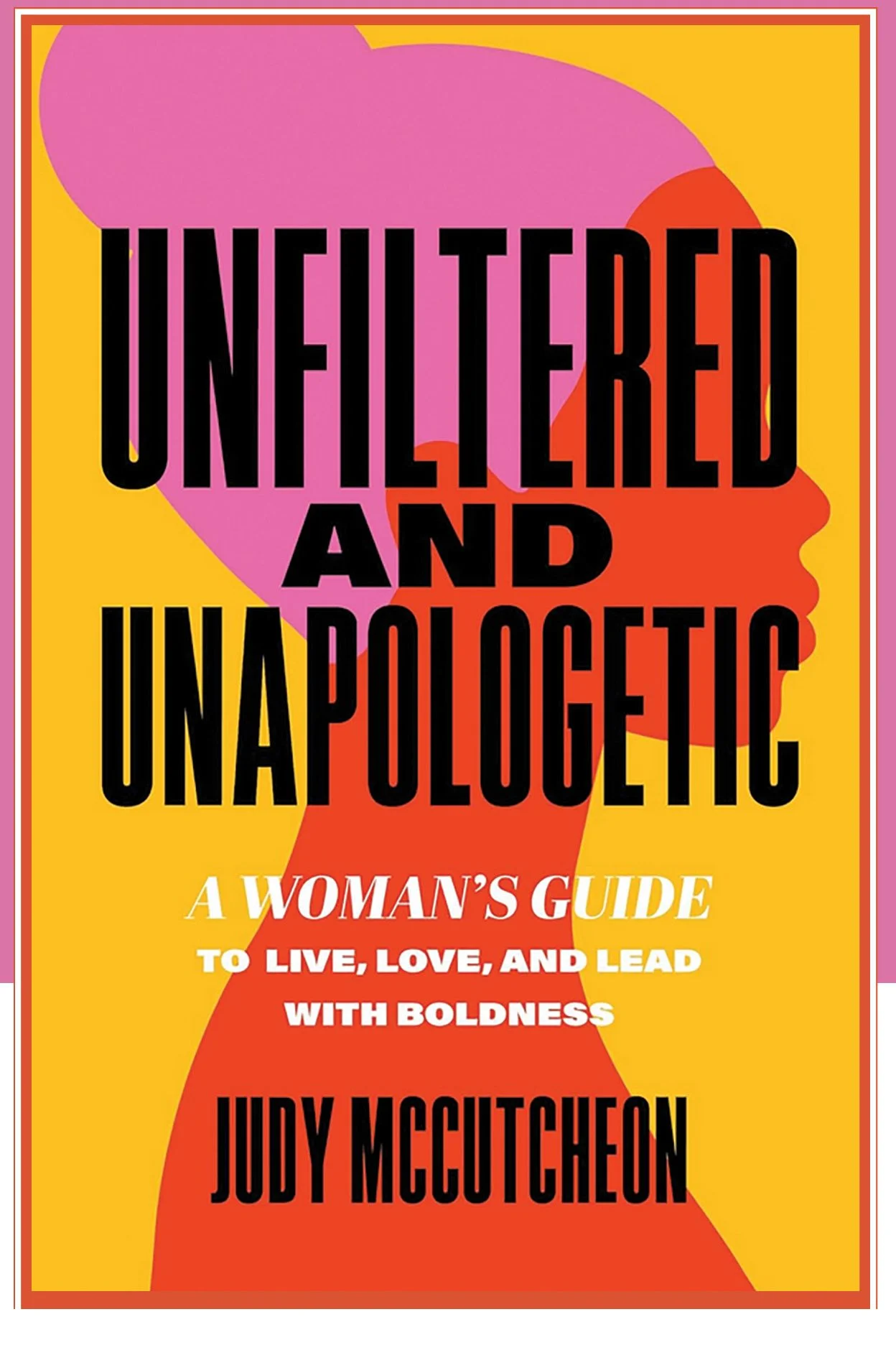
In Unfiltered and Unapologetic, Judy McCutcheon writes with the urgency of someone who has spent years watching women shrink themselves to fit expectations that were never designed for them in the first place. The book positions itself as both a guide and a challenge: an invitation for women to examine the habits, beliefs, and social pressures that encourage quiet compliance instead of confident leadership.
McCutcheon’s central argument is simple but forceful. Too often, women are taught that being agreeable is safer than being honest, that politeness should outweigh conviction, and that ambition must be softened in order to be acceptable. Unfiltered and Unapologetic pushes back against those assumptions. Through personal reflections, cultural observations, and practical prompts, McCutcheon encourages readers to reclaim their voice and live with a greater sense of self-definition. She states, “...for too long, you have been giving everyone else 99 percent, and it has left your cup empty. It is time for you to refill your reservoirs and nurture your water supply….”

The book is structured in a series of thematic chapters that explore different dimensions of boldness—personal authenticity, leadership, relationships, and self-worth. Each chapter blends storytelling with reflection, creating a rhythm that alternates between narrative moments and broader lessons.
McCutcheon frequently draws on her own experiences, recounting professional and personal turning points in which speaking honestly or refusing to compromise her values reshaped the path forward. From job interviews and applying for a summer program at a prestigious university, to divorcing her husband and almost dying after a surgery scare, these anecdotes serve as the emotional anchor of the book grounding its broader advice in lived experience.
Stylistically, McCutcheon writes in a direct, conversational tone. The prose is accessible and motivational, favoring clarity over complexity. Sentences tend to be short and declarative, reflecting the book’s broader message of decisiveness and self-trust. “I am strong and powerful. The present moment is all I have. I am forever badass, unfiltered, and unapologetic.” The voice is confident but approachable, as though the author is speaking directly to readers in a candid conversation rather than delivering a distant lecture. That conversational quality makes the book particularly readable, especially for audiences encountering leadership or empowerment literature for the first time.

One of the strengths of Unfiltered and Unapologetic lies in its emphasis on self-examination. McCutcheon does not frame boldness as loudness or confrontation. Instead, she describes it as alignment between values and action. The book repeatedly returns to the idea that authenticity requires courage—the courage to disappoint expectations, to challenge norms, and to prioritize personal integrity over external approval. In this way, boldness becomes less about dominance and more about clarity.”
The tone of the book remains encouraging throughout. McCutcheon writes with a sense of optimism about the possibilities that open when women stop editing themselves to meet others’ comfort levels. At the same time, she acknowledges that social pressures—particularly around leadership, ambition, and emotional expression—are deeply ingrained. Rather than pretending those barriers do not exist, the book frames boldness as an ongoing practice, something cultivated through small but meaningful choices over time. “You need to give yourself permission to be free in life—free from other people’s opinions, views, and expectations,” she wrote.
From a structural standpoint, the guide format allows readers to move through the book either sequentially or selectively. Individual chapters function almost like standalone reflections, each exploring a specific dimension of self-advocacy or leadership. This modular structure makes the book approachable for readers who may prefer to absorb its lessons gradually revisiting certain sections as circumstances in their own lives evolve.
What ultimately distinguishes Unfiltered and Unapologetic is its insistence that personal authenticity is not a luxury but a necessity. McCutcheon argues that leadership, relationships, and personal fulfillment all begin with a willingness to speak honestly about who we are and what we value. In a cultural moment that often rewards careful self-presentation and curated identities, the book’s central message—to live with fewer filters and fewer apologies—feels both refreshing and quietly radical.
By the end of the book, McCutcheon leaves readers not with a rigid formula for bold living, but with a set of guiding questions: Where have we learned to silence ourselves? What expectations are we still trying to satisfy? What might change if we stopped asking for permission to lead our own lives?
Unfiltered and Unapologetic does not claim that boldness is easy. Instead, it suggests that it is necessaryand that living honestly may be the most powerful act of leadership a person can practice.
Find more book reviews:

















































































































































































Elizabeth Kolbert has spent decades reporting from the fault lines of our planet—melting glaciers, vanishing species, rising seas, shifting microbial worlds. In Life on a Little-Known Planet: Dispatches from a Changing World, she gathers essays that feel at once intimate and planetary, investigative and philosophical. The title itself is telling. For all our satellite imagery and data modeling, Kolbert suggests we are still strangers here.