
Article and Photos by Hilary Nichols
Jeff Parness parked his utility vehicle, affectionately named Giuseppe, at the high point on his 143 acres just west of Ann Arbor. He named his UTV after an elderly gentleman in Italy who loved the dance reels Parness posted on Facebook during the pandemic. “I made videos of myself dancing with my Stetson hat on, to the Italian song “Everything will be okay.” The story went viral and connected Parness with a man living at an old-age home in Italy. “How do you create joy in the world during lockdown?” Parness asked, “You make a fool of yourself, dancing for an old man half a world away.”
Jeff Parness is full of stories; entertaining, detailed, and animated. But this story is about Parness and his newly built home in Ann Arbor. “This property saved my life. It was the clouds,” he told me. “I found this property as I was storm chasing.”
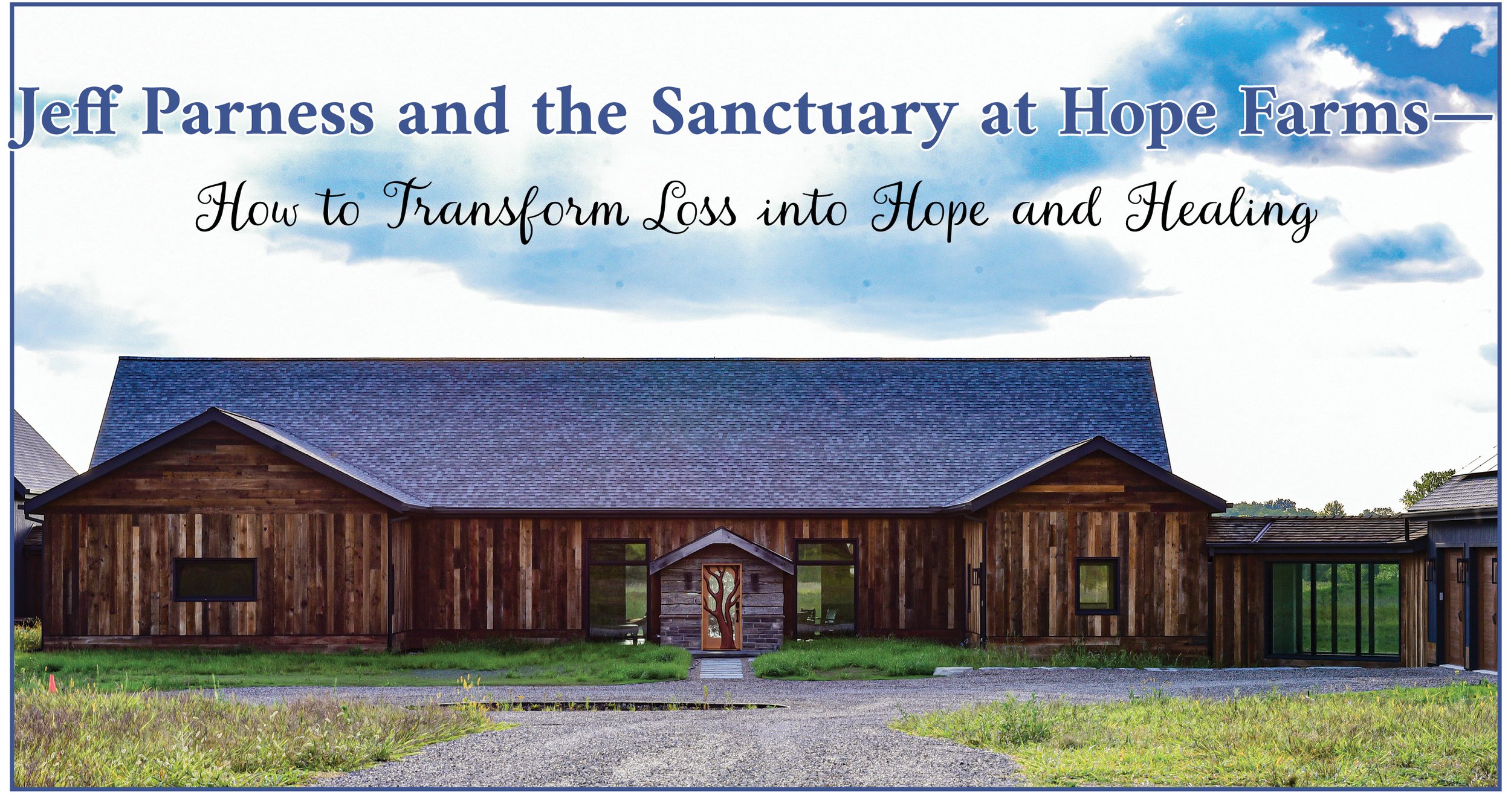
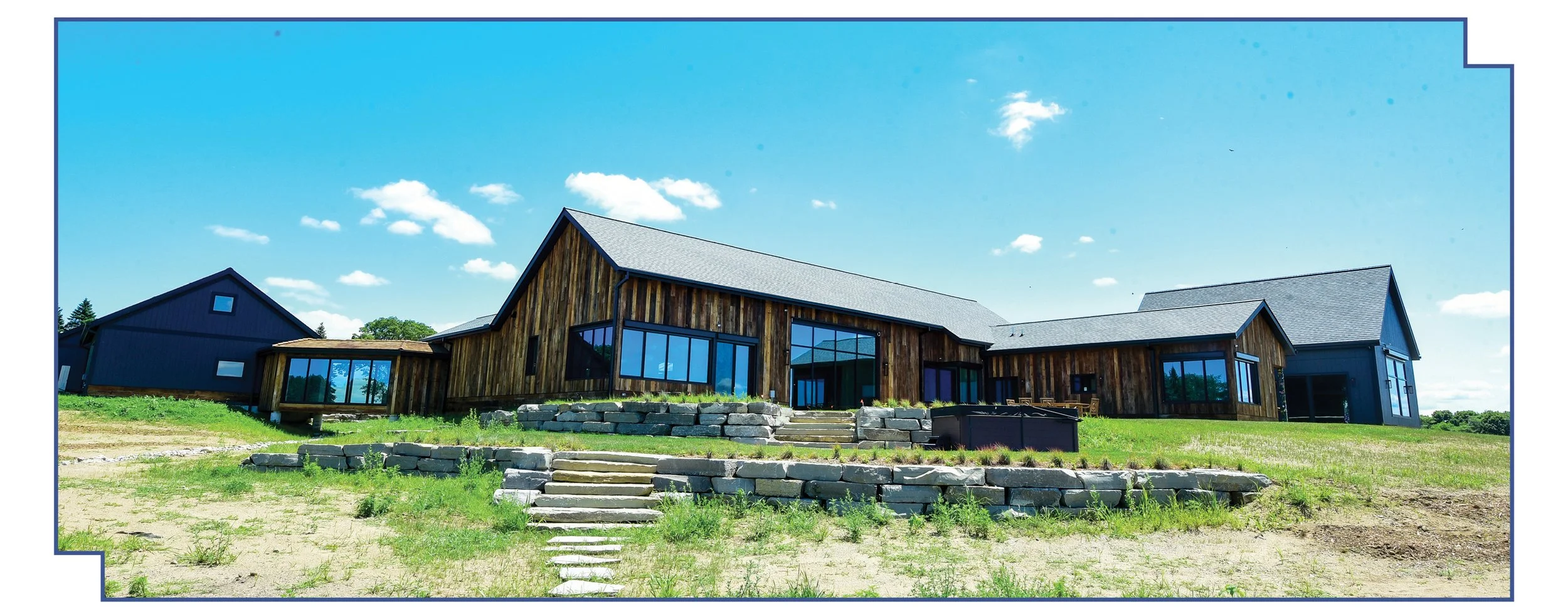
Their home, that Jeff’s wife, Sandra, named Sanctuary at Hope Farms, is a cutting-edge example of Net Zero, climate-responsive architecture designed and built by two exceptional Ann Arbor firms specializing in sustainable design-build projects: Architectural Resource, LLC, and Adaptive Building Solutions, LLC.
Jeff Parness was born and raised in an Orthodox Jewish community in Brooklyn, New York. “But I always felt like a country boy at heart.” He met his wife, Sandra Hauser, while they were U of M students in the 1980s. “It was in Ann Arbor that I began to discover myself as an American.” He used to travel for spring break to Ishpeming in the U.P. with his college roommate. “The Midwest is really cool, I decided.” In April of 2020, he and his wife took a long-term rental to be closer to their two sons, both U of M students at the time, while steering clear from the contagion of Covid in their Manhattan apartment building. “In all my years as a student and visitor here we would do the traditional stops at Zingerman’s and Dominick’s, but I had never been west of town.”
Parness began to tour the country roads by mountain bike. “I had stopped to photograph the old cemetery at the corner, when I saw a big storm cloud stretched like eagle wings over this tree line. Like a magnet, I was drawn down the rough old drive onto this land.” With a bottle of wine and two camping chairs he and his wife then returned nightly to watch the sun set under the collage of clouds from this field. “We could not ever have imagined finding a more peaceful spot on the planet. There is something magical here. Like a Norman Rockwell painting. I had never been to a more tranquil place, and I discovered it at the exact right time in my life.” On their way out he saw a “for sale” sign that had fallen into the bushes.
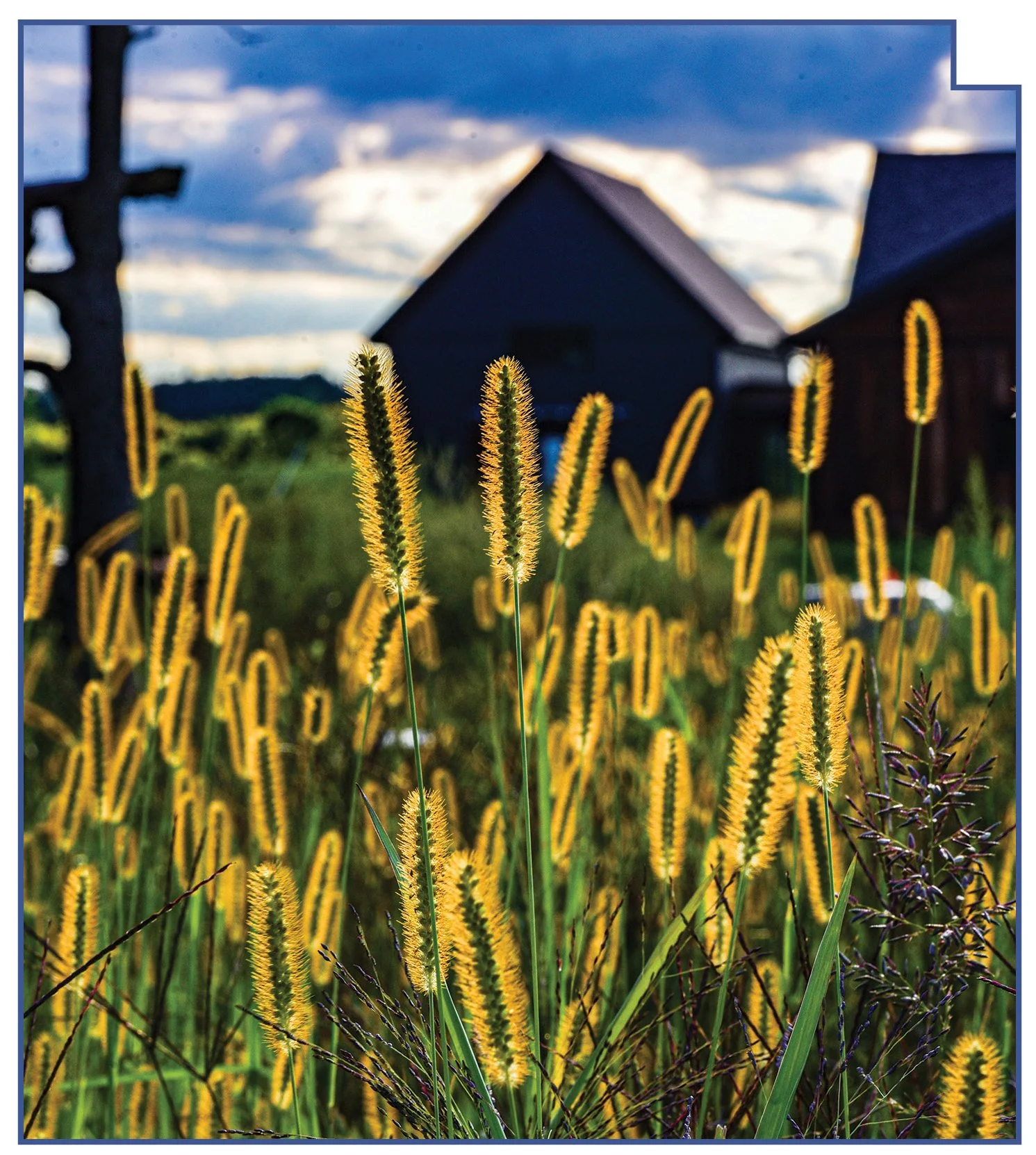
“I brought you to this spot to report how this land saved my life.” Parness is poetic about this terrain. He pointed out an arcing swale where the shadows contrasted with the curve of tall grasses catching the last of the sun, surrounding a natural pond. “The gentle undulation of this topography feels like it is hugging you.”

He gestured his hand broadly toward the expansive horizon as though to offer credit where it is due. “This is a crazy story, but all my stories are crazy. Or divine. Or guided.” Parness wove a tale of serendipity and coincidence, talismans, angels, and signs from the other side, and he rooted it into this present time and place. “The story starts in Stanley, North Dakota and it ends right here at this exact spot, on this hill.”
Local Pheasants Forever volunteers were refurbishing the natural wildlife habitat on his land, when one gentleman said, “See that swale, it looks just like a spot in North Dakota.” Parness asked where. “Oh, you wouldn’t know it, just a small farm town called Stanley, North Dakota.”
With the organization that he founded, which is called ‘New York Says Thank You,’ Parness had spent months in North Dakota. He’d taken a group of New York fire fighters to build Annie’s House, a ski lodge and adaptive ski program for children and adults with special needs. The lodge honored 9/11 victim Annie Nelson, who was born and raised in Stanley, North Dakota. “This may be the craziest 9/11 story, but it proves, when some people die, they never leave,” Parness took the serendipity as a sign. “That was Annie. I guess she approved.” In a full circle moment, the inspiration for his philanthropic efforts signaled her appreciation of his Ann Arbor move.
It was in 2020, as he was researching how PTSD would impact the frontline medical workers faced with the oncoming Covid crisis, that Parness realized he had to take a break. “You have to make a conscious decision not to let trauma have power over you anymore.” Parness learned this from Josh Garcia. Having survived the Pulse Nightclub mass shooting, Garcia was an active volunteer with New York Says Thank You. Parness advanced Garcia into his role as executive director of the Foundation, and took his leave, finding himself west of Ann Arbor on a mountain bike.
“The two most powerful words in the English language,” he told me, are “What if?” He asked his wife when they first saw the ‘For Sale’ sign, “What if? What if we sell our four-bedroom apartment of 25 years on the Upper West Side of Manhattan to buy this beautiful 143- acre piece of bare land outside of Ann Arbor?” And within 33 days, as the signature of sale was signed, they completed the purchase of this dream land.
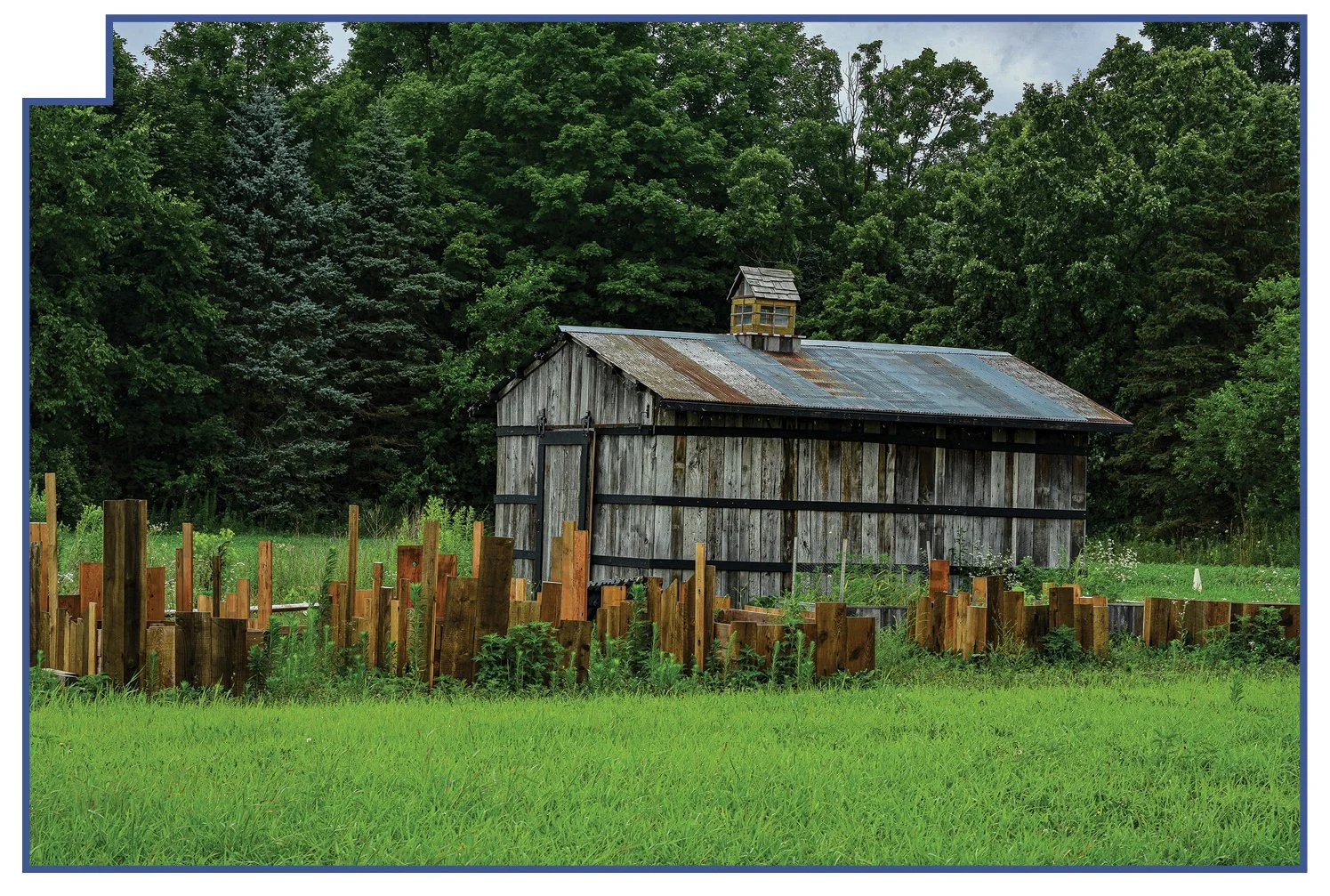
Jeff Parness spent the next five years on the land, building a small cabin with his own hands while overseeing the building of his dream home. His son, Josh, remembered, “Before there were any foundations, my dad built a massive wooden rectangle standing up in the middle of the property where the great hall window would eventually frame the property’s rolling hills. The house’s foremost feature is the appreciation for the land itself.” Josh continued, “The focus was always on artistry, both in the structure itself, and of the natural beauty of Michigan’s landscape. Every window, every sightline, all materials, and other design choices were specifically made to be as non-disruptive as possible, so that the house would sink into and fall away behind the beauty of the property, with or without a house.” Their relationship to the land was never overlooked.
It was his son, Evan, that insisted the land and natural resources be honored first. Evan graduated from Taubman College of Architecture at U of M in 2021 with a minor in Environmental Sustainability. Evan said, “If we are going to build a house on this property, we have to honor the environment.” As an intern with Architectural Resources, Evan was able to do just that. “I feel really lucky to have had the opportunity to embed so many meaningful design decisions, each an example of how environmental design can be a project driver leading to beautiful architectural resolution,” Evan said.
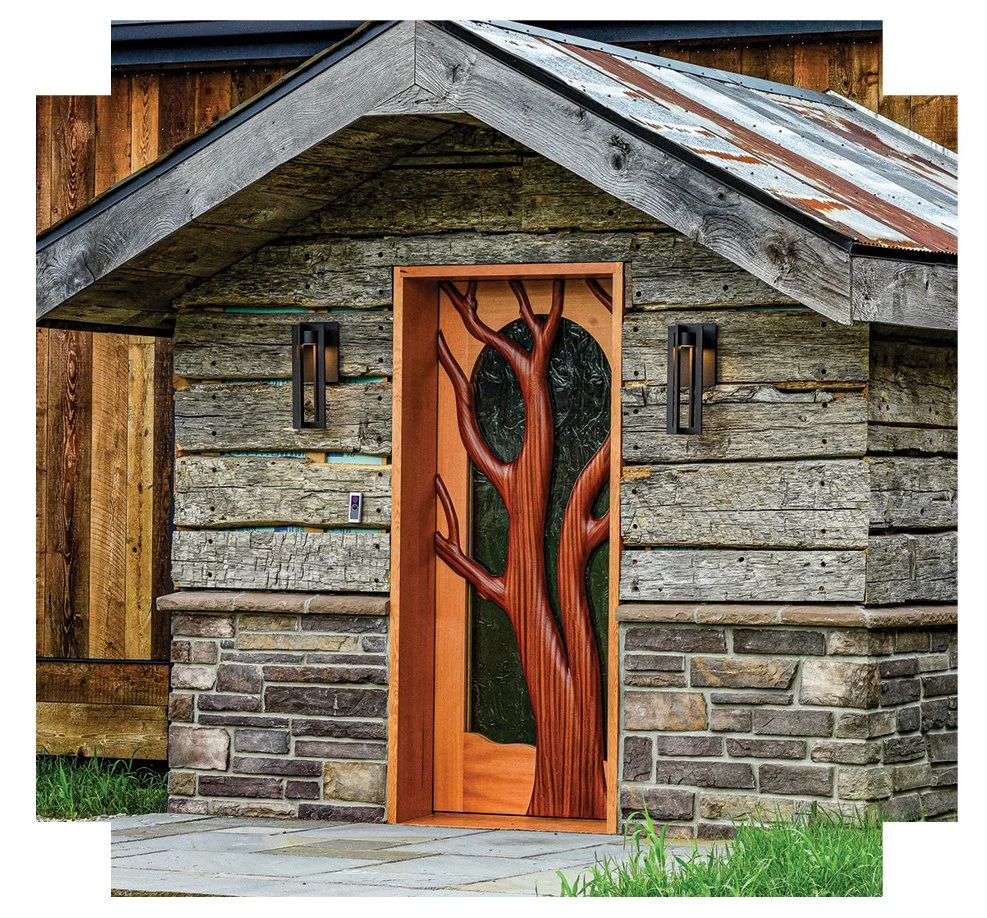
“We were blessed to work with Michael Klement and Susan Hall of Architectural Resource,” Parness continued. “We loved their aesthetics and their ethics as innovators committed to sustainability on the cutting edge.” Architectural Resource centers choices not just for clients, but for climate concerns first. Verified net-zero buildings currently represent less than one percent of all commercial buildings. The collaboration of Architectural Resource, working together with Adaptive Building Solutions, have been responsible for many of them. “We have collaborated on eight houses with Architectural Resource, and all of them have received a sustainability certification,” said Andrea Mahon. Mike and Andrea Mahon founded Adaptive Building Solutions as a sustainable Green Building and Design company specializing in high performance, sustainable green building and design. Jeff Parness gushed about the collaboration of Architecture Resource and Adaptive Building Solutions. “As a team they are true thought-leaders in environmental sustainability in building and design, with innovations like a permanent wood foundation which stripped out a lot of concrete in the building process, to geothermal cooling, bird safe glass, solar power generation, and using reclaimed lumber on the exterior and interior of the home to minimize tree loss. Their values and our family’s values were in total alignment to honor the natural environment first in everything we chose.” “Sustainability is a necessity now,” said Mike Mahon.
Micheal Klement noted, “This is one of the most incredible pieces of architecture that we have ever designed.”
Andrea Mahon said, “It was and is a once in a lifetime opportunity to collaborate on such a remarkable project. It is something we can all feel proud of.”
“In the end there is a lot of love that goes into the karma of the house,” Mike Mahon added. (You can read more about the environmentally sustainable efforts of these design teams in an upcoming article on their collaborative work in the Spring 2026 issue.)
The good karma of the home echoes that of its owner. Jeff Parness is rich in karma credit from his decades spent at the front lines of altruism.

Jeff Parness started the New York Says Thank You Foundation in 2003, driving a truck of donations from his West 96th Avenue apartment to San Diego’s Cedar Fires survivors. He gives credit to his kids. “It was our son’s idea. We heard a human-interest news story of a girl that lost her princess costume in the San Diego fires. Parness asked his kids, “What do you think you would do to help that girl?” His four-year-old son Evan spoke up. “Dad, maybe we could box some of our toys and mail them to that little girl.” Then he expanded. “Maybe we should put some clothes and coins in the box for the little girl, too.”
Stunned, Parness asked, “Maybe your friends would want to pitch in too?” His son’s response of “Wow! Dad we could send lots of stuff to the kids in California,” resulted in his first trip. In three days, they had 500 volunteers helping load a 17-foot U-Haul trailer for Parness to deliver to the San Diego relief efforts. “I put a huge sign on the side of the truck that said, ‘New York Says Thank You.’” That is how it all started. “For me it was selfish, but they say all altruism always is. I wanted to take a road trip. I wanted to teach my son something about sharing. And finally, I knew it was a way to return the favor.”
“We wound up on 22 television news stories around the US that week telling of the little boy in New York who wants to help a little girl in California.” Then, my son’s response to a report of a tornado in Iowa was, “Dad, can Josh and I drive the truck if they need toys?” Parness recognized he wouldn’t be going back to his corporate finance work anytime soon. He realized this might be an ongoing project.
Jeff Parness spent his college-age summers as a young intern in Washington D.C., in Reagan’s White House, working in the office tasked with the administration’s strategic defense initiative. Later, he quit his first job at the Pro-Israel Lobby AIPAC after two weeks when “I realized I couldn’t be authentic with my belief system that Palestinians should have the same exact rights as Israelis. We are all God’s children; we are all one people.” Raised in Brooklyn as a good Jewish Yeshiva student, Parness’s senior thesis may have been unexpected. “I wrote from the perspective of a Palestinian refugee inside Lebanon.” He studied Arabic for two years, ignited by the realization that, “if you want to create peace with a people, you have to honor their language.”
Rather than take another job, he turned his DC experiences into a self-compiled guidebook on internships. While seeking to get published, he received advice that set the course for his life. His best friend’s dad, a publishing executive, offered some advice. ‘Don’t rely on someone else to do it for you, when you can do it yourself and keep the profits.’ “This changed the course of my life and put me on an entrepreneurial path,” said Parness.
When his friend and Arbinet founder Alex Mashinsky proposed they start their own venture, Parness said, “Introduce me to the smartest people you know.” That is when he met Hagay Shefi, who became a colleague, a mentor, and a dear friend. Shefi was presenting at a conference at Windows on the World, on the top floor of the World Trade Center, on the morning of September 11, 2001.
Parness has been trying to find a way to honor the death of his great friend and business partner ever since. That is when his life took a turn. He became an accidental serial nonprofit entrepreneur starting New York Says Thank You, Stars of Hope, and five other foundations in the names of disaster victims. The impact of witnessing Americans rushing in to help New Yorkers was the impetus. “I’ll never forget the day after. It wasn’t 9/11 that inspired us. It was 9/12, when everyone from all the “quote unquote” flyover states showed up to help.” The motivation was meaningful and magnetic.
“I realized, wait a minute, if this is about transforming the worst day in American history into something positive, with 9/11 as a catalyst, what emerged, the gestalt, was really about 9/12. Honoring the sense of compassion, kindness, and volunteer spirit of unity—not just from fellow Americans but from people all over the world.” In 2003, he took eleven volunteer New York firefighters and three survivors to help rebuild after San Diego’s fire. That was the beginning. A 10’ x 5’ photo of their subsequent build is in the permanent collection at the 9/11 Memorial and Museum at Ground Zero. “In response to destruction, constructing something to last, that is more therapy than many of these firefighters will ever have. The healing impact of swinging a hammer can’t be underestimated,” Parness said.
Eventually over 700,000 volunteers participated in New York Says Thank You Foundation’s service initiatives in all 50 states, and its programs have lifted the spirits of millions of disaster survivors in 31 countries around the world. He described the growing community of volunteers as a huge dysfunctional family of disaster survivors. “It is the power of human connection that really heals people.”
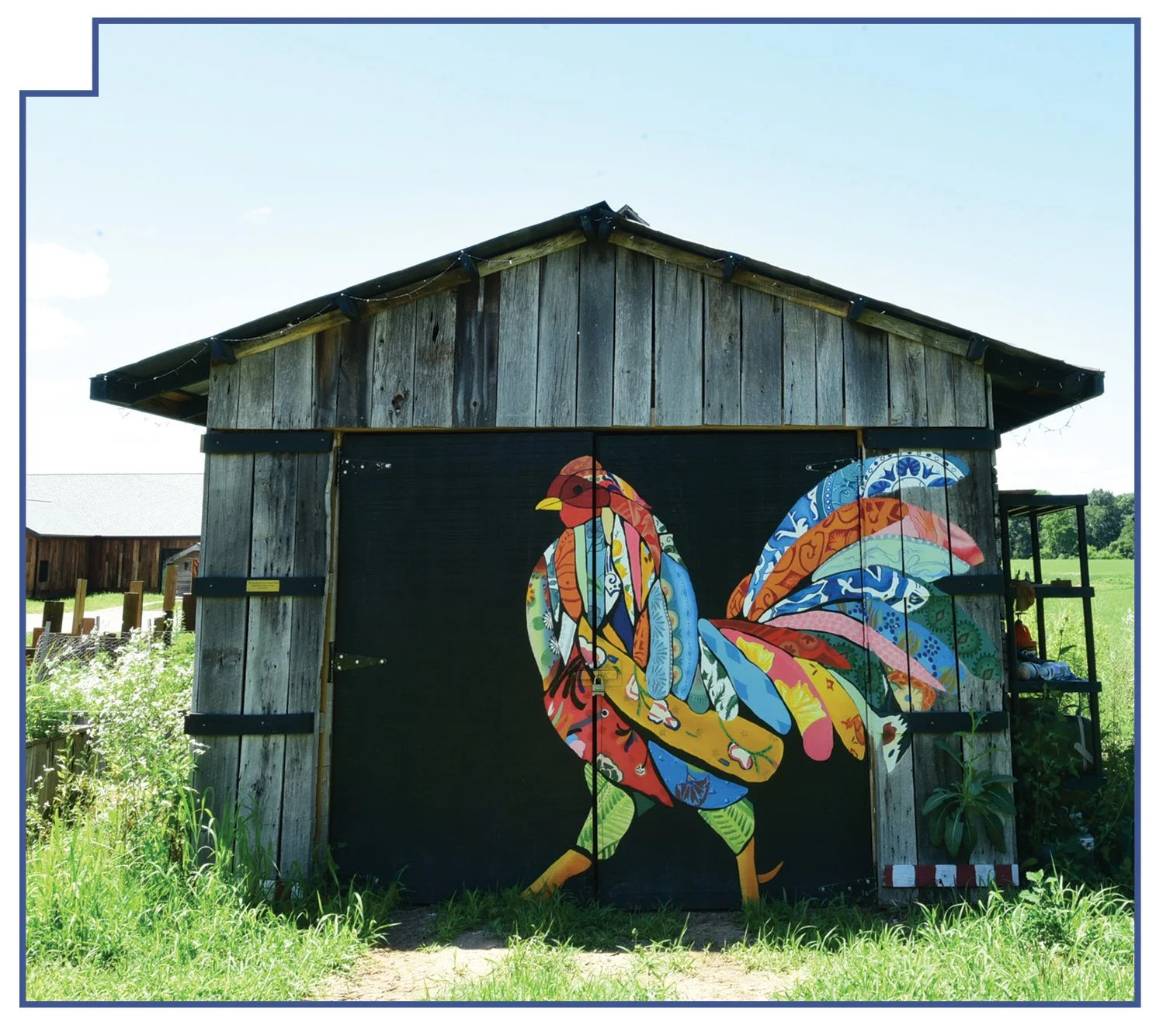
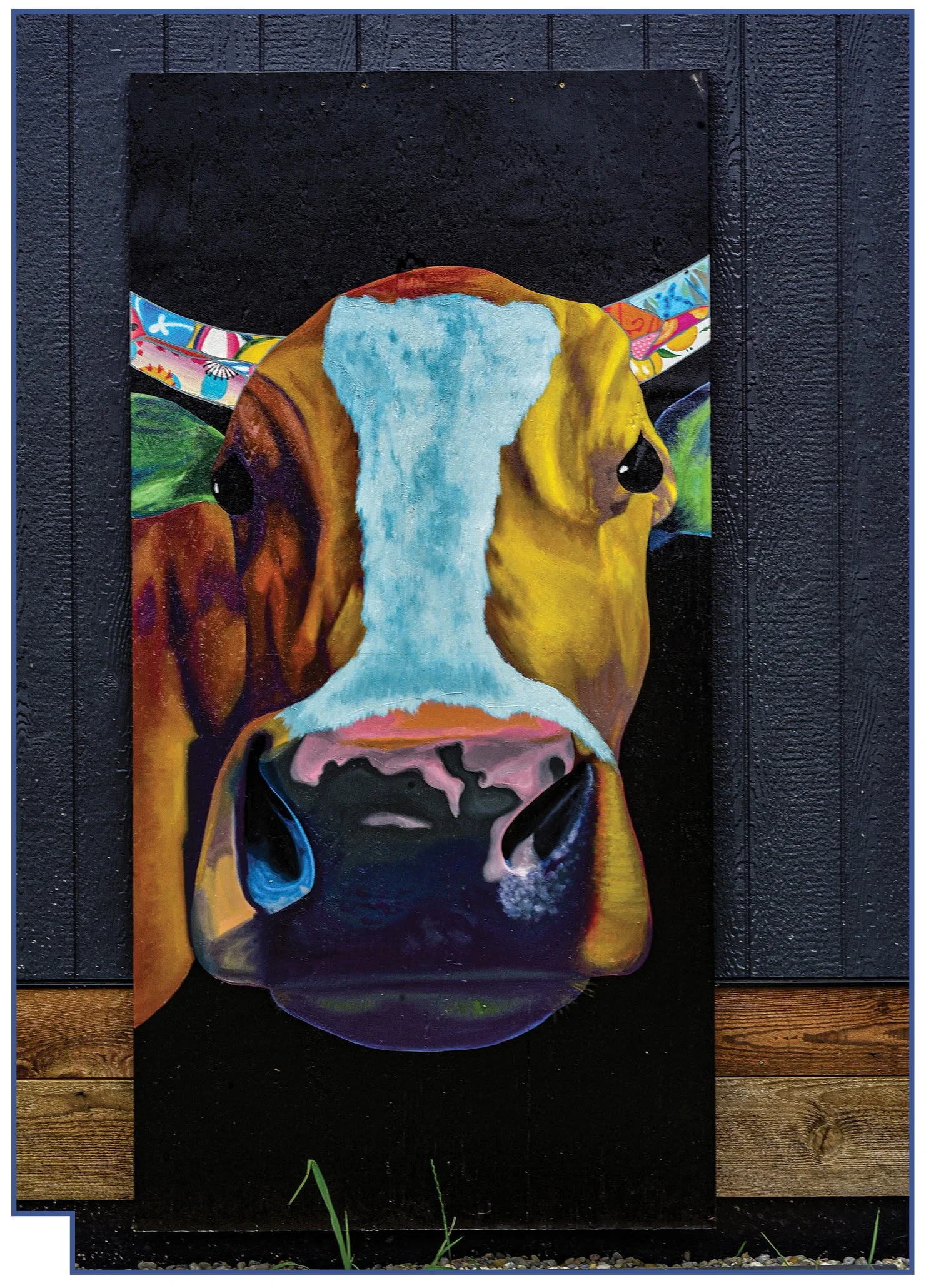
Parness realized it was time to expand the outreach. He sunsetted New York Says Thank You in 2015, to focus more effort on his follow-up foundation, Stars of Hope. Started in 2007, the healing arts program transforms tragedy into hope through the healing act of community creativity. “If you can empower those at disaster sites to paint words of compassion and creativity, you can offer healing to anyone, anytime, anywhere. Survivors sending hope forward to survivors at the next site in need, is how we facilitate healing exponentially, to touch all corners of the world.” Through their network of disaster volunteer coordinators, these stars have been hung at every disaster site around the world, including every mass shooting since San Bernardino in 2015. All from the question Parness asked himself, “How do we transform loss into hope and healing?”
In 2017, Combatants for Peace shared a post from a gentleman in Gaza that read, “I just want to live in peace and love with our neighbors. For us to be free, Hamas has to leave.” Parness was moved. In 2018 the same man posted, “Today was the greatest day of my life. I got to meet my neighbors,” with a photo of himself with Israeli Jews and Israeli Arabs on the Israeli side of the border. An Israeli volunteer driver had brought him to the meeting.
Parness realized, “Holy shit, these people are stars of hope.” Compelled to sanctify that meeting with what he knew best, hope, Parness booked a flight. “I wrote to the volunteer driver: ‘I have to go to the exact spot, and you’re the only one that knows where it is. I am on my way.’” Within 24 hours he was driven to the ‘Light House to Gaza’ in Kibbutz Be’eri near the border wall, where quiet conversations consider coexistence sincerely. Parness hung stars that had been painted with hope by children at the United Nations International School, halfway around the world.
While reading Toward a Meaningful Life, The Wisdom of Rebbe Menachem Schneerson, Parness pondered the simple premise that everyone has a divine life purpose. “I took out a piece of paper and wrote my divine purpose is… and before I could even pause, I quickly wrote, ‘My divine purpose is to bring hope and healing to people in need.’” The exercise surprised him. “Well damn, that explains why I have been doing all this stuff.” And ever since that day, “I have been pretty much at peace, knowing that I am living my divine purpose.”
Though purpose doesn’t come without a price. “When you are in the hope and healing biz full time,” Parness continued, “bringing firefighters who survived 9/11 to help disaster victims of tornadoes and mass shootings, and on the front lines at the Israeli/Palestinian border—you absorb all that pain.” And then the pandemic hit. To avoid both the pathogen and the pathos, Parness knew it was time to seek a new path. That path led him to Ann Arbor.
“This home lays the groundwork for a lifestyle rooted in environmental connection and stewardship. That we can build a better-built environment that enriches and regenerates the natural environment, breaking down the separation between the two, it gives me hope for the future,” Evan Parness said. Again, Jeff Parness embraces and embodies his commitment to hope. “Finally, it feels like I can rest.” Parness sighed, “This is my sanctuary.”
Now, five years later, all the pieces are in place. Parness moved into the rustic new build on this idyllic piece of property west of Ann Arbor all because of the clouds. The 12 x 40-foot wall of windows was custom-built with the sky in mind. “When the weather channel reported that the nearest storms I was viewing through the window were over Fort Wayne, Parness googled “Considering the curvature of the earth, can I view the clouds 140 miles away?” The answer was yes. “I can see Indiana from my living room,” he marveled. The night sky stretches across the length of the living room. “I see the Milky Way from my living room. This really is something.” Facing west, the wall of windows is ideally oriented to view the sky that inspired the Parness’s relocation.
His neighbors were concerned that the empty land where they all sat for sunset was purchased. “I let them know, I bought the land. I didn’t buy the sunset!” So, with his hammer back in hand, Parness built benches to welcome his neighbors to enjoy the view. “The greatest remedy for PTSD is nature and physical activity. That is how this house saved my life.”
Explore more about Jeff Parness, and his foundations, New York Says Thank You, and Stars of Hope at wave3.com/story/5363065/new-york-city-firefighters-to-help-rebuild-tornado-stricken-town.
And keep a lookout for an article in our next issue on Architectural Resource LLC — https://architecturalresource.com, and on Adaptive Building Solutions LLC — https://adaptivebuilding.com/about-us.
Read Related Articles:
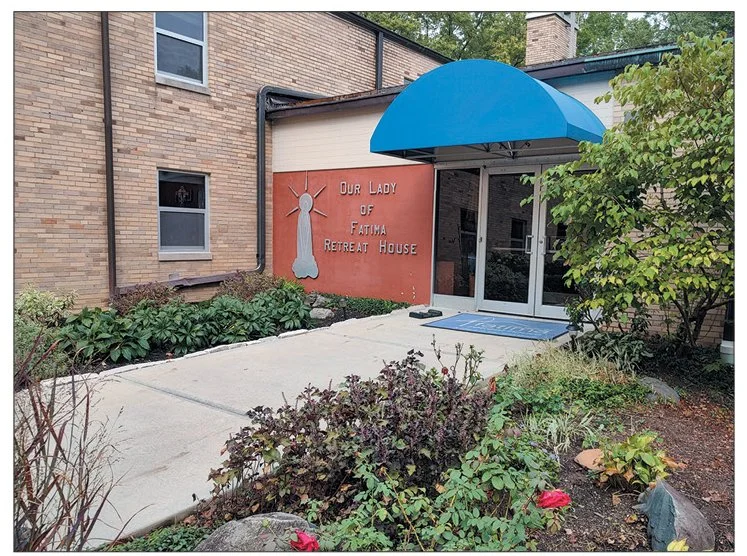


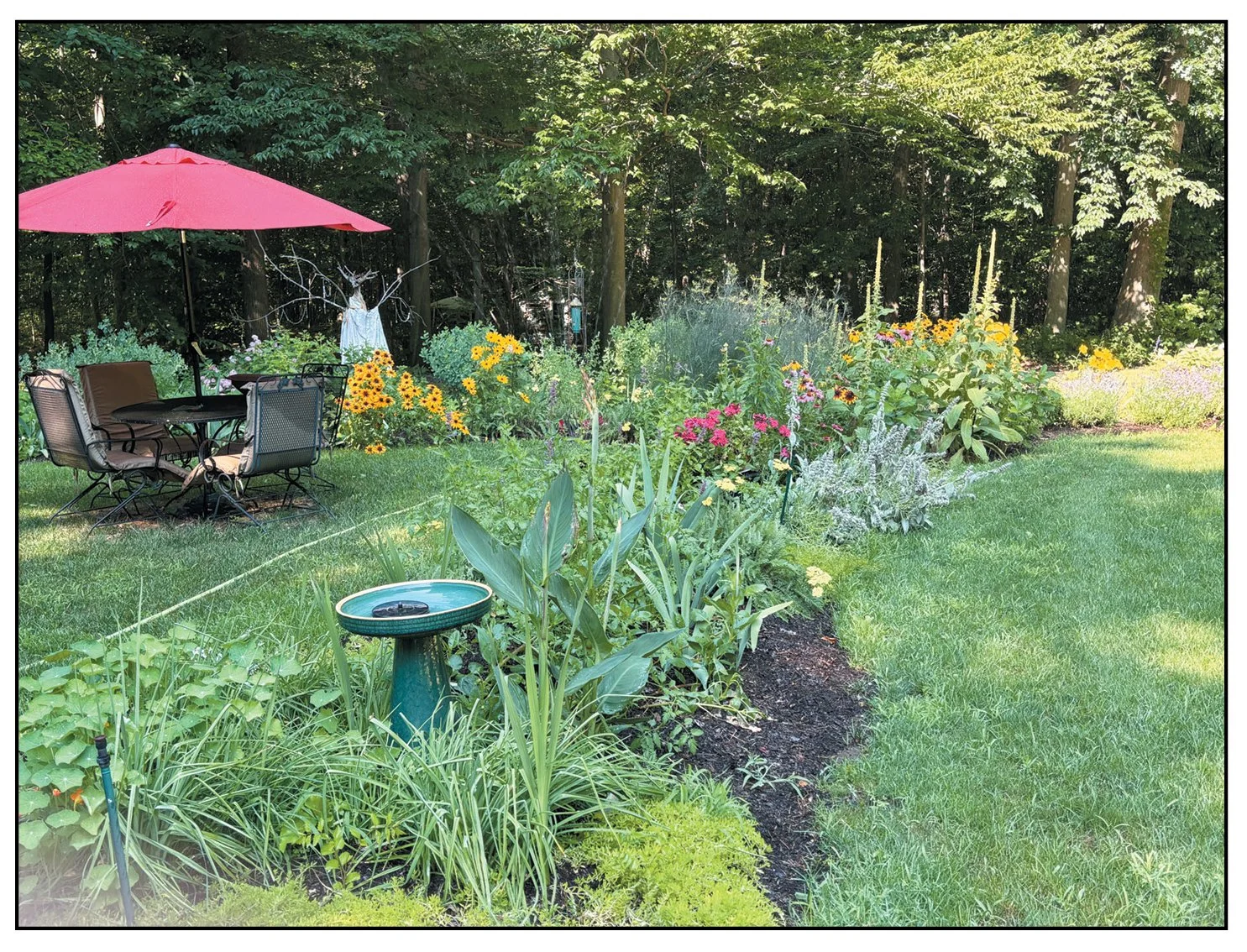


























As far as the eye can see, there are acres and acres of a great nature preserve. Allow yourself to be consumed by it for a moment. Let it envelope you. Let it return you back to the beginning. Maple trees stretch far overhead--taller than any worry could ever be. Streams meander through the land—a burst of movement happening in this otherwise still place. There is a quiet, here, but a quiet that causes introspection. A quiet that feels intentional. A quiet that feels connected to something bigger if only one is willing to stop and listen.