
This column is a look at two brave souls who took a leap of faith to open their own business. What follows is a personal profile of Chelsea and Mike Carosello who are following their dreams and thriving despite the odds—and Covid.
Unschooling — Child-Led-Learning
Unschooling is a term coined in the 1970s by John Holt whose books Learning All the Time and Teach Your Own (among others), have empowered parents for decades to homeschool their children in a liberating way. Rethinking the definition of education, schooling “outside the box,” is as unique as every parent and child. It is apparent to those who observe young children that learning does indeed happen in every moment, thus children are naturally their own best teachers. Unschoolers see the community as their school.
Random Acts of Kindness: The Things Women Still Can’t Talk About And Why We Sometimes Have to Invite Ourselves In
I am fortunate to live on a street that’s close to downtown, where I can sit on my front porch and, for three seasons of the year, anyway, I can hail all my neighbors as they pass by. I can get to know their names and their dogs’ names, too. I see the same pairs of women walking or running together and talking.
Book Review: Embracing Rhythms of Work and Rest
Regardless of religious beliefs, readers will likely recognize the word sabbath and what it stands for. In Ruth Haley Barton’s book Embracing Rhythms of Work and Rest: From Sabbath to Sabbatical and Back Again, she addresses the sabbath and its significance. While her text comes from a place of religious belonging, the book can be just as easily applied to the lives of those unconnected to any particular religion or belief system.
Ann Arbor Healers: Staunch Stress, Seal Serenity

By Marie Noelle Duquette
I hurt my leg in mid-September while running with my dog, Nala. The air was cool, autumn-fresh, and Nala and I were enjoying our evening walk. I felt so strong that I broke into a light jog, without stretching. I am 61 and not a runner.
About 50 yards into the run, I felt a pull behind my left knee. I slowed to a walk, thinking to myself, “There is no way that itty bitty burst of energy caused anything as serious as a sprain or heaven-forbid tear.” Still, my skin behind my knee was hot, the pain was real, and I quasi-limped home.
After wearing a brace on my knee for weeks, icing it daily, stretching it carefully, and getting an ultra-sound to rule out more serious causes, the pain behind my knee persisted. While researching therapies for leg injuries near Ann Arbor, I stumbled upon the Neurofitness Center website. Their website was convincing. I made an appointment to try everything they offered: Neurofeedback, the Salt Room, the Float Tank, and Cryotherapy.
My partner and I first went to Neurofitness to experience a Neurofeedback session and the Salt Room. Jack Lark greeted us upon arrival. Knowledgeable and engaging, he would help us navigate the different therapeutic experiences. Neurofeedback, he explained, was a therapy in which he would attach a couple of electrodes to my ear lobes and one at my temple. Next, I would put on a comfortable pair of headphones—the kind with soft padding that cover one’s entire ears. Then I would sit in a comfy chair and listen to a recording of meditative music infused with nature sounds such as birdsong, steady rain, and wind rustling through trees. The recording was enchanting. It was easy to close my eyes and give my mind over to what I was hearing. Periodically, the music would skip, like a less-annoying skip of a record that self-corrects and lasts only a second. The ambient recording draws one’s auditory focus—the skips are triggered anytime one’s mind wanders beyond the music and birdsong. At first, the skips happened frequently. Soon, my focus on the audio became steadier and the skips were less frequent. The Neurofeedback session was like yearning to hear a beloved, melodic voice that is almost beyond one’s hearing. I stilled my body and leaned into the strings, rain sticks, flute, waterfall, and windchimes. By the time the session ended, I was ready to book a weekly session, my relaxation was so complete. Lark told me that Neurofeedback was a form of practicing mindfulness in a way that required less effort and more receptivity. As one who struggles with keeping my attention in the here and now, it succeeded beyond my hopes.

If the Neurofeedback session was like yearning to hear a beloved, melodic voice the Salt Room was akin to sitting on a beach, inhaling fresh air. The Salt Room at Neurofitness is lit by infrared lights and is big enough for two people to sit in comfortably. The Himalayan salt is so deep on the floor that it looks like a remote beach of fine sand you can dig your toes into. Salt bricks are laid into the walls and a PVC pipe in the corner emits a burst of fine salt spray into the room every eleven seconds. Upon entering, I removed my shoes, pushed back in one of the zero-gravity chairs, and closed my eyes to focus on my breathing. I quickly fell into a meditative state and the half-hour session slipped away unnoticed.
The next day we returned to float. We had both enjoyed float tanks in the past and were familiar with the drill: enter the room, shower, enter the float tank, and either close the lid, if you are in the egg or turn out the lights if you are in the non-covered tank. Music plays if you are in the open tank, or you can float in absolute silence in the egg. In both tanks, you float in darkness that envelops you so completely that you cannot see the walls, the water, or your own wrist in front of your face. The complete lack of visual stimulation enhances one’s sense of touch so that the salt water, which holds you up without effort, feels like a cradle, the warm water giving a sense of being in a womb—a protected space created for your own nourishment and rest. A gentle recorded voice interrupts your reverie when the hour is drawing to an end. After floating, the colors and lights and sounds outside are more vivid and distinct. There is a newness to the world as if your very eyes have been cleansed—your senses reset.

On Monday, I returned to Neurofitness for the scariest offering: Cryotherapy: standing, with minimal protective outerwear, in a sub-zero chamber for three minutes. Cryotherapy has been used for decades in Europe and Asia to promote athletic recovery. From the Neurofitness website, I read, “The use of liquid nitrogen in a safe and controlled environment provides a gentle but significant amount of cold exposure. The extreme cold stimulates the skin’s temperature receptors to activate the nervous, immune, and endocrine systems, leading to a reduction in inflammation and pain (hey athletes—this means quicker recovery!), elevating mood, and increasing energy. Clients often tell us they feel relief of symptoms including muscle soreness, arthritis, chronic pain, and inflammation.”
Lark, our guide at Neurofitness, was particularly helpful for my Cryotherapy session. He explained that the sub-zero temperatures would not feel quite as cold as I might expect, because it was a dry cold, not the wet cold that we know from Michigan winters. The Cryotherapy chamber looks a bit like a blue hexagon-shaped phone booth. The floor of the chamber is adjustable by adding soft, uniform pads that fit perfectly in the chamber’s footprint, so that no matter your height, your head is not enclosed in the chamber. Lark gave me special socks, shoes, gloves, and a robe and excused himself until I was ready. When he returned, he assured me that I was in control. Once in the chamber I could opt to remove the robe and at any time, or I could ask him to let me out. Still, he urged me to embrace the experience and try not to focus on how cold I felt. “That way, you’ll get the most out of doing it,” he said.

Once inside the chamber, I was not brave enough to drop my robe. The cold was not as sharp as I expected, but neither was it as comfortable as the other therapies had been. I endured the entire three minutes, trying to focus on the benefits. I emerged feeling like a victor. Immediately after Cryotherapy, I felt hungry, and then tired. As the evening wore on, and the new day dawned, I noticed that the pain in my leg was considerably subdued. I could still feel a dull ache where the sharp pain had been, but that continued to lessen in the days ahead. It has been two weeks since I braved the sub-zero Cryochamber and my leg has yet to hurt at the level of pain I endured before the experience. In fact, I’ve not worn my knee brace once since the big freeze. I’m going back for another session today, to continue the full healing of my leg, and to see if Cryotherapy will help heal two toes that I bruised badly yesterday when I wrapped them around a square, wooden chair leg.
Neurofitness is an extremely clean facility. Lark is a helpful guide whose sense of optimism and wonder is infectious. The entire environment underscores that restorative healing and stress-relief is more than a nice occasional treat. It is something we need as much as medications, fresh food, and deep sleep. The therapies offered at Neurofitness act like boosters that enhance other healing practices. They helped me find a place beyond the trauma of life in which restoration of my body, mind, and spirit, is both inviting and efficient.
In my first visit, I commented to Lark that I was pleased that Health Savings Account and Flexible Savings Account dollars offered by many insurance companies could be used for all their therapies. He said, “Of course! We are a health care center.” Indeed.
Neurofitness is located at 6360 Jackson Road Suite A in Ann Arbor. To learn more or make an appointment, call (734) 206-2012 or visit them online at https://neurofitcenter.com.
Related Content:
Featured



A Sprinkle of Laughter, A Smattering of Grace – Applying Laughter in Challenging Situations
There’s an old school pop song where the lyrics say, “The men all pause when I walk into a room.” After a certain age, those lyrics take on a whole new meaning. What I hear now is MEN-O-PAUSE. I’ve gotten Men-o-pause when I walk into a room. And that’s when I began to take a non-traditional approach to trudging through the trenches of menopause—by sprinkling it with humor.
Out of My Comfort Zone: Discomfort Zone
This assignment stumped me at first. To begin with, dear Crazy Wisdom, which self are you hoping to hear from? Me as singer, music facilitator, filmmaker, spiritual practitioner, business owner, or merely human being?
Green Living: Now is a Great Time to Plan Your Rain Garden

By Serena Dobson
Rain is probably far from your mind this winter. It’s more likely you’re stressing over snow—the mornings you’ll spend plowing your driveway and the salt you’ll inevitably be tracking into the house. But even though drizzly spring days seem a world away, the winter months are the perfect time to start thinking about planting a rain garden.
Stormwater runoff is a major issue facing the health of waterways all over the world. On impervious surfaces like paved roads, sidewalks, and roofs, rainfall flows unimpeded, collecting pollutants like pesticides and animal waste as well as litter like cigarette butts and plastic. This contaminated water makes its way into storm drains, where it enters our sewer system, or might even flow directly into rivers and stream, where it threatens flora and fauna.
Rain gardens were developed as a way to mitigate this problem. Consisting of vegetation planted within a shallow depression in the ground, they collect, absorb, and filter water that would otherwise run freely through urban areas. Washtenaw County residents are lucky to have a robust rain garden program, run through Washtenaw County Water Resources. The County offers a Master Rain Gardener Course that gives participants the opportunity to gain all the knowledge needed to construct and plant their own rain garden. The prerecorded course and necessary materials are available on their website, along with other helpful resources.
By studying up over the winter and making important decisions about your garden ahead of time—such as location, design, and what plants to use—you’ll feel much more prepared when it comes time to plant. Most sources recommend planting your rain garden at least 15 feet away from any buildings to keep water from pooling around and damaging structural foundations. Utilities like wells and septic tanks will need to be considered, too. As far as location goes, one option is to stake out an area near roof gutters or downspouts but still distant enough from your home that there’s no risk of damage while another is to position the garden further down your yard so that it collects runoff from the lawn as well as from the downspouts. Wherever you place it, your rain garden will need to be downhill from the channel that will be directing the water and situated on flat or slightly sloped ground.

The Master Rain Gardener Handbook suggests making your rain garden be “four to six inches deep and 20–30% the size of the impervious surfaces.” Though you won’t need to start digging until the spring, it’s good to figure out and troubleshoot these measurements ahead of time. Once you know how big your garden should be, you can experiment with different shapes—like a crescent, teardrop, or other organic form—settling on one that complements the existing features of your yard. Don’t be afraid to sketch it out! Putting your ideas on paper is the best way to visualize your garden-to-be.
What native Michigan plants you choose should be dependent on how much sun your garden will be getting. Purple coneflower is perfect for full sun, while wild geranium prefers things to be partly sunny. Plants like fox sedge and black-eyed Susan can thrive in either situation. You might also keep in mind the kinds of pollinators you most want to attract. A garden filled with bee balm and rose mallow would be hummingbird heaven!
Leslie Science & Nature Center (LSNC) will be incorporating a rain garden into the design of their our developing Nature Playscape with their upcoming water play installation in 2023. Using pumps along the perimeter of the water play area, visitors will be able to manipulate a flow of water that will run downhill, feeding a rain garden populated with native flowers, grasses, and shrubs. They will design pumps for ease of use, ensuring that visitors of varying physical abilities can enjoy the feature equally. The rain garden will be staggered down the hill and fed underground by runoff from the water play area. Our water feature will provide an opportunity to educate visitors about informed water usage and the role that rain gardens can play in a healthy urban ecosystem.
By using mindful landscaping techniques like rain gardens, the center can positively contribute to the health and beauty of the local watershed. Rachel Carson wrote in Silent Spring that water must be thought of “in terms of the chains of life it supports.” As you begin to plan your rain garden, consider how this choice will impact all the life around you—your family and neighbors, your pets, the songbirds nesting in your backyard, and the trees in your favorite park. From the smallest insect to the tallest sycamore, we all depend on clean water to thrive, and we as humans have the power to make a beneficial and lasting contribution to our environment.
List of resources:
Rain Gardens: Sustainable Landscaping for a Beautiful Yard and a Healthy World by Lynn M. Steiner and Robert W. Domm
Creating Rain Gardens: Capturing the Rain for Your Own Water-Efficient Garden by Cleo Woelfle-Erskine and Apryl Uncapher
Let’s Build a Rain Garden by Sally Wenczel (children’s book)
Water Resources Washtenaw County: Rain Gardens: washtenaw.org/647/Rain-Gardens
Water Resources Washtenaw County: Master Rain Gardener Class washtenaw.org/675/Master-Rain-Gardener-Class
Huron River Watershed Council: Rain Gardens in Our Watershed: hrwc.org/rain-gardens-in-our-watershed/
Serena Dobson is the Development & Administrative Assistant at the Leslie Science & Nature Center and Ann Arbor Hands-On Museum and holds an MFA in creative writing from the University of Michigan. She loves to hike and birdwatch all over Washtenaw County.
Related Content:
Featured



From Nature to You--Remedies for PMS and PMDD
Every month, I know when it's that time in my menstrual cycle: the time to cue up sad movies and bust out the dark chocolate. There are signs my luteal phase has arrived, and it used to make a grand entrance, but I learned ways to dampen its arrival.
Namaste. Katie, Yoga Column Winter 2023

Dear Katie,
I’ve heard you talk about a “Word of the Year” before in classes and was curious if this is the same as a New Year’s Resolution, and how you use this in your yoga practice. I am hoping to incorporate something similar in 2023 for a little inspiration!
Namaste,
Toni, Ann Arbor
Dear Toni,
I am so glad that you noticed the “Word of the Year!” This is certainly not something exclusive to Verapose, though it is a practice we have incorporated for the majority of our seven years in business. We view our word of the year as more aligned with the word Sankalpa, or intention, then with a resolution.
Rod Stryker in his book The Four Desires, dives deep into this ancient concept of Sankalpa, tracing it back to the Rig Veda, one of the first yogic texts. He draws the distinction of a resolution often being more tied to our desires, and a Salkapa being connected to purpose. For example, I may have a resolution to meditate every day, something I struggle with, and when I chase this desire and fail (I am intentionally using strong language here), I am hard on myself. In 2022, I chose Reflection as my word of the year. This allowed and encouraged me to think of all the ways I am able to slow down, quiet down, and engage in more contemplative practices. Through my Sankalpa, I was able to expand my definition: some days this reflection was meditation, some days it was journaling, a walk in the woods, or other reflective practices.
Sankalpas move us closer to that intention through our resolve, and through our willingness to be creative and purposeful. Word of the Year is a broad Sankalpa, and there are times when we are going to want to sharpen our focus and our resolve; this may or may not be one of those times, depending on your vision for 2023. Much like all Sankalpas, yours isn’t set in stone. My amazing yoga partner Courtney loves a hyphenated word of the year, something like Reflective-Rest-Resolve, or something else fun. Try something out! You’ll know it when you have the right word choice.
Namaste Katie,
I am sitting more than usual, and my legs are tight. I feel like I need something that I can do for a few minutes between meetings. I would love to take props, but I am moving around a bit much between offices to have props everywhere. Any recommendations?
Beth, Manchester
Dear Beth,
Yes, the nature of our occupations and our day to day lives has changed the ways in which we engage with our bodies. Many of us have been working more hours in challenging spaces, and many converting spaces that we used for rest into work areas. This has caused cumulative stress on that movement, and release can be really beneficial. There are all sorts of seated releases for the body to engage in during virtual meetings. I highly recommend a few seated cat-cows each day to move the spine and keep us thinking about alignment.
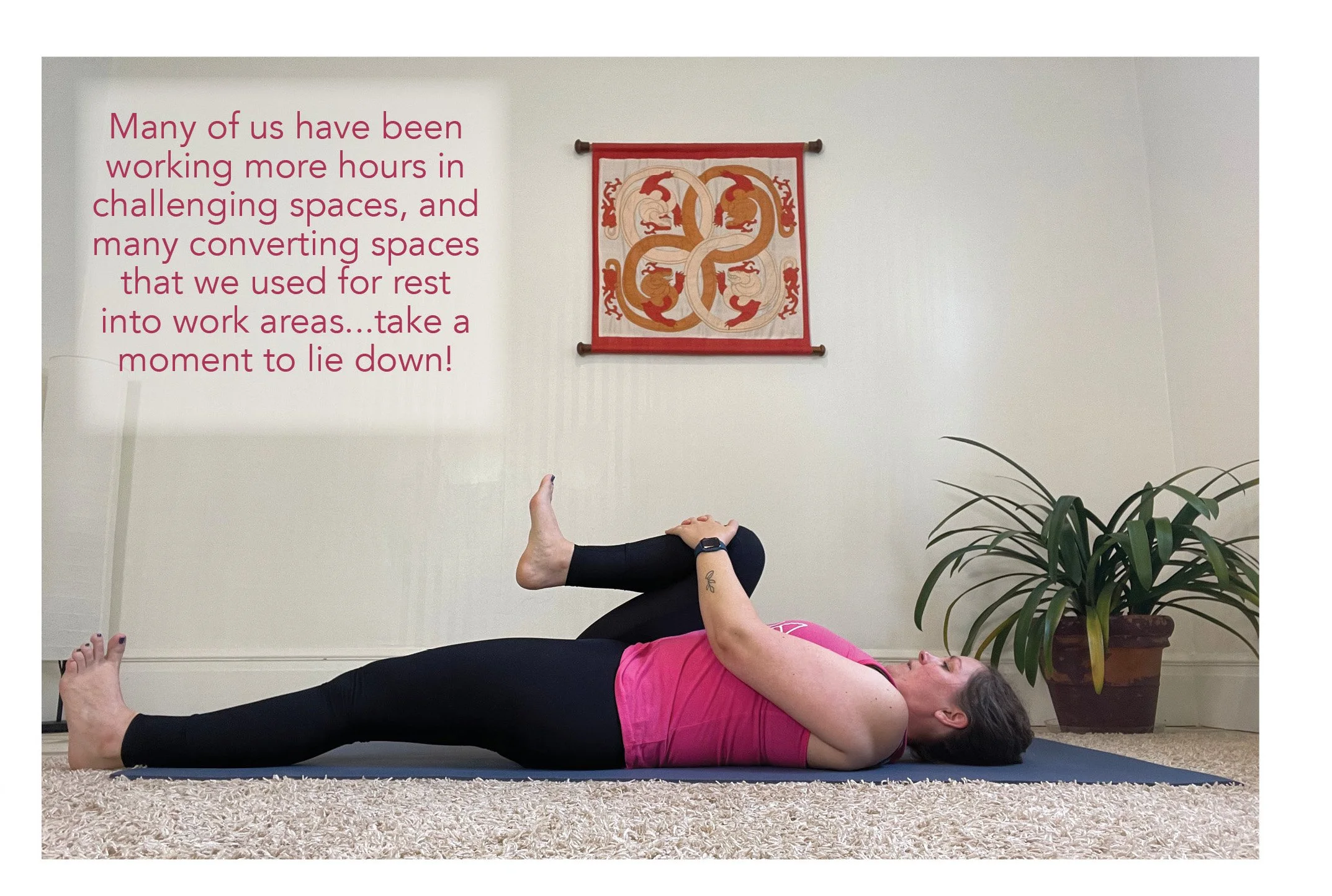
For in-between spaces, take a moment to lie down! I know, some of us are looking at the ground/floor with a healthy dose of skepticism. Let’s give it a go. Releasing the back body into the floor is powerful. Take a few breaths here. Either with your feet planted near the glutes, or legs extended, draw one knee in toward the body. In this Apanasana, there are many choices. We’ve already checked in on the variations of the lower leg. We can also vary the degree to which the leg moves in toward the body. In the photo I have shared,my arms have some bend and are guiding my leg in the direction of the torso rather than pulling. We should strive for that Aparigraha, or non-clenching, in our postures. Take a few breaths in the space and explore where there are points of release, places to surrender. Perhaps there are spaces in the hips, in the shoulders, in the low back. When you are ready, switch sides. Allow yourself to return to a side that needs the attention or to stay longer in one space if needed. Enjoy the time to soften and relax.
Namaste Katie,
I have, over the last few years, developed a regular meditation practice. Of late, my mind has been very active and harder and harder to wrangle in my morning sessions. I continue to sit, yet I am becoming more and more frustrated. I know that moving into the space with a sense of frustration is likely not helping, so I am reaching out for some support!
Prithi, Ann Arbor
Dear Prithi,
Yes, moving from a place of frustration can cause us additional frustration, and lead us down that vicious cycle. Michael Singer, in The Untethered Soul talks about our Inner Roommate as the voice in our heads that is constantly narrating our experiences and provides us with a sense of control. The first step for any of us is noticing the movement and motions of our Inner Roommate, as you have begun to do. This awareness assists us with noticing patterns, and those likely distraction points for the active mind. Finding solace in our active minds, and that awareness, can be part of the process, and as you have been beautifully aware, a challenging one!
The Yoga Sutras recommend that we stick with the form of meditation that is working for us, noting that consistency is a big part of developing those quiet spaces. We also allow ourselves the space to notice when something isn’t clicking. When our Inner Roommate is taking over and dominating the time that we have set aside for our practice, we may ask ourselves if it is time to switch things up. This may be a time to try out some mantra meditation (which can be external or internal). You may need a guided meditation to draw your focus: this may also be the space for a walking meditation to engage the body and the mind together. Doing so, in a kind and caring way, can help to soften your frustrations--and if one of these clicks with you, stick with it for a while. Have this be your consistent and kind space for as long as you need.
Related content:
Featured


Sustainable Health: The Seven Steps Blueprint for Optimal Health
Over the 29 years of studying and practicing nutrition, I have developed a seven-step blueprint for optimal health. My expectation is that patients will start to experience positive physical changes within a few weeks when following this regimen. As an example, I just helped a patient reverse her terrible heartburn 100% and get off the prescription drugs in four months.
Feeding the American Dream
Almost everyone has eaten in an American style diner where burgers, fries, and homemade pies are the best sellers. A place where everyone knows one another, coffee breakfasts for groups of friends start many people’s mornings, and dinner take-outs end the workday. In Ann Arbor there is a diner that mixes classic diner fare with a bit of Korean flair. Around 1990 Bell’s Diner started serving Korean food as an addition to the already traditional all-American favorites.
Weekend Getaways: Holland Highlights
The vibrant red and warm golden foliage of autumn heading west on I-96 was a calming backdrop for a three-hour drive to Holland. Known for its annual tulip festival, the city provides visitors a chance to experience a slower pace year-round. While the greater Holland area offers a variety of activities, central Holland has its share of historical, recreational, and cosmopolitan offerings. Within walking distance of these experiences is Bonnie’s Parsonage 1908 Bed and Breakfast, an accommodation alternative with ties to the area’s Dutch heritage.
Planting the Seeds of Healing and Growth--Living Grateful
Upon stepping into the Living Grateful Behavioral Health Services’ soothingly sun-drenched office, you find yourself met with an array of beautifully assorted plants as if they have been waiting for you. Owner Bill Mure explains, “They create a sense of the peace and calm I feel.” He goes on to say, “I also use them as a metaphor for your healing. I tell my clients ‘In session is where we plant the seed of growth. Out in the world is where the seeds go to be nurtured. When you grow a garden, you have to water it, tend to it, and nurture it. Sometimes we must trim off the pieces that no longer serve us, so we can facilitate more growth.”
Astrologically Speaking--Welcome Generation Aquarius!
On the morning of Thursday, March 23, 2023, the very first babies will be born with Pluto in the sign of Aquarius ushering in an astrologically brand-new generation. Pluto will remain in Aquarius until June 11 when it retrogrades back into the previous sign of Capricorn a couple more times before crossing over into Aquarius permanently on November 19, 2024.
Conscious Parenting: Why Teaching Kids About Presence Can Help Them Become More Resilient
The more present we become, the more we increase our capacity for joy. Learning to be present is challenging, irrespective of age. However, integrating mindfulness practices provides youth the tools to better process their feelings.
Fifty Years Since We Last Went to the Moon
Fifty years ago, December 1972, was the last time men walked on the moon. (Yes, it’s only been men. I’ll get back to that later.) Eugene Cernan, Commander of that Apollo 17 mission said then as he prepared to step off the moon for the last time, “… as I take man’s last step from the surface, back home for some time to come—but we believe not too long into the future …”
Great Tastes in Local Food: Winter 2023
Downtown Ann Arbor is home to a diverse landscape of breakfast, brunch, and lunch restaurants. Stray Hen Cafe, located at the corner of Washington and Division, has been a wonderful addition. The prices are moderate, and the portions are large!
Wreck It to Repair It — How Rage Rooms Are Helping People De-Str
“There are all sorts of people out there,” said Rachel Crawford, co-owner of Destruction Depot, “...some people do yoga, some people meditate, and sometimes people just need to break things.”
Are You Sabotaging Your Self-Care?
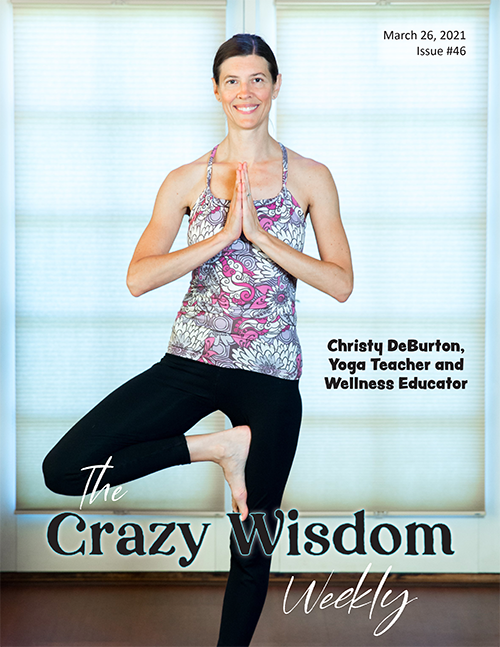
By Christy DeBurton
What comes to mind when you think of the term ‘self-care?’ Many people think self-care involves a lot of time or money. Others believe that self-care is selfish. These ideas are completely false. Simply put, self-care is essential for you to be the best version of yourself. It isn’t about getting weekly massages or taking candle-lit bubble baths (though these can be part of it if you choose). It isn’t about neglecting your responsibilities or ignoring the needs of others. The real essence of self-care is being true to who you are, so you are living the life that you want to live, and not the life other people want you to live. It’s about making choices from a place of love and connection rather than guilt and obligation. But that love has to start with loving yourself first—and not all of us are so good at doing that—so we end up sabotaging our self-care. A while back, I went on my own self-care journey, examining the obstacles that were getting in the way of taking better care of myself. Here are some things I learned along the way.
Give yourself permission to take time for self-care. Let’s face it, no one else will. We all want someone else to say to us, “You’ve been working so hard. You’ve been under a lot of stress. Why don’t you take the day off and just relax?” Most likely, this is never going to happen. Even if you do have someone like this in your life, ultimately you have to be the one who gives yourself permission to take time for self-care. So why do we have such a hard time doing this? Because we’ve been raised in a society that tells us we always need to be more, do more, and have more. Because we’ve been raised in families that pass down conscious and subconscious beliefs that we are not worthy, that we don’t deserve what we really desire, and that we need to take care of other people’s needs before our own. Take a moment to examine this in your own life. Do you feel obligated by certain people to do things that you really don’t want to do? Do you tell yourself you don’t have time for self-care because you just don’t feel like you deserve to take time for yourself? Or are you worried about what other people will think if you do? What kinds of messages are you telling yourself about your worthiness as a human being? Examining those conscious and subconscious beliefs is the first step. Once you’ve done that, try putting into practice either or both of these helpful techniques:
“Who says so?” Any time you catch yourself thinking that you don’t have time to relax or do yoga or some other form of self-care because you have to check off one more thing on your never-ending to-do list, question that ‘voice in your head’ by asking yourself, “Who says so?” I guarantee you will be amazed at what other voices besides your own (maybe it’s the voice of perfection, or guilt, or your mother!) you are listening to. Is listening to those voices in your best interest? What if you listened to your own voice instead? Once you’ve asked yourself this question, or separately on their own, you could ask the following two questions.

“How do I feel right now?” and “What do I need to do to take care of myself?” In my work with clients, I have come to realize that most people are not good at checking in with themselves to see how they’re feeling throughout the day. We can’t take better care of ourselves unless we take the time to contemplate how we’re feeling and what we need. Getting into the habit of asking myself these two questions has made a huge difference in my life, and I am confident it can in yours, too. I encourage you to write these questions on some sticky notes and put them in places where you’ll see them—like on your bathroom mirror, work desk, or car dashboard—throughout the day. Then, every time you see them, take a moment to pause and ask yourself how you’re feeling and what you need to do to take care of yourself. The trick is that you need to pause long enough to really ‘hear’ the answers, and then go do what you need—without apology!
I had to work at it for quite a while to get to the point where I felt comfortable making time for self-care every day, so let me be the first to say it won’t be easy. You’ll most likely get resistance from those close to you who have certain expectations. But those who truly love you and want what is best for you will understand. And those who give you a hard time? You might want to examine why you want people like that in your life.
Because I benefited so greatly from taking my own self-care journey and learning to implement techniques like the ones above, I created a compact but powerful online course, Stop Sabotaging Your Self-Care, to help others who are ready to make self-care a priority. In this course I guide you on a journey of self-discovery to examine the obstacles that stand in the way of you taking better care of yourself and teach you tools like the ones above to help you cultivate greater awareness around your self-care needs. I’ve included thought-provoking exercises, journal prompts, weekly meditation and yoga practices, and more. You can find out more about this course at yogaroomannarbor.com/online-courses-self-care.
Finally, because I found it helpful to have some supportive people tell me that I did, in fact, deserve to make time for my own self-care, let me pass that support on to you. The world needs your gifts. But you will only be able to shine if you take good care of yourself first. It doesn’t have to be anything elaborate: even taking a 15 minute walk every day can make a world of difference. I promise if you do, you will feel so much better and those around you will also receive the benefits of your new-found sense of well-being, too. You absolutely deserve it, so give yourself some time for self-care today.
Christy DeBurton is a Holistic Yoga and Wellness Educator with 25 years of experience. She helps people feel better inside and out through yoga, meditation, wellness retreats, online courses, and more. She can be reached at info@christydeburton.com.
Related Content:
Featured



















































































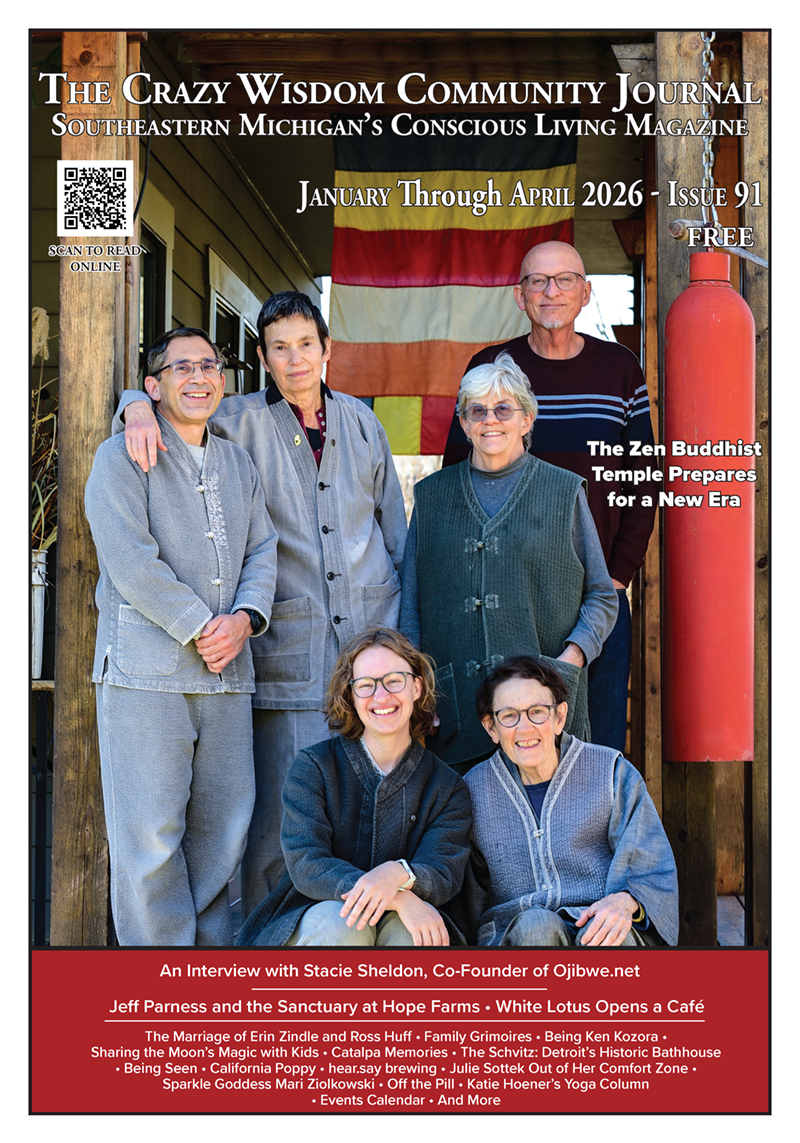
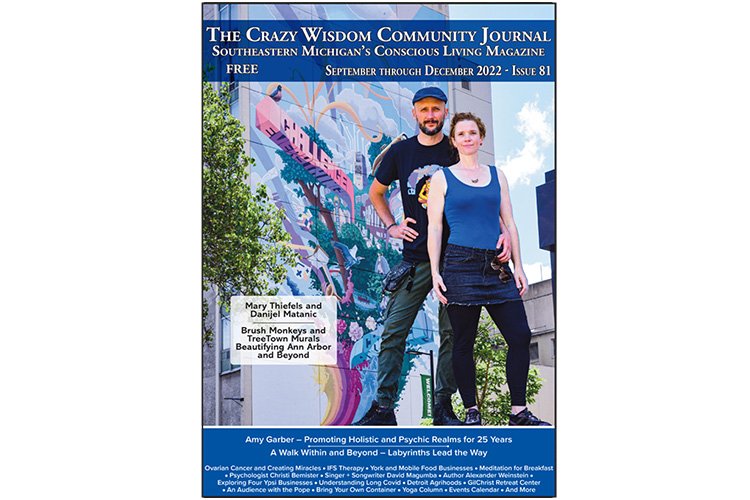
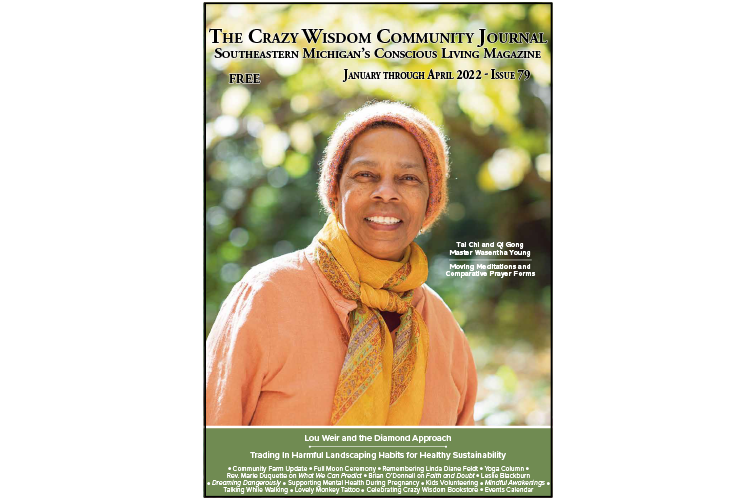
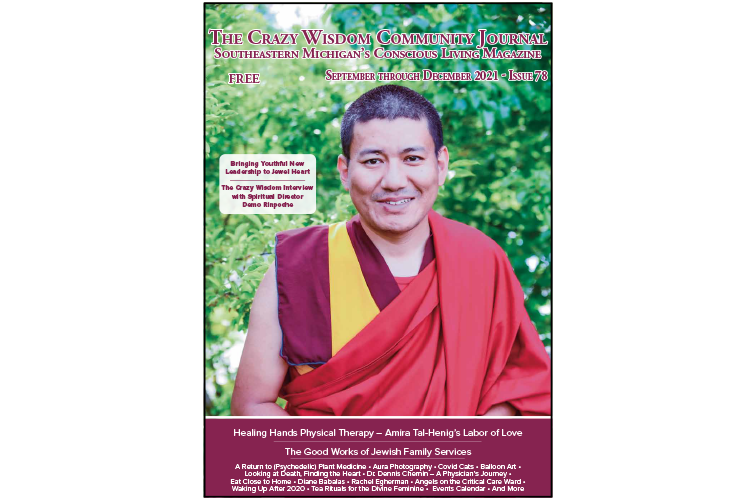

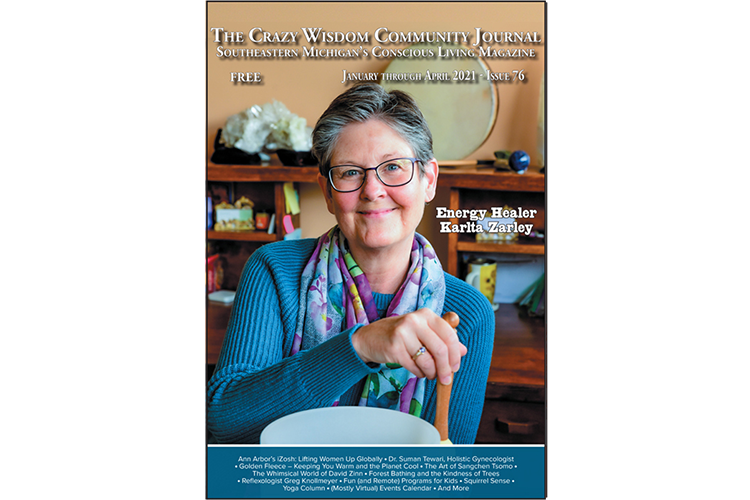

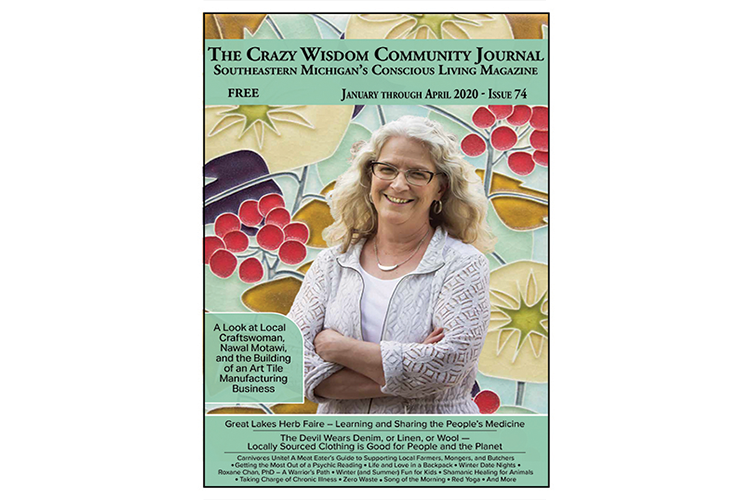
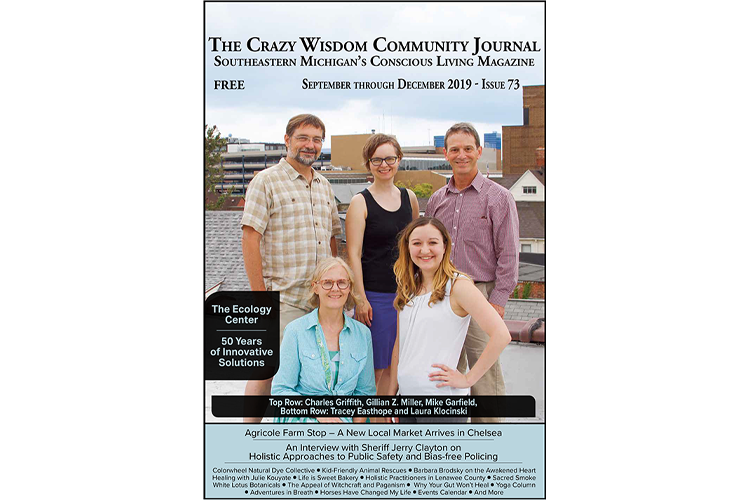
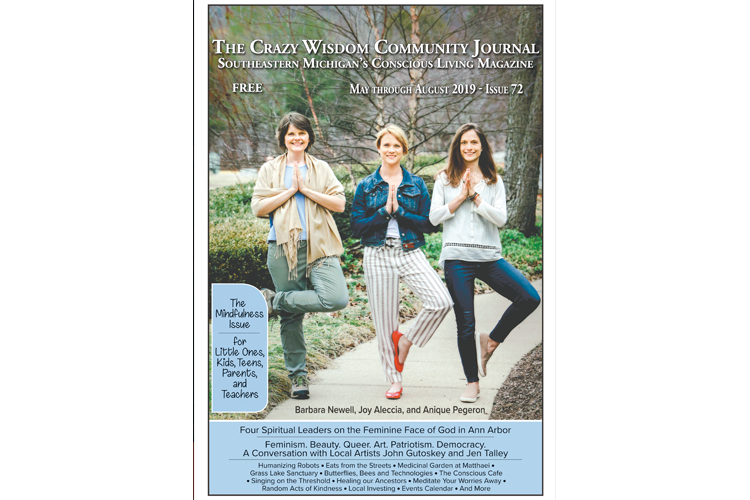




















Discover Ann Arbor native Nicole Leffler's inspiring journey from retail and cannabis to founding ALCHEMY Holistic Collective in Chelsea, MI. Explore IASIS Micro Current Neurofeedback for anxiety, PTSD, and nervous system reset, plus Scar Release Therapy for postpartum and surgical scars, intuitive business consulting via Dharma Hive, and holistic wellness offerings.