
By Karen Quinn
Have you ever dreamt of purchasing your milk directly from a farmer you knew and trusted? How about buying from a farmer that is taking the best care of their cows? How would you like to go to the farm store and actually see the herd happily grazing on nutritious, fresh grass? You might think that is an unrealistic dream in our world of factory farms and large dairy conglomerates, but what if I told you that you could get milk from a local farm that delivers on that dream?
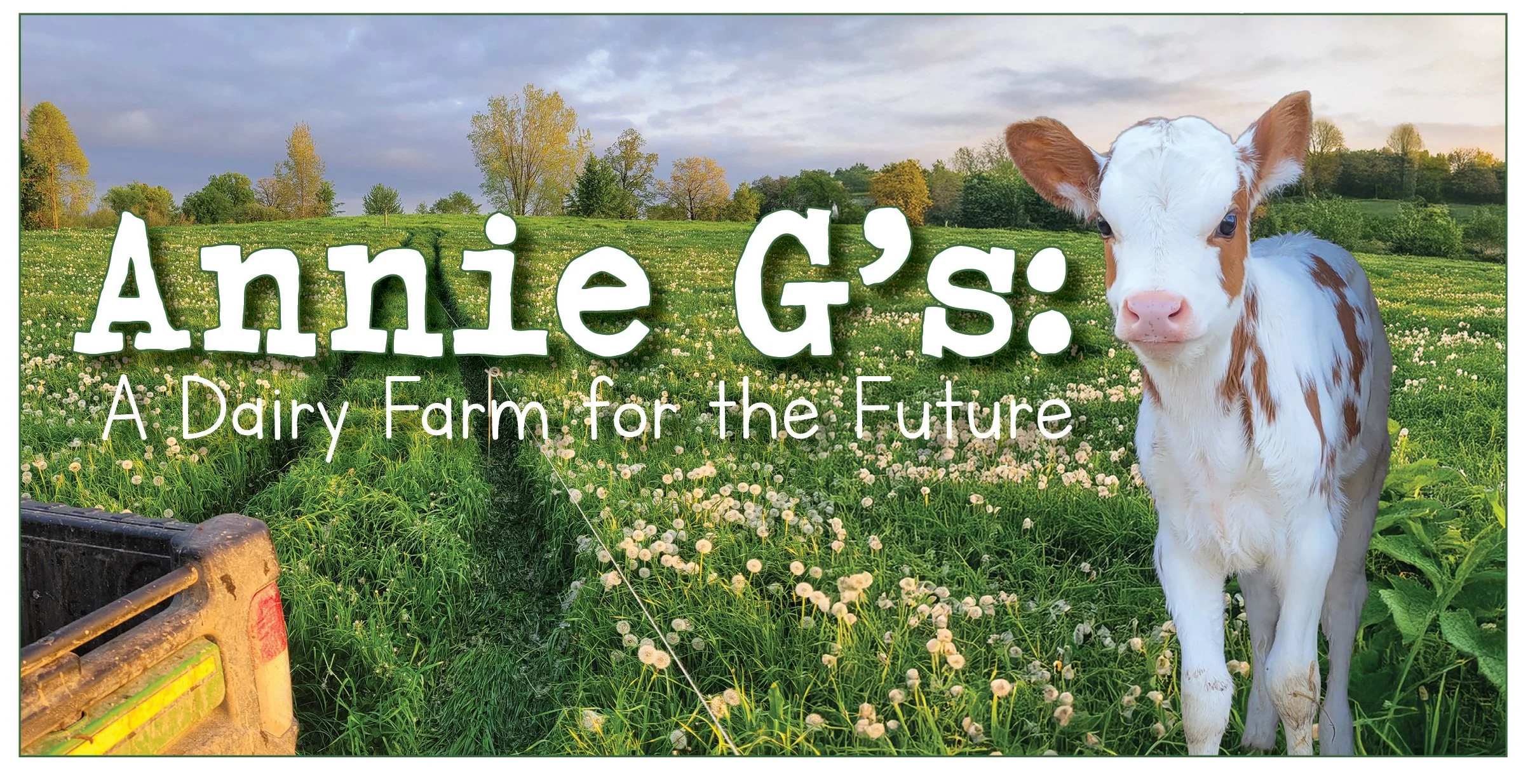
Let me introduce you to Annie G’s, a small herd dairy cow farm run by Kat and her husband David Mageean. This dynamic duo, along with their two young children, Annie and Angus, whom the Dairy is named after, have a dream of their own to share. Their dream is to make the “100 cow dairy farm” viable again and they are working to revolutionize the dairy industry to help encourage others to do the same.
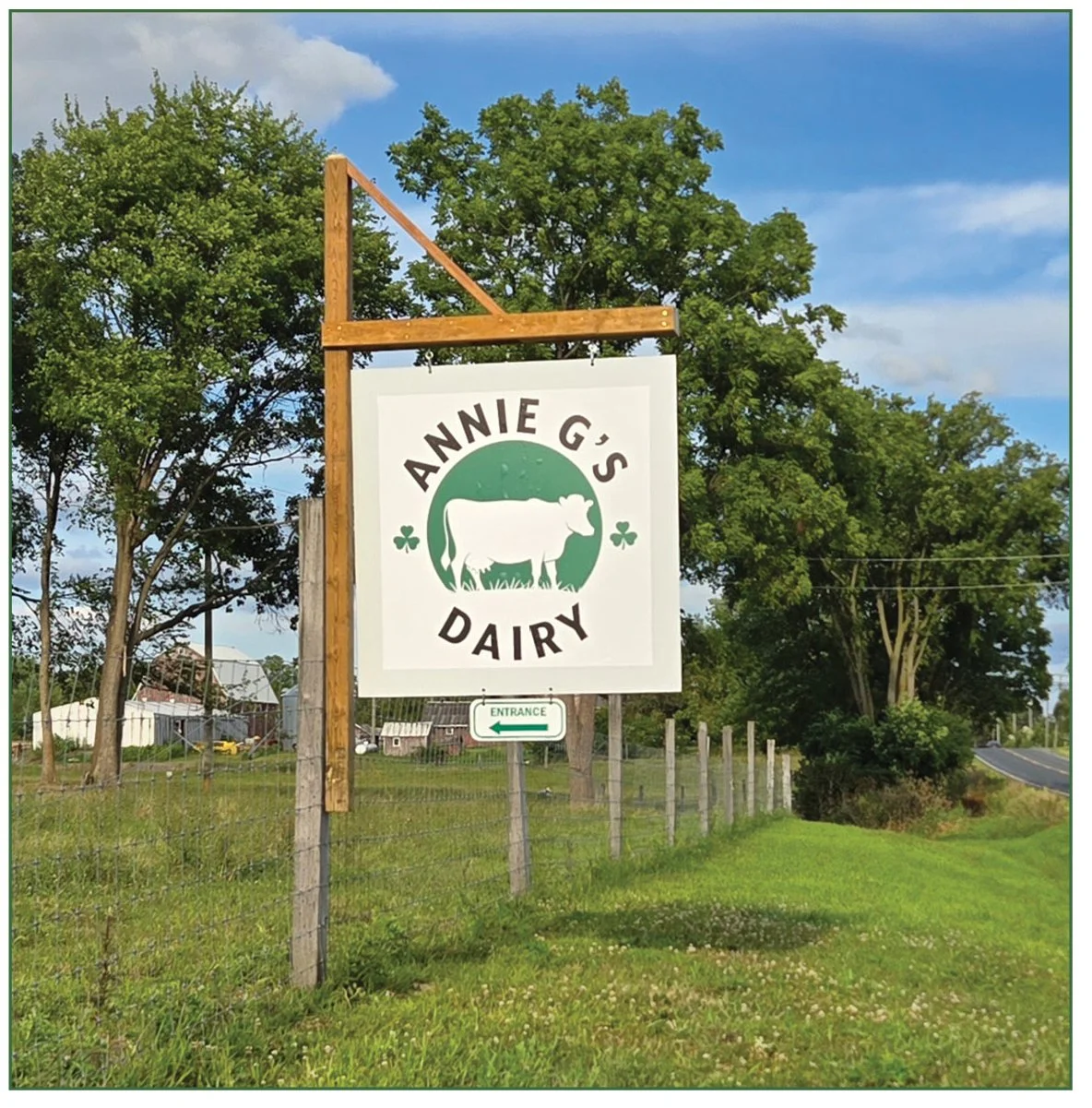
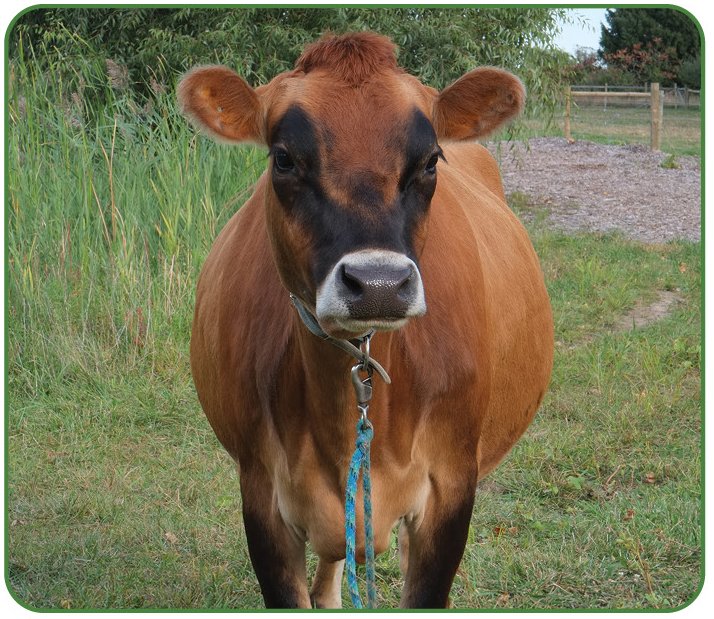
Back in 2017, the couple purchased the dairy farm Kat grew up on from her parents. For the last nine years they’ve been growing the herd from the original 45 Holstiens to the current head count of 75 with plans to reach 100 in the next few years. Instead of buying cows to add to the herd, they did it the hard way—through a breeding program, using the “Pro-Cross” system. They bred their original herd of Holstiens with Jersey, Norwegian Red, Brown Swiss, and Ayrshire breeds. They decided to take this route for a few reasons.
First, the herd they purchased from Kat’s parents was a Johne’s Negative Closed Herd. If you’ve never heard these terms before, let me shine some light on why this is such an wonderful gift. A closed herd means that they have been kept free from interaction with other animals and test negative for contagious zoonotic diseases. Due to this safety practice, Annie G’s cattle are Johne’s free. Johne’s (pronounced “yo-knees”) is a highly contagious disease that affects the small intestine and can be found in all hoofed animals (cattle, sheep, goats, and other ruminants). It’s caused by a resistant species of bacteria (mycobacterium avium subspecies paratuberculosis) that belongs to the same family as tuberculosis and leprosy and is endemic worldwide. It typically causes a chronic form of inflammatory bowel disease that leads to progressive weight loss, debilitation, and eventually death.
Second, through the selective breeding practices of the pro-cross system, they have been able to control a lot of the genetics going into the herd through artificial insemination. David, an Irish native, is an Artificial Insemination Technician and was a trouble shooter for the entire breeding industry in Europe. He applied his extensive skill set into choosing the best breeding stock for their farm. He took great care to look at the feet, legs, utter composition, teat placement, depths of ribs, and most notably for A2 genetics.
You may have heard the terms A1 and A2 in regard to milk as it is becoming a hot topic in certain circles. Here is a very quick overview of the genetics in question, and why you should care. A2/A2 cows produce only the A2 beta-casein protein. Most mammals make A2, but a mutation in some dairy cows led to the A1 protein present in many common breeds. Some people struggle with digesting A1 milk mistaking it for lactose intolerance. The difference is just one amino acid affecting digestion. This genetic crossing, in addition to their robust feeding regimens, has made Annie G’s herd “bullet proof” in terms of health and productivity.
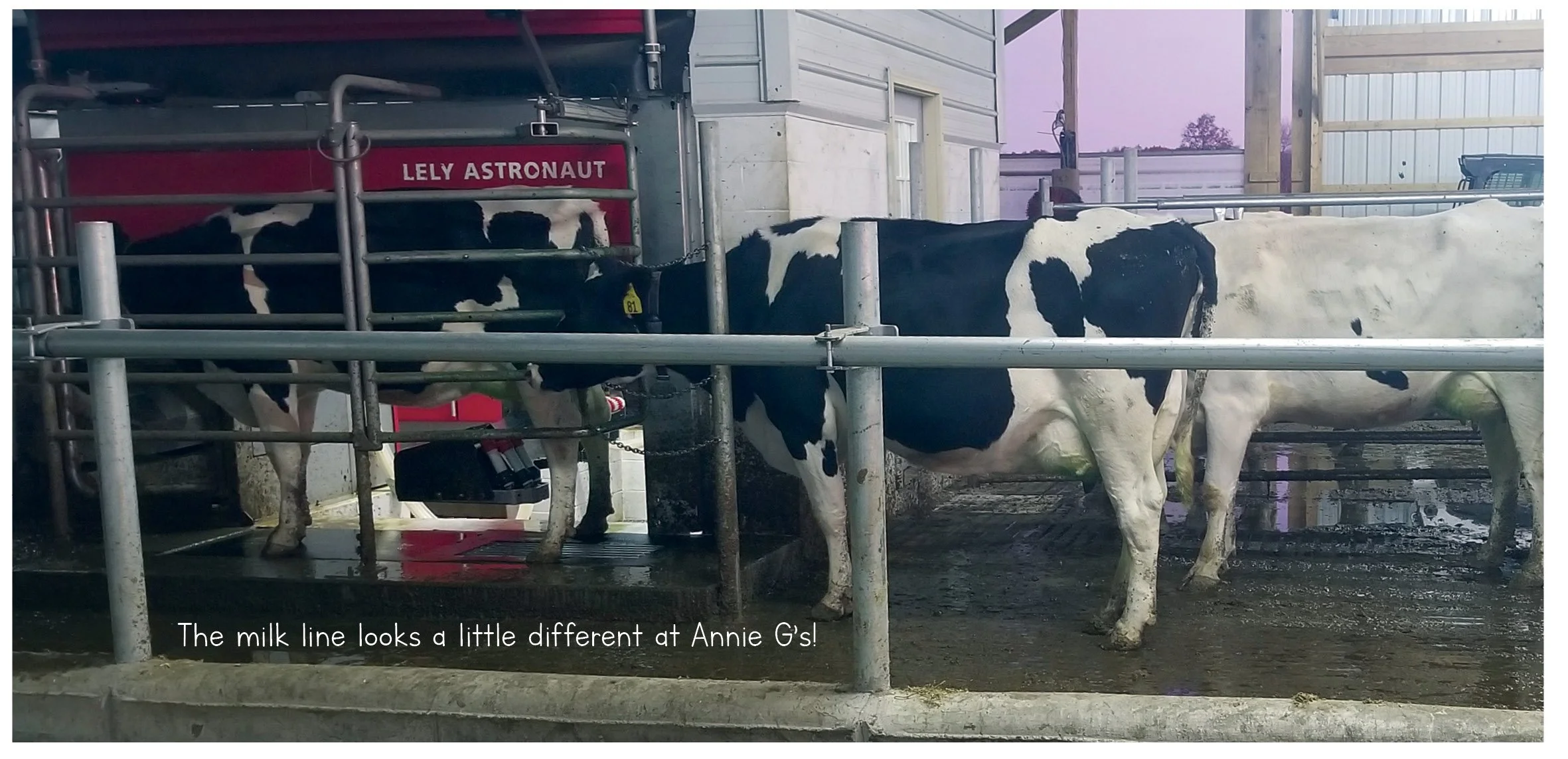
Another remarkable thing about this dairy is they run a fully automated farm including a robotic milking parlor and a computer controlled, gated pasture system. There is even a barn sweeper that looks like a gigantic Roomba that keeps the aisle clean of any foreign objects (such as mud clumps, bird poo, and other things that naturally make their way into the barn) and turns the hay that is along the aisle edge keeping the feed fresh, protecting it from becoming moldy or stale. This is especially helpful in the winter, when the cows are primarily on hay. Kat followed the model created by MSU of the fully automated dairy system called the Pasture Dairy Center that was at the Kellogg Biology System from 2009 to 2024.
This is a truly amazing system. Each cow is fitted with a special collar containing a chip that identifies the cow as well as any information the milking robot needs to know about them such as their medical history, how often they should be milked based on their individual production levels, as well as teat tracking (under productive, over productive, mastitis). The chip also contains a tracker that records the last time the cow was milked and when it is appropriate for the cow to be milked again based on its personal production.

When the cow is ready to be milked, it will approach the machine located in the barn and stand in the milking parlor. The robot reads the collar, and if it is time for the cow to be milked, it will close a set of gates at the front and back of the parlor space and run through the milking sequence of cleaning the udders, milking, and then sanitizing the teats when the process is complete. If it isn’t time for the cow to be milked it will open the gate for them to walk out.
The system is self-training. All it takes is once, maybe twice, through the robot and the cows gladly interact with it. This is because whenever the cow enters the parlor, and it’s time to be milked, a small bit of organic sweet grain is dispensed into a tray for them to snack on, as well as any supplements or medications that particular cow may need. This automated system offers valuable information to the farmer as well. Oftentimes a cow enters the milker just to see if it can get another treat, even if it’s not time to be milked. Other times they are just following their friend around. But sometimes when a cow goes through the milker over and over it can be a sign of distress. Excessive, or out of character behavior will flag that cow in the computer system. This, in turn, sends an alert to the farmer on their smartphone, helping them to catch illnesses or issues much faster.
Many people are concerned that going “hands off” with the cows is a bad thing. However, the milking station gives the cows their sovereignty to be milked when they know they need to be milked. The cows can come and go from the pasture into the barn to be milked based on their own biological clock and not on a human schedule. Also, robots never have a bad day.” Even the most caring, loving farmer in the world can have a bad day and even if they never take it out on their animals, the animals know when we are upset and that, in turn, upsets them. Cows are very sensitive, gentle creatures. People should keep in mind that cows are prey animals and can sense when things are of, which can put them on edge. Kat’s cows are always calm, interested in humans, and just plain happy to see her. The relaxed nature that this system fosters for the cows is obvious when you walk into the barn, and all those sweet eyes look up with content curiosity.
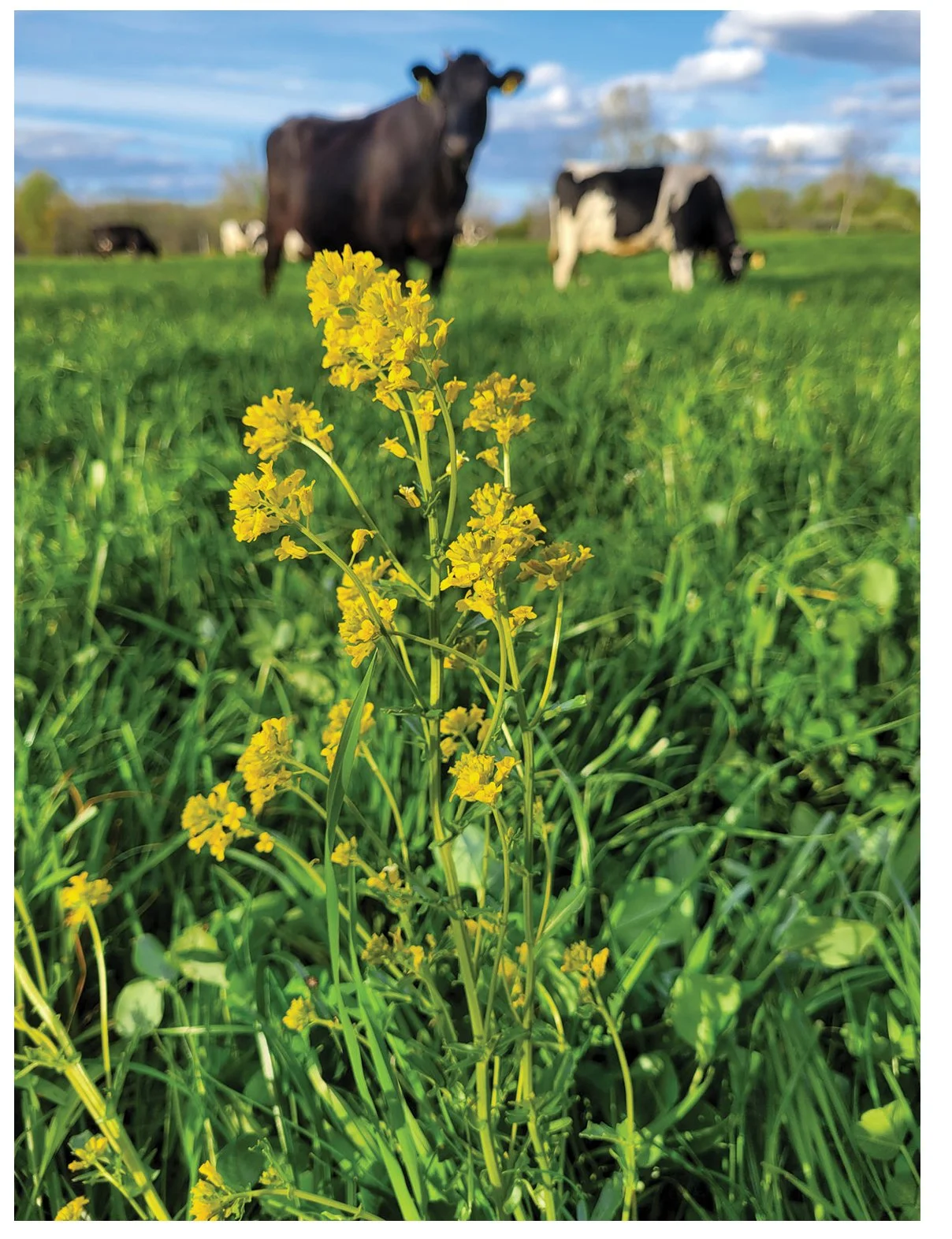
But the coolness factor doesn’t end there! Not only do the cows have the ability to be milked whenever they need to be by a gentle robot in a barn with multiple water troughs, sand beds to rest on, automatic grooming brushes, and a hay Roomba, they also have access to 100 acres of organic pastures, seeded with orchard grass, rye grass, Italian rye grass, festulolium, red and white clovers, and fenugreek. A good diversity in pasture offers the herd more balanced nutrition.
The orchard, rye and festulolium grasses are all high in protein, helping the cows to maintain good weight and milk production, while the diverse plant offerings help maintain a strong pasture. Orchard grass is very drought resistant, so it guarantees lush pasture even during the dry season where rye grasses produce well during the cold and damp seasons. Festulolium, a hybrid of rye and meadow grass, is a cold weather grass, keeping the pasture going much later in the season. It is also highly disease resistant, adding another layer of protection to the pastures. Not only does clover offer high-protein and dense nutrition, but it also helps to fix the soil in the pastures by adding nitrogen which helps to eliminate the need for synthetic fertilizers.
Finally, fenugreek is a legume that is added to the pasture to help boost lactation in the cows, as well as aid their digestion, and cut down on the amount of methane emissions that the cows produce. In human terms, it helps balance their gut health, so they aren’t as gassy. Depending on the time of day, a programmed robotic arm will open different areas of pastures to the cows, closing off the previously used pasture after each cow has come in for milking. This ensures that the grasses themselves aren’t overgrazed, helping to keep the fields lush and healthy. This pasture rotation, in addition to their seeding practices, puts their pastures into a system called Regenerative Field Farming.
Regenerative is the key to success here, and as a consumer I encourage readers to consider this label with a higher regard than organic. Over the years, “organic” labeling has become less and less nutritious. This is a combination of agricultural application, as well as legal loopholes that larger scale factory farms have found to simply abide by the letter of the law instead of staying true to the original intentions for the term “organic.” Even in good organic practices, in order for farms to be able to keep their organic label, they are forced into a lot of economically and environmentally unfriendly practices. Most glaring is the excessive amount of single use plastic used in the gardens themselves. This not only leeches microplastics into the soil over time, but that plastic ends up in a landfill, further perpetuating the cycle. Additionally, not all organic practices are regenerative. This is important, so let’s break this down.
Regenerative farming practices approach agriculture through a more holistic lens. It encourages farmers to utilize practices that help to restore soil health, biodiversity, and ecosystem function on their farms. This puts our food system back into nature’s web of life, as opposed to outside of it. It takes the surrounding landscape into consideration, moving beyond sustainability to actively repair nutritionally drained, overworked, degraded land, as well as fostering safety to surrounding ecosystems. It captures atmospheric carbon in the soil to combat climate change, helps improve water retention to preserve the water tables, and increases crop resilience so farmers aren’t as dependent on chemicals to combat diseases and funguses. Because of this practice, we as the consumer can have peace of mind knowing that the food we are eating was less impactful on the environment, as well as healthier for us, overall.
The final product of Annie G’s hard work is Regenerative, Grass Fed, Organic Pasture Raised Cows aka a farm you can trust.
So, how did this become Kat and David’s passion project? Well, that story is just as interesting and impressive as the farm itself!
When Kat was a young woman, her original passion was the fiddle. She played in a folk music group in high school and after she graduated, she discovered Irish fiddle and traveled the world playing sessions and festivals. Eventually her passions as a moonlighting musician, as well as her day work as a large animal vet, found her on the shores of New Zealand, where she met her husband, David. Between his Irish citizenship and her love of Irish music and culture, she pursued employment in Ireland and in 2013 the couple settled in. But they soon realized that their happily ever after should include a future in dairy farming. So, after their wedding in 2014, they decided to move back to the United States and work toward purchasing Kat’s family farm from her parents.
Since then, it’s been an uphill struggle to implement their plans, but Kat is a super woman and isn’t afraid to lead the charge to make this dream reality. By “Living Her Label” she is walking her talk and showing other farms that not only is regenerative agriculture better for the environment, but it’s also better for the farmer’s pocketbook as well. Change is hard, and often slow, but that doesn’t discourage her. She sees the shifts happening in her community and confidently puts herself on the front line to help usher in the change. She wouldn’t be surprised to find herself on the Regenerative Organic Certification Board in the future to help the industry grow. For now, she is taking on the task of making the small dairy farm sustainable again with a little knowledge that she and David brought back with them from Ireland: The Automated Milk Man aka the milk vending machine.
This piece of equipment, affectionately called “The Moomatic,” is a fully automated milk vending machine that Kat believes will make offering the sale of milk more achievable to smaller farmers. Bottles, caps, equipment, and labor all add up to a lot of money that the normal small dairy farmer simply doesn’t have. That is why farmers buy into processing plants, where they just sell their milk in bulk to a processer to be pasteurized and placed on a grocery store shelf. But that process is laborious, environmentally taxing, and at the end of the financial line, the farmer doesn’t make as much as they could if they were able to sell their products individually. It also distances the consumer from the farm creating even more disconnect from our food supply. With the vending machine, Kat hopes that small farms can make a living off 100 cows, which is easier on the land as well as the farmer, and reconnect the consumer to the farm, thus putting more money back into the farmer’s pocket and back into the community.
As I said above, it hasn’t been an easy road, since the vending machine idea is completely new to the United States. However, Kat believes this is the path forward and is putting in her blood, sweat, tears, time, and money to make it a reality. The couple hopes to eventually have these fully automated vending machines available across the country to help the small farmer survive.
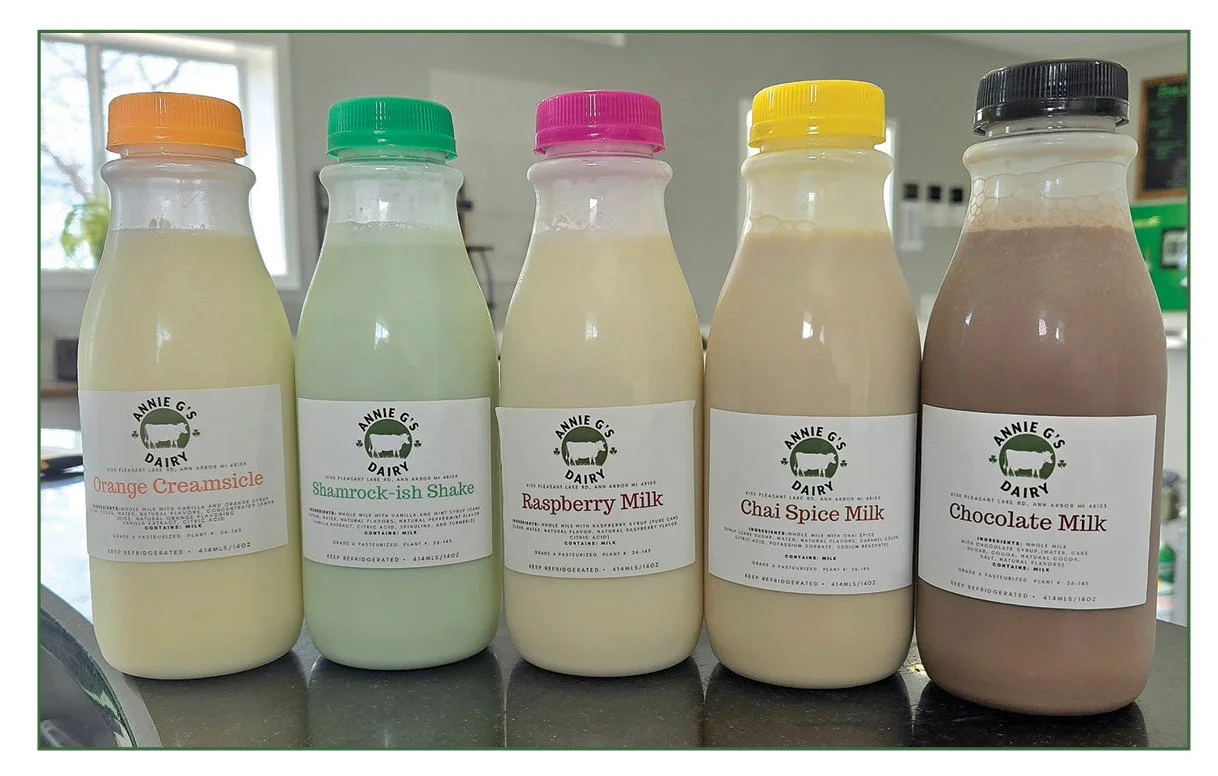
But, for now, come and use the only milk vending machine in the country at Annie G’s farm. Not only is it unbelievably fun to watch a jug be filled with milk in the machine, but it’s the freshest, most natural form of milk that can be purchased from a store, as well as the closest consumers can get to fresh from the cow. This is because the milk is small batch, as well as low-temperature vat pasteurized.
Lower temperatures kill harmful bacteria but preserves enzymes like lactase, helping some lactose-intolerant people digest their milk. And as discussed in the genetics section of the herd, many people who believe that they are lactose intolerant can drink the milk from Annie G’s because of the A2/A2 genetics found in the herd. It is non-homogenized, so it has a layer of cream that separates from the milk after it has been bottled. These three practices, combined with seasonal grazing and as much homegrown feed as possible, have allowed them to create a truly great product that more people can enjoy without any adverse effects, as well as peace of mind. By carefully managing these elements, Kat and David ensure quality and sustainability in every step. To add to the personal experience of connecting to the farmer and the cows, the fat content is posted on a board beside the vending machine and is updated every time the milk vat is refilled with new milk.
As if that wasn’t enough, Kat also researched and found all natural flavorings that can be added to the milk during the vending process. So, all-natural chocolate, strawberry, and other fun seasonal flavors are available for purchase. They offer cheese and meat from their farm as well.
I hope this article has inspired you to take a deeper look at the connection to your food, as well as encourage you to consider making the trip to this remarkable farm and support their efforts. Every time you purchase from a reputable farmer, you make a choice with your money. Instead of supporting large-scale commercial or factory farms, your purchase begins bringing wealth back to your community, and back into the pocket of those who will continue to work toward a brighter food future for us and future generations. Support your Local Farmer.
Find Annie G’s Farm Store at 6130 Pleasant Lake Road in Ann Arbor. You can also catch them at the Royal Oak Farmers Market at 316 East 11 Mile Road in royal Oak on Saturday from 8:00 a.m. to 1:00 p.m. You can also find Annie G’s products at Sheats Produce in Milan and Green Things Farm Collective in Ann Arbor. Follow Annie G’s on Facebook, Instagram, and TikTok @AnnieG’sDairy.
Karen Quinn is a writer and artist who homesteads on a rural urban farm in Livonia, Michigan with her husband, son, and menagerie of animals. Her favorite things are napping, exploring, and drinking tea. Find more about her at Patreon.com/ZephyrineJunction.
Read Related Articles:

















































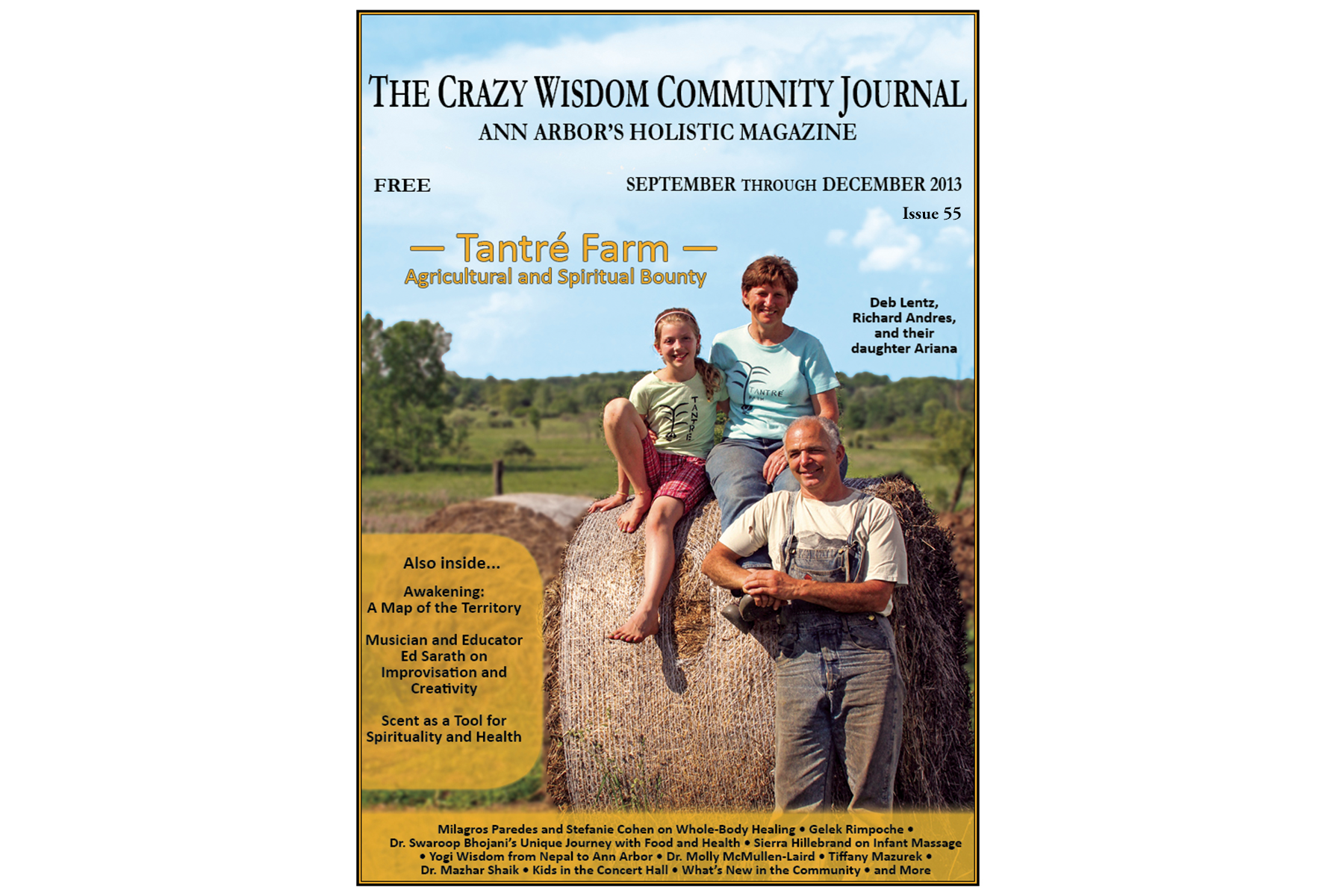






If you’re looking for a fun, free, educational, and delicious way to celebrate fall, the Third Annual Tantre Farm Honeybee Nut Festival in Ann Arbor is the place to be on Sunday Ocotber 8th.