
Crysta Coburn visits crazywisdom-esque people and happenings around Ann Arbor.
Leaps of Faith - Tales of Local Businesses
Writer Mary Runser meets the owners of Ypsi's new CULTIVATE COFFEE & TAP HOUSE and Ann Arbor's new THISTLE & BESS.
Falconry — Words from a Master
Rupert let out a low hoot as he shifted his position on Master Falconer Craig Perdue’s wrist. “That hoot means he’s getting agitated. He doesn’t like everyone making a fuss about his prize.” Craig was referring to the lure in the bird’s talons. As if on cue, Rupert the Great-Horned Owl clutched it more tightly, letting out a high-pitched screech.
PTSD and Animals
Your animal friend does not have to be in a disaster or war zone to develop PTSD symptoms. Common causes include accident, surgery, attacks by other animals, human-inflicted abuse, life-threatening illness, separation or death of a loved one, getting lost, or even moving to a new home.
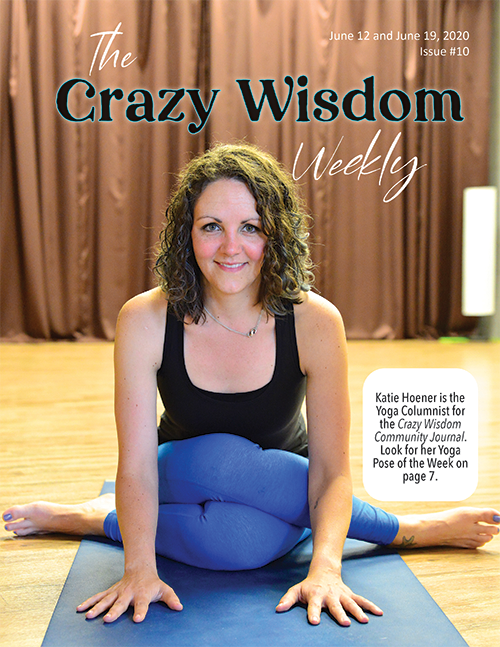
Katie Hoener Answers Your Yoga Questions
Whether you’re a seasoned yogi or getting ready to roll out your mat for the first time, you’ll find a variety of tips from local yoga instructor Katie Hoener.
What's New in the Community
This ongoing column features upcoming events within Ann Arbor/Washtenaw County and surrounding areas’ Body/Mind/Spirit communities, new (during the past year or two) practitioners and holistic businesses, new books written by local/regional authors, new classes, as well as new offerings by established practitioners and holistic businesses.
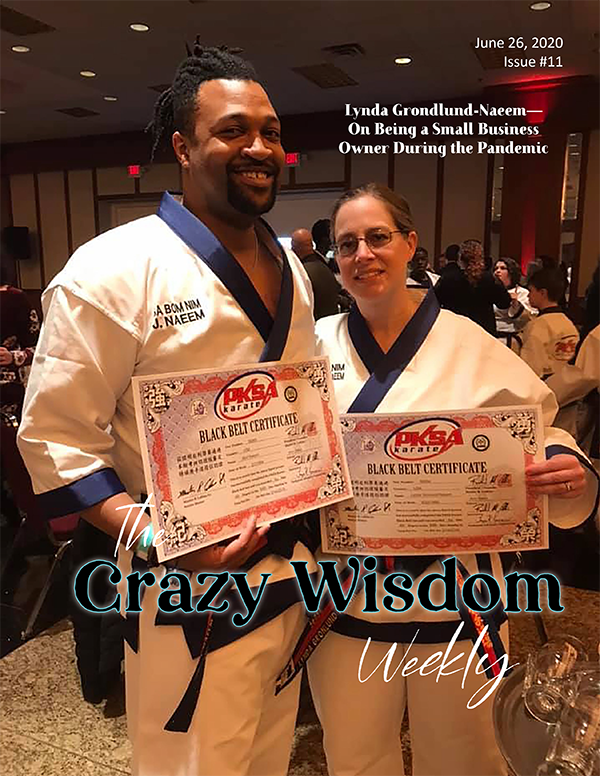
Breaking Boards, Breaking the Cycle — Instructors Work to Keep Girls in Martial Arts Longer, Citing Physical and Mental Benefits
Eleven-year-old Melanie Kwierant moves to the center of the studio, a little reluctant to show off her black belt karate skills. But as she begins, her pre-teen shyness fades away. She kicks. Punches. Maneuvers a graceful turn. She’s calm and confident. When finished, she’s slightly out of breath. She bows to the small crowd that has gathered and sits down.
Grasslands
I learned firsthand that grasslands can dance when I was sixteen or seventeen. Sure, I had heard as much, and probably had read it, too. Yet growing up in Southern California, such things seemed mysterious and distant, evocative of vast plains and wagon trains. I was hiking with Lee in the Santa Monica Mountains near Los Angeles. We had puffed our way up the Chumash Trail, a dusty climb without switchbacks from the sea into the coastal hills.
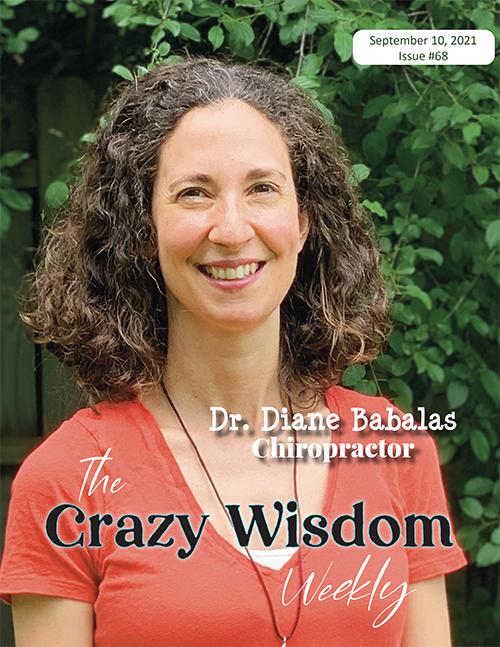
The Human Body— A Symphony in Sharps and Flats Getting to Know Dr. Diane Babalas, Chiropractor and Healer
Overheard:
—I don’t want to go to the reception. I hate these things.
—Leave early.
—But I don’t know these people!
—Just go up to the first interesting person you see and ask, “How’s your back?”
Dance Meditation Technique: Dance Your Way to Self-Realization
On an unusually warm Sunday in January, people are milling around inside Detroit’s archaic Scarab Club (the sign out front notes, “The scarab, an Egyptian symbol of rebirth…”). True to the venue’s name, a tribe of Dance Meditation Technique (DanceMT) practitioners, as participants are called, has been showing up every Sunday for a chance to be reborn with more vibrancy and vitality.
Making It In Ann Arbor: Maker Works Give Your Creativity Space to Flow
We are in the midst of a quiet revolution, creeping from the secret places of our souls into the light of daily life: the desire to create, to build, to invent, to explore the world using our hands and our senses, and to do it in community. While sprouting everywhere, in Ann Arbor this “Maker Revolution” has the possibility to grow in bigger ways.
A Family Art Exhibition ~ Three Sisters and Their Mom
Wanetta Jones is a firecracker. At eighty-seven years old, her voice floats and delves octaves with stories of herself and her three daughters, all of whom are artists. Sitting in her Ann Arbor condo surrounded by her oil paintings, she explains the way she encouraged her three girls to become artists: “I said, you kids have to pick out art. I’m not going to have my children grow up just using one side of their brains.”
Yoga: A Practice to Enhance Relationship
When people say, “I’m in relationship,” they usually are referring to a relationship with another person — perhaps a friend, an intimate other, or even a business partner. Most people would agree quality relationships of all kinds matter and have real value. So, have you considered how you relate to yourself? As a yoga teacher, this has become a curious question I often ask myself.
Acupuncturist Pokes Holes in My Fears (Our Intrepid Reporter Braves Needles in her Face and Reaps Unexpected Benefits from her Visit to Dr. Julie TwoMoon)
I’m lying on a padded table in a quiet, restful room, but I can’t quite relax. I look up at the woman standing over me. “The needles... are you going to, you know, put them in my face?” The woman is Dr. Julie TwoMoon, a naturopathic doctor and acupuncturist based in Plymouth. She gives a confident nod. “You’ll hardly feel it,” she says.
Ari Axelrod: A Life Transformed A Young Actor’s Journey Back to the Stage After Discovering He Needed Brain Surgery
Ari Axelrod is 22 years old and nearing graduation from the Conservatory of Theatre Arts at Webster University, near St. Louis. Axelrod is tall, with short brown hair, and a quick and wide smile. He also has a three-inch long, half-inch wide surgical scar at the base of his skull. (More about that later.) His voice is vibrant and well-modulated, and his conversation is enthusiastic, dramatic, and intensely engaged, just what you might expect of a budding musical theatre actor.
Music & Audio Reviews
By Sarah Newland
Sevati cd
By Mirabai Ceiba
Exploring new territory on this lovely recording, Sevati includes a traditional Sikh prayer, Sanksrit mantras, Spanish and Native American songs, and a Khalil Gibran poem. The duo’s signature blend of passionate male and female vocals is richly interwoven with harp and a beautiful variety of other sounds providing the backdrop to a powerful and meaningful listening experience.
$17.99
Music for Massage cd
By Various Malimba Wellness Artists
Dive into deep relaxation as this music dissolves stress and encourages calm. Featured artists include Shastro, Nadama, Raphael,and Shakya. Each artist shines individually, yet contributes to a cohesive whole in this beautifully produced recording.
$16.98
Vintage Latino cd
By Putumayo World Music
Experience the tropical nightclubs of Latin America in the 1950s with this nostalgic collection of classic boleros, cha cha cha’s, and more. Includes artists from Cuba, Argentina, Uruguay, Puerto Rico, Venezuela, and Colombia.
$13.95
Shaman Earth Dance cd
By Nanda Re
Using drums, rattles, didgeridoo, bells, cymbals, mixed choir vocal mantras from around the world, string instruments, and synthesizer, Nanda Re presents astounding compositions carrying flavors of many cultures. This music connects one to the power of the Earth through a sound journey that is at times dynamic and energizing, and also soft and introspective. Music to dance, travel, and dream.
$16.98
Awake dvd
The Life of Yogananda
This is an unconventional biography about the Hindu swami who brought yoga and meditation to the West in the 1920s. Yogananda authored the spiritual classic Autobiography of a Yogi – a best-selling go-to book for seekers, philosophers, and yoga enthusiasts today. He made Vedic teachings accessible to a modern audience. Filmed over three years in 30 countries around the planet, this documentary examines the world of yoga, modern and ancient, east and west, and explores why millions have turned their attention inwards, bucking the limitations of the material world in pursuit of self-realization.
$27.95


Taking Care of Your Liver
The Consummate Multitasker
By Linda Diane Feldt
The liver is the consummate multitasker of the body. With over 500 functions, the liver is constantly at play to cleanse, store, purify, transform, and support. All we need to do is support the liver, and it will do its work. Somewhere along the line, holistic health care started promoting people actively “cleansing” or “purifying” the liver, as if we could do a better job directing these critical tasks.
In almost all cases, the liver is already doing what it needs to do, and it is doing it brilliantly and thoroughly. And, like all organs and systems of the body, nourishing support would do more to positively affect liver functioning rather than unproven and sometimes dangerous “cleanses.”
The liver needs to move blood through it — every minute or two a liter of blood flows through the liver, and 10–15 percent of your blood volume is in the liver at any given time. Lemons, artichoke, dark green leafy vegetables, celery, beets, and bitter foods are just a few examples of foods that can help blood flow. Garlic, onion, and other alums also have a special role in keeping things moving and healthy in the liver. For best results with garlic, you need to crush the cloves and then wait at least 10 minutes for the chemical reaction that forms. You can then cook with the garlic, or use it raw.
Avoiding processed foods, fried foods, trans fats, and added chemicals will also be beneficial. Poor quality or rancid oils are also problematic. Olive oil and coconut oil have positive effects for the liver. At a time when my liver was very stressed from a chronic health condition, I found that simple soups with lots of lentils or other beans, dark green leafy vegetables, other garden veggies, and simple vegetable stock (or adding miso after cooking) were very helpful and easy to digest.
It is common knowledge that overconsumption of alcohol is harmful for the liver. It is also important as much as is possible to avoid toxins in all forms — what we eat, drink, inhale, and apply topically.
Milk thistle seed (Silybum marianum) extract, or tincture, is considered a liver cleanser according to the popular literature. It actually protects the liver from damaging toxins, and may also help repair the liver — supporting the constant regeneration of the liver. The tincture made from the seeds can be added to water and used preventatively or for active liver concerns.
Dandelion (Taraxacum officinale) as a food and extract nourishes the liver and provides some of the best liver support for liver functioning. All parts of the dandelion can be used. Include dandelion leaves as a pot green, in salads, added to sauces, as a homemade herbal vinegar, even baked in filo dough as a substitute for spinach in Greek recipes. I’ve had some of the best dandelion greens in Greek restaurants, simply cooked with olive oil and garlic. The flowers can be made into wine, which has a lemony taste and can also help with digestion. In winter or if you find it easier, a tincture of dandelion leaves and roots can be used in water.
Turmeric (Curcuma longa) may be able to reverse some liver cirrhosis, as well as to prevent liver damage. It has many other substantial health benefits including being an excellent anti-inflammatory. The root is used in cooking, but for regular intake, a root extract can be taken daily with water.
There are hundreds of other herbs and foods that can benefit the liver. This is just enough to get you started in providing liver support and nourishment. The combination of avoiding what stresses the liver and taking care of your health with liver nourishing herbs will give you immediate benefit.
Liver disease is a serious and sometimes life threatening condition. If you believe there may be something seriously wrong with your liver, you should talk with a medical practitioner right away. A holistic approach can include herbs and food.
Linda Diane Feldt is a local holistic health practitioner “providing an integrated approach to holistic health care since 1980,” with a focus on hands-on bodywork including massage (1973), polarity therapy (1979) and craniosacral therapy (1982). She is also a writer, teacher, and herbalist. Visit holistic.lindadianefeldt.com.
The Disease Prevention Organ: The Most Important Thing You Didn’t Learn in Health Class
By Logynn Hailley
I remember once I had a biology teacher who was giddy about discussing the “millions of chemical processes” in the body. But when we learned about the roles of each organ, the liver was described as if it were a simple filter on a vacuum cleaner. It was there to “remove toxins from the blood.”
Where did those toxins go? We never covered that part.
I assumed they stayed in the liver and that it just turned into a rather gnarly “dirt sponge” as you got older. You could buy a mysterious thing called a “liver cleanse” at the health food store if you worried about it, which I never did … until recently.
I visited a neurologist turned chiropractor named Jen Hartley in Colorado. On my first visit, I learned more in 15 minutes with her than I had in the past 15 years of doctor appointments. The most surprising thing she said was that my hormone-related symptoms were a liver problem.
I had played treatment pinball with my glands and organs for years attempting to correct a mysterious imbalance. But I had never once considered the liver to be part of it. Isn’t the liver at the end of the chain of processes, like the drain everything passes through after its job (good or bad) has been done?
Apparently it is far more than that.
The liver processes Dr. Hartley described would have made my ninth grade biology teacher go into overload. It’s not a “filter” in the sense that we think of filters as an inert sponge for accumulating dirt. It’s more like a factory with an almost magical array of chemical processes. The liver plays an integral role at some point in almost every process in your body, to the point that you might say any disease is caused by the liver not working as well as it should. A healthy liver, fed right, should be able to remove the factors that cause disease.
Hormonal disorders might involve your glands or chemical estrogens from your environment, but it is the liver that controls how much of those hormones remain floating around in your body. The liver is supposed to recycle or remove the excess ones.
Cancer might come from a lack of antioxidants to clean up free radicals, but the liver creates, recycles, and mobilizes the most powerful antioxidants in the body.
Diabetes might involve insulin and sugar imbalance, but it’s the liver that stores, releases, and regulates the body’s sugar-based fuels. The stress hormone, cortisol, might cause stress-related disease but only if the liver doesn’t have the ingredients to deactivate it when it’s not needed.
If you find yourself juggling prescription drugs to regulate all these problems it is probably because your liver isn’t doing it for you. The liver ultimately controls every toxin, chemical, hormone, mineral, vitamin, amino acid, fat, sugar, and protein in your body. Even if its effect comes later when it should be removing the by-products of completed processes. Imagine what would happen if you cleaned your tub so you could take a bath, but the drain didn’t work? You’d have to bathe in dirt, scum, and toxic cleaners. And that is literally what happens inside when your liver can’t clear things out quickly enough.
I’ve often wished for a user’s manual for my body so I could “pop the hood” and figure out what has gone awry, but there is a reason that we don’t have one. It’s because if your liver is working right, it dispatches toxins and corrects imbalances without you ever even knowing it, and that’s how it’s supposed to be.
So, how can we help our magical liver factories get back on the job so upper management (the brain) doesn’t have to handle emergency waste clean-up and disaster relief operations?
For one thing, you might have heard from your yoga teacher that the liver “stores anger,” and it turns out there is a correlation. When your body stresses out, it makes cortisol, and the liver needs a lot of glutathione to get that hormone out of your body. Otherwise it floats around damaging your organs and causing the dreaded “belly fat” problem.
If you don’t get enough glutathione (and you probably don’t) then the first order of business is reducing the need for it by calming down. Practice yoga, walk your dog, smile, and so on. If you’re stressed out and angry all the time, your liver can become chronically backed up. This is how it’s possible to have illnesses with root causes dating all the way back to a traumatic event years and years ago.
The second important thing is to get a little bit of exercise every day. Even a little exercise, like five minutes of sprints, can purge some of your liver’s stored energy (glycogen) and get things moving. The liver was meant to constantly release and then re-stock energy stores. If there is no energy release, things get stale in there really fast. Stale, as in “fatty liver disease” stale.
Third, it turns out that one of your most important jobs as upper level management for your body is to fill all your liver’s orders for necessary ingredients. Make sure to get all the substances to keep each “toxin removing department” of the liver running smoothly. Unfortunately, some of those ingredients are a little hard to come by. That’s why it’s important to make a habit of including certain foods in your diet.
Here’s How It Works:
There are two major detoxification pathways inside liver cells, which are known as the Phase I and Phase II detoxification pathways. In a nutshell, these phases break down (metabolize) toxins through various chemical reactions. The Phase I pathway is responsible for converting the toxic chemical into a less harmful chemical, and Phase II converts the resulting toxic sludge into a water-soluble substance so that it can be excreted from the body via bile or urine. If Phase II isn’t completed or working efficiently, this sludge just backs up and causes a hazardous waste spill in our bodies! Here are some recipes that contain many of the liver-healthy foods you need to assist in these complex processes. Enjoy these whenever you can to keep the polish on your shiny new liver!
PURPLE SUPER SALAD
(Purple produce contains anthrocenes, which assist in Phases I & II Glutathione Conjugation.)
In a large bowl, whisk together:
3 tablespoons almond oil
2 tablespoons fresh lemon juice
1 teaspoon lemon zest
2 tablespoons dill weed, chopped
Sea salt and freshly ground pepper to taste
Then add:
8 cups baby spinach or replace some of the spinach with purple cabbage
1 purple carrot, shredded
2 handfuls of blackberries, black cherries, or red grapes
Some also like this salad with diced black olives and/or a diced hard-boiled egg
EASY RAW VEGAN KEY LIME CHEESECAKE
(Assists in Phase II Glucoronidation, which requires nutrients found in these foods: almonds, brazil nuts, cashews, chocolate, citrus zest, dill weed, dark leafy greens, mushrooms, oysters, peas, pumpkin or squash seeds, spirulina, spinach.)
Crust: Take 1/4 cup dried, unsweetened coconut and sprinkle it evenly over the bottom of your cake pan. Then mix the following in a food processor:
1 1/2 cups walnuts and almonds
1/2 cup dates
1 pinch sea salt
Press this mixture evenly over the coconut.
Filling: In a high-speed blender —
3 cups cashews
3/4 cup fresh lemon juice
3/4 cup honey
3/4 cup coconut oil
1 teaspoon key lime zest
2 tablespoons key lime juice
1 tablespoon vanilla extract
1/4 cup of water, only if you need it to blend. Use as little as possible. Mix until “cheesy” and pour on top of crust. Then put it in the freezer for an hour to get the right consistency. Defrost it for a 30 minutes before serving. It’s super rich tasting and actually tastes like cheesecake.
IRISH BREAKFAST SKILLET:
(Enhances Phase II Acetylation, which requires nutrients found in these foods: almonds, asparagus, avocados, berries, broccoli, cheeses, citrus fruits, eggs, guava, kefir, kiwis, dark leafy greens, lemon, mushrooms, oysters, papayas, peas, pecans, peppers, spirulina, spinach, sweet potatoes, and tomatoes.)
Use a large, heavy bottomed sauté pan with a tight fitting lid. “Grease” it with coconut oil and add:
1 large sweet potato, diced
1 small red pepper, diced
Spread evenly over the bottom of the pan and cover. Turn the heat to medium-high and allow to cook until the pieces begin to brown. It’s okay to turn one or two over and check every couple of minutes. Discard any condensation on the lid, as you want some moisture but not too much. Once the potato is browned on one side, stir it well and spread evenly on the bottom of the pan again. Allow to cook until beginning to soften. Then spread all the sweet potato to the sides, making an open space in the middle, then add:
2 – 4 eggs, cracked into the center
Sea salt and pepper or rosemary to taste
Cover and cook until eggs are almost to desired done-ness. Turn off the burner and add two handfuls of shredded cheese, sprinkled evenly over the sweet potatoes. Cover again and allow to sit for two minutes, then serve. Makes enough for two large breakfasts.
FILLING SPICED FIG PROBIOTIC BREAKFAST:
(Assists in Phase II Methylation, which requires nutrients found in these foods: almonds, asparagus, avocados, bananas, beets, broccoli, raw dark chocolate, eggs, figs, kefir, dark leafy greens, molasses, oysters, parsley, peppers, potatoes, pumpkin and squash seeds, quinoa, shell fish, spirulina, spinach, tea, turnip greens.)
Combine in large breakfast bowl:
½ cup plain kefir (I like goat milk kefir for this)
5 dried black mission figs, diced
4 tablespoons of cottage cheese
1 – 2 teaspoons molasses (to taste)
1 large pinch of ground clove or garam masala
1 small pinch of cayenne pepper (optional, if you like spice)
1 small pinch of ground cumin (optional, but I find it makes it wonderfully aromatic)
Next, stir in:
1 small diced apple
1 cup of grapes, halved
This is my favorite way to get fruit as a meal, and not feel hungry soon after.
A note about the consumption of spirulina:
Spirulina is blue-green algae, which is a fresh water plant. Under stressful or crowded conditions, blue-green algae can become contaminated with microcystins. This cumulative toxin has negative effects, especially for he liver and brain, but also for male fertility. While the probability that any single batch of spirulina contains the contaminant is small, it is still possible. Seaweed, a salt water plant, delivers many of the same nutritional benefits, and more. When gathered by ethical harvesters, it can be considered safer and of equal or greater benefit without the risk of toxic accumulations. At the minimum, please investigate this danger with the individual brands before consuming spirulina.
Is Yoga Having a Moment? 12 Local Yogis Lean In to the Question
In recent years, yoga has grown exponentially in popularity. Instead of being a niche activity it’s part of the mainstream. It’s become normal, even outside of places like Ann Arbor, where yoga has had a strong community for years. We talked to 12 yogis from in and around Ann Arbor to take the temperature of the yoga community right now.
Sitara Bird — Detroit's Instagram Yoga Sensation On Staying Connected
By Chelsea Hohn | Photos by Joni Strickfaden

Sitara and her partner, Tim Shellabarger
A young, mermaid-esque woman walks into a coffee shop in Ferndale, Michigan. Her blonde dreadlocks intertwine with beads laden throughout, floating around her head like a messy halo. Accessories adorn every limb. Jewelry hangs from her nose in several places, bracelets accentuate her wrists, and elaborate tattoos peek out from her clothes.
To many, Sitara Bird’s uncommon beauty might catch their attention, but to her 34,000 followers on Instagram she’s instantly recognizable. Her frequent posts illustrate a life well lived. Her color-saturated photos, videos of yoga sequences, and still-life photos of healthy and beautifully arranged food provide vignettes of her life to the thousands of people who interact with her on a daily basis. Their essence captures her presence, calm yet powerful.
Her Instagram is a source of inspiration to her followers, who interact with her through the main form of communication on Instagram: comments. Thousands take a moment to write sentiments expressing their appreciation and encouragement.
““Everyone always says you find yoga when you’re supposed to find yoga, and it found me right when I needed to find it.””

Similar to her appearance, her Instagram account feels like an extension of herself. She presents something alluring yet seemingly effortless, and has the innate ability to bring out the best in others.
Now 26 years old, Sitara Bird started practicing yoga when she was 19, in Clinton Township, and took her yoga teacher training in 2010. She now teaches yoga in the Detroit Metro Area, especially at the Citizen Yoga studios in Detroit and Royal Oak. When I asked her how yoga found her, she replied, “Everyone always says you find yoga when you're supposed to find yoga, and it found me right when I needed to find it.” I couldn’t help but think her Instagram feed was helping others in search of finding their yoga connection.
Sitara Bird first took a liking to Instagram because she found it was easier to control what she sees on her feed. It occurred to her that this medium was ideal for sharing her story and inspiring others. It was also a match for her interests in yoga and photography. Now she posts about once a day; she has no quota but posts often enough to keep a regular following.
The rise of social media has coincided with a growing subculture of people who go online to have inspiration translate into life away from a screen. Sitara Bird’s elegant tributes to yoga and healthy eating have put her at the forefront of the followers who champion this lifestyle.
It seems her 34,000 followers is evidence she’s doing something right. The conversation she’s generating is at the nexus of yoga teachers, practitioners, clothing brands, and festivals that are integral to the modern yoga community. Yoga brands have begun to work in step with social media stars by creating contests within Instagram. Yoga festivals draw attendees by having similarly well-known names and Instagram personalities teaching at them. And for teachers like Sitara, it’s meant connecting with new students all over the world.
Many of modern yoga’s media stars are women in their 20s and 30s, with a range of yoga experience, but, at its heart, the movement seems to share similar intentions. It’s a positive community, one that for the most part includes members who share encouraging comments and act as catalysts for trying a new yoga pose or getting centered. Hashtags have also made it easy for people to connect around similar ideas, helping to spread inspiration by illustrating variations on a theme.
But to some, taking yoga to social media can seem like a step backward. Taking part in social media often comes from a very ego-ridden place; with users judging themselves and others through the process of likes and views. It’s easy to be deceived by appearances and distracted from real life.
With this in mind, I asked how Sitara Bird could use social media as a tool to spread or gain positivity without getting caught up in praise or rejection. She explained that it’s a challenge, and a building of awareness. “I kind of view my Instagram account as a journal,” she said. “People ask me, ‘How can you post yoga photos and it not come from an egotistical place?’ I know my intention is to share my story, and from the feedback I receive I know that it’s working.”
Using social media as a journal and a place for self expression keeps the intention real for her. Though it is also important to her to remember that social media is not real life.
Putting value on something that isn’t real, such as likes and followers, is a dangerous path that many users of social media go down. Commenting on this, Sitara Bird asked, “If the Internet broke tomorrow, then what would you do, where would you find your happiness?”
But not everyone has the detachment down. Many people use social media as a way to put value on themselves and get sucked into questioning their self-worth. With the positivity emanating from Sitara Bird’s community of followers, their connection is an antidote to this. Sitara Bird keeps the balance by keeping real face time.
“That’s more important and more fruitful and more filling for your soul than posting a picture, and the problem with social media is it creates this broader, more expansive bridge — you don’t see people talking anymore,” she said. “I think keeping real face time is important, and keeping yourself in check.”
Keeping yourself in check can mean questions of authenticity. For Sitara Bird, she tries to keep her page as authentic as possible. Social media is a place that can be easily crafted to convey a certain image, one that often leaves out emotions and experiences like pain, suffering, and loss. She finds there’s often a gap between what people experience everyday and what they choose to share. But she likes to write about her personal experiences, and says that when she is open and expresses her thoughts she gets the most gratitude from followers. It’s what inspires her to keep sharing.
Instagram as a format for connection has a great potential to change lives, if users can also remember to get the face time that is necessary. In the yoga realm on Instagram, this means getting on the mat, and for millions, the formal yoga challenges to do a certain pose or achieve a daily goal, and sharing your progress, have become wildly popular. Joining together to practice can be a wonderful reminder of why yoga appealed to them in the first place as well as a way for people to start a habit they would like to keep.
It’s also a place for businesses and opportunists like Sitara Bird to make connections and further themselves. She uses Instagram in part as a business endeavor and in part as a way to show potential students what her yoga practice is like. Even if it’s been inadvertent, Sitara Bird’s social media presence has become a brand, enabling her to become a participant at festivals, a teacher at large events, and a yoga retreat leader with Citizen Yoga.
The balance between using Instagram as part of her journey as a yogi and using it for business is another challenge she has to manage. Fusing a practice that is focused around letting go of the ego into a medium that celebrates the self is tricky enough. I asked her, “Does adding a layer that is growing a personal brand dilute the original purpose of spreading the gift of yoga?”
“Not necessarily,” she said. Her approach to social media is genuine, and she uses it as a way to spread the gifts she receives from yoga. But it is also how she builds her brand and works as an entrepreneur. She acknowledges how others might see the conflict in that. She also encourages people to evaluate social media’s potential for reinforcing best practices, as the community voices their alarm when authenticity is lacking. Negative feedback can motivate people to change course for the better.
““If the Internet broke tomorrow, then what would you do, where would you find your happiness?” ”
For her next endeavor, Sitara Bird is making videos, available online, so anyone around the world can practice with her. Her vision is to use her success on Instagram to bring people to her website.
It’s a strategy that works. With a captive audience, an account featuring beautiful photos like Sitara Bird’s can grab attention and attract new customers to studios, brands, and events and improve opinions. Like with any other aesthetic-based medium though, the quality and appearance of the photos matter. Attention to detail and an eye for design can go far, as it has for people like her, so if you’re a business owner considering this strategy, get a design-oriented person to lead the job.
So many people take to social media as a means to change their life, looking for a source of inspiration that will catapult them into new habits, but Sitara Bird encourages people to notice the conversation we have with ourselves.
“Notice the conversation you have with yourself in your own head, that’s where it starts,” she said. “You want change — it starts there first, it’s not outside of you, it’s not looking at something through a phone — it starts inside of you.”
For more information about Sitara Bird, learn about her on her website www.sitarabird.com. To see her on Instagram, go to instagram.com/sitarabird/.
Related Content:
Featured




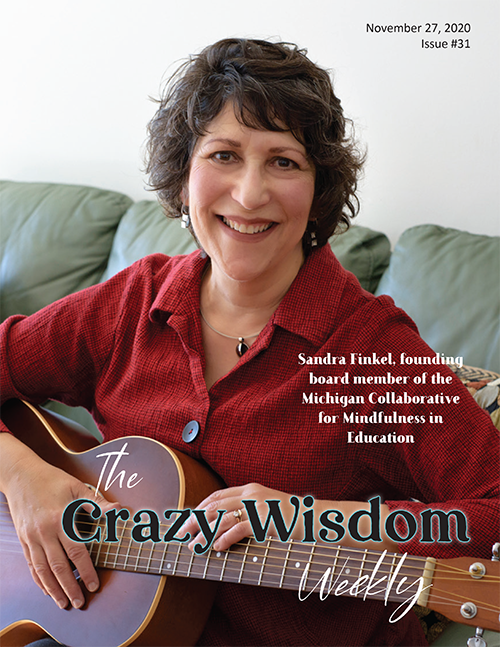
Mindfulness in Education Begins to Thrive — An Interview with School Psychologist Mary Spence
The definition of mindfulness provided by its founder, Jon Kabat-Zinn, includes three essential components: 1) Paying attention in the present moment, 2) On purpose and 3) Without judgment. I want mindfulness to survive its popularity because I believe that the practice of being mindful can remind us of who we really are, bring us back to our common humanity, and invite us to remain integrated in mind and body.






























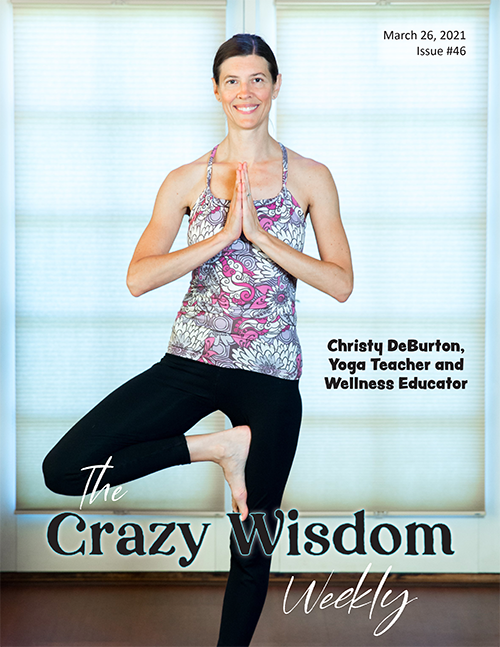








































































Unless we spend time exploring the underlying causes of our stress, ultimately nothing will change. A yoga practice can help us do just that. One of the gifts of yoga is that it helps us cultivate greater self-awareness. By getting on your yoga mat, you are taking time to slow down, be mindful, and see what you can learn about your body. With ongoing practice, you are better able to listen to your body and give it what it needs on a daily basis.