
At Peaceful Minds Counseling Services and Care2Cure Physical Therapy in Dexter, Michigan, we have come together to conduct a research study focused on helping individuals with PTSD improve trauma processing and healing. Through this collaboration, we are exploring the effects of using Eye Movement Desensitization and Reprocessing therapy (EMDR) in a mental health setting followed immediately with Dry Needling in a physical therapy setting.
Posts tagged #local practitioners
Stephanie Olson: Making Fertile Ground
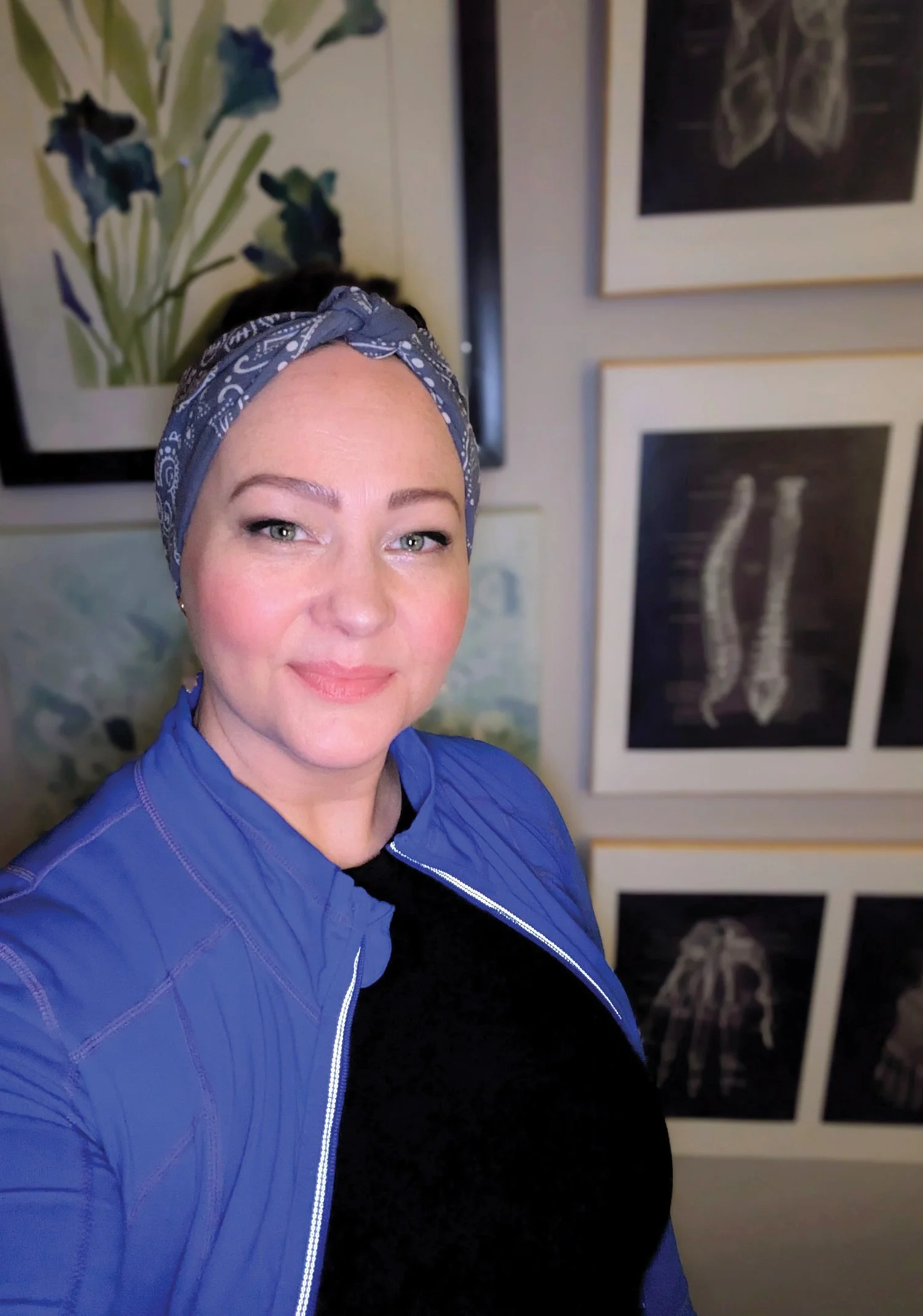
It has long been proven that one’s mental and spiritual wellness have a huge impact on one’s bodily health. With 22 years of training in multiple traditional disciplines such as neuroscience and kinesiology as well as holistic disciplines such as yoga and aromatherapy, Stephanie Olson treats the whole person. From start to finish, in all aspects of her treatments she expresses loving empathy. Given time, a wildflower will break down a stone wall. Slowly, gently, and lovingly, the wall will turn into fertile soil. Stephanie Olson is such a flower.
What's New in the Community: fall 2025
What’s New in the Community: New books from local authors, new businesses, new offerings and practitioners and upcoming events for fall 2025.
Kindred Conversations with Hilary Nichols--featuring Jonathan Buckman
What does normal even mean?” Jonathan Buckman asked. Buckman is not normal—he is unique and extraordinary by any measure, and that is what makes him such a great therapist, social worker, practitioner, neighbor, and friend. “Jonathan has attained master level accomplishments in so many domains, but you would never guess it if you were meeting him for the first time,” his bandmate, neighbor, and co-conspirator Jeff Gladchun told me. “You couldn’t ask for a better friend than Jonathan. He is one of a kind.”
Health Coaches Support Healthy Change
In conventional medicine most people turn to a doctor first when they have a health concern. While doctors can play an important role in diagnosing and treating disease, they are just one player on the larger health care team. While a physician takes the lead on testing, medications, and treatments more often than not, lifestyle changes in addition to medications and treatments, are crucial to regaining good health.
A Moment with the Wonder Twins
I recently met with Danielle Groth and corresponded with Vicky Lovell, two of the co-founders of Angel Whispers Healing Center in Dexter. Angel Whispers aids in helping individuals and families in mind, body, and spirit. They are in the process of moving into a new space on Baker Road that will be home to an even larger collective for grief care, acupuncture, reiki, worship, and other healing modalities.
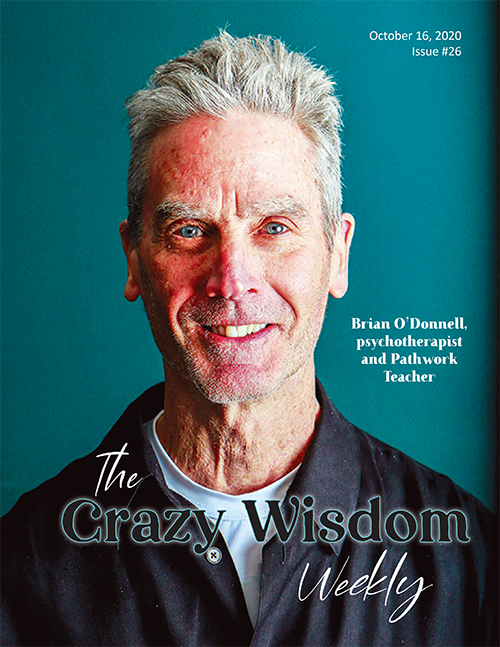
Out of My Comfort Zone with Brian O'Donnell and Linda Bender
Life is calling me out of the comfort zone of middle age to the forbidding territory of old age. Middle age isn’t exactly my comfort zone either. If I’m honest I’m still clinging to youthfulness.
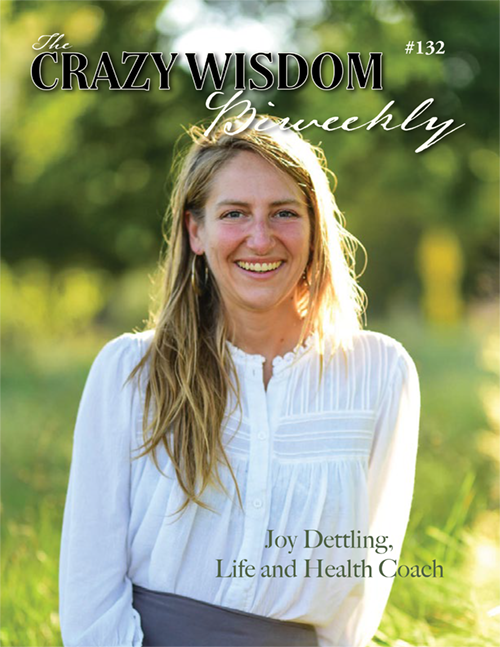
Kindred Conversation: Joy Dettling, Life and Health Coach
Tears run down my cheeks. My right hand, resting on a hand cradle contraption, buzzes lightly. Life and health coach Joy Dettling asks me to continue speaking about my central concerns, as she monitors the correlating reactions on her laptop. “What’s bothering you?” she asked. “What are the blocks between you and your betterment?” With one deep aha moment after the next, I am surprised to be finding the words to express some of my most long-held emotional blocks and self-doubts. As I speak, the ZYTO EVOX hand cradle measures my reactions through the pulses in my fingertips and reports the levels on her screen. With a thumbs-up, Dettling assures me that, “We are on the right track.”
Community Acupuncture: A Synergy of Healing & Community: A Conversation with Evan Lebow-Wolf, Cheryl Wong & Kiersten DeWitt of Ann Arbor Community Acupuncture
Community acupuncture, on the other hand, offers a sustainable and fiscally sensible solution to treating as many people as efficiently and effectively as possible. Evan Lebow-Wolf, co-founder of Ann Arbor Community Acupuncture (AACA), told me briefly about the difference between community acupuncture and private acupuncture. When I asked him whether he feels like there is anything missing in the community acupuncture approach that is available in private acupuncture sessions, he replied with a firm and resolute “no.”
Psychedelic Medicines in Trauma Recovery
Life is hard and yes, terrible things can and do happen, oftentimes to people who do not deserve it. Denying trauma and trying to inspire people out of its impact, both individually and collectively, has been the go-to method of dealing with trauma for generations.
Out of My Comfort Zone: Stretching Out of My Comfort Zone
Generally speaking, my comfort zone is not small. I have lived in foreign countries, trekked in the Himalayas, paraglided off a 5,000 foot cliff, flown in teeny tiny planes over the Amazon rain forest, stood on my head on various mountain tops, and held a giant anaconda around my neck (that one was mostly for the photo op). But when asked to write an article about stepping out of my comfort zone, I immediately knew what I’d share. And it turns out I am not alone in this fear. In fact, it comes in at number two on the list of people’s biggest fears. It is of course, the fear of public speaking (in case you’re interested, fear of death is number one on the list).
Ann Arbor Healers: Indigo Forest and Chronic Pain Reduction
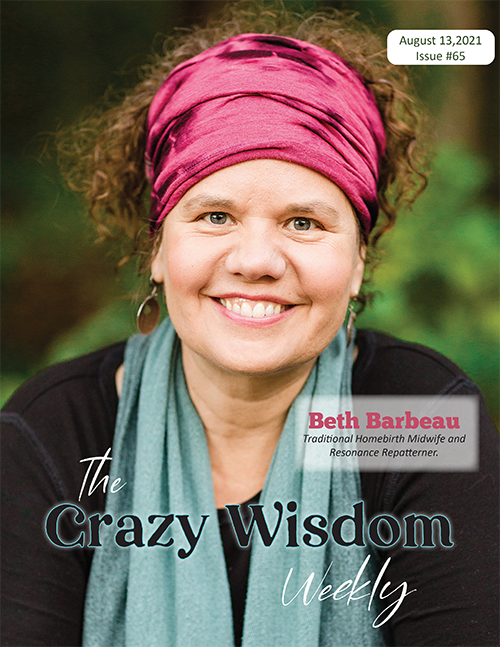
Beth Barbeau is a healer, and a teacher with 40+ years of midwifery and natural family health experience. Barbeau has recently added a new therapeutic device to her robust set of therapeutic options at Indigo Forest, her online and in-person business designed to help people of all ages achieve optimum health.
Ann Arbor Healers: Staunch Stress, Seal Serenity

By Marie Noelle Duquette
I hurt my leg in mid-September while running with my dog, Nala. The air was cool, autumn-fresh, and Nala and I were enjoying our evening walk. I felt so strong that I broke into a light jog, without stretching. I am 61 and not a runner.
About 50 yards into the run, I felt a pull behind my left knee. I slowed to a walk, thinking to myself, “There is no way that itty bitty burst of energy caused anything as serious as a sprain or heaven-forbid tear.” Still, my skin behind my knee was hot, the pain was real, and I quasi-limped home.
After wearing a brace on my knee for weeks, icing it daily, stretching it carefully, and getting an ultra-sound to rule out more serious causes, the pain behind my knee persisted. While researching therapies for leg injuries near Ann Arbor, I stumbled upon the Neurofitness Center website. Their website was convincing. I made an appointment to try everything they offered: Neurofeedback, the Salt Room, the Float Tank, and Cryotherapy.
My partner and I first went to Neurofitness to experience a Neurofeedback session and the Salt Room. Jack Lark greeted us upon arrival. Knowledgeable and engaging, he would help us navigate the different therapeutic experiences. Neurofeedback, he explained, was a therapy in which he would attach a couple of electrodes to my ear lobes and one at my temple. Next, I would put on a comfortable pair of headphones—the kind with soft padding that cover one’s entire ears. Then I would sit in a comfy chair and listen to a recording of meditative music infused with nature sounds such as birdsong, steady rain, and wind rustling through trees. The recording was enchanting. It was easy to close my eyes and give my mind over to what I was hearing. Periodically, the music would skip, like a less-annoying skip of a record that self-corrects and lasts only a second. The ambient recording draws one’s auditory focus—the skips are triggered anytime one’s mind wanders beyond the music and birdsong. At first, the skips happened frequently. Soon, my focus on the audio became steadier and the skips were less frequent. The Neurofeedback session was like yearning to hear a beloved, melodic voice that is almost beyond one’s hearing. I stilled my body and leaned into the strings, rain sticks, flute, waterfall, and windchimes. By the time the session ended, I was ready to book a weekly session, my relaxation was so complete. Lark told me that Neurofeedback was a form of practicing mindfulness in a way that required less effort and more receptivity. As one who struggles with keeping my attention in the here and now, it succeeded beyond my hopes.

If the Neurofeedback session was like yearning to hear a beloved, melodic voice the Salt Room was akin to sitting on a beach, inhaling fresh air. The Salt Room at Neurofitness is lit by infrared lights and is big enough for two people to sit in comfortably. The Himalayan salt is so deep on the floor that it looks like a remote beach of fine sand you can dig your toes into. Salt bricks are laid into the walls and a PVC pipe in the corner emits a burst of fine salt spray into the room every eleven seconds. Upon entering, I removed my shoes, pushed back in one of the zero-gravity chairs, and closed my eyes to focus on my breathing. I quickly fell into a meditative state and the half-hour session slipped away unnoticed.
The next day we returned to float. We had both enjoyed float tanks in the past and were familiar with the drill: enter the room, shower, enter the float tank, and either close the lid, if you are in the egg or turn out the lights if you are in the non-covered tank. Music plays if you are in the open tank, or you can float in absolute silence in the egg. In both tanks, you float in darkness that envelops you so completely that you cannot see the walls, the water, or your own wrist in front of your face. The complete lack of visual stimulation enhances one’s sense of touch so that the salt water, which holds you up without effort, feels like a cradle, the warm water giving a sense of being in a womb—a protected space created for your own nourishment and rest. A gentle recorded voice interrupts your reverie when the hour is drawing to an end. After floating, the colors and lights and sounds outside are more vivid and distinct. There is a newness to the world as if your very eyes have been cleansed—your senses reset.

On Monday, I returned to Neurofitness for the scariest offering: Cryotherapy: standing, with minimal protective outerwear, in a sub-zero chamber for three minutes. Cryotherapy has been used for decades in Europe and Asia to promote athletic recovery. From the Neurofitness website, I read, “The use of liquid nitrogen in a safe and controlled environment provides a gentle but significant amount of cold exposure. The extreme cold stimulates the skin’s temperature receptors to activate the nervous, immune, and endocrine systems, leading to a reduction in inflammation and pain (hey athletes—this means quicker recovery!), elevating mood, and increasing energy. Clients often tell us they feel relief of symptoms including muscle soreness, arthritis, chronic pain, and inflammation.”
Lark, our guide at Neurofitness, was particularly helpful for my Cryotherapy session. He explained that the sub-zero temperatures would not feel quite as cold as I might expect, because it was a dry cold, not the wet cold that we know from Michigan winters. The Cryotherapy chamber looks a bit like a blue hexagon-shaped phone booth. The floor of the chamber is adjustable by adding soft, uniform pads that fit perfectly in the chamber’s footprint, so that no matter your height, your head is not enclosed in the chamber. Lark gave me special socks, shoes, gloves, and a robe and excused himself until I was ready. When he returned, he assured me that I was in control. Once in the chamber I could opt to remove the robe and at any time, or I could ask him to let me out. Still, he urged me to embrace the experience and try not to focus on how cold I felt. “That way, you’ll get the most out of doing it,” he said.

Once inside the chamber, I was not brave enough to drop my robe. The cold was not as sharp as I expected, but neither was it as comfortable as the other therapies had been. I endured the entire three minutes, trying to focus on the benefits. I emerged feeling like a victor. Immediately after Cryotherapy, I felt hungry, and then tired. As the evening wore on, and the new day dawned, I noticed that the pain in my leg was considerably subdued. I could still feel a dull ache where the sharp pain had been, but that continued to lessen in the days ahead. It has been two weeks since I braved the sub-zero Cryochamber and my leg has yet to hurt at the level of pain I endured before the experience. In fact, I’ve not worn my knee brace once since the big freeze. I’m going back for another session today, to continue the full healing of my leg, and to see if Cryotherapy will help heal two toes that I bruised badly yesterday when I wrapped them around a square, wooden chair leg.
Neurofitness is an extremely clean facility. Lark is a helpful guide whose sense of optimism and wonder is infectious. The entire environment underscores that restorative healing and stress-relief is more than a nice occasional treat. It is something we need as much as medications, fresh food, and deep sleep. The therapies offered at Neurofitness act like boosters that enhance other healing practices. They helped me find a place beyond the trauma of life in which restoration of my body, mind, and spirit, is both inviting and efficient.
In my first visit, I commented to Lark that I was pleased that Health Savings Account and Flexible Savings Account dollars offered by many insurance companies could be used for all their therapies. He said, “Of course! We are a health care center.” Indeed.
Neurofitness is located at 6360 Jackson Road Suite A in Ann Arbor. To learn more or make an appointment, call (734) 206-2012 or visit them online at https://neurofitcenter.com.
Related Content:
Featured


Healer of Ann Arbor: When is a Massage Not a Massage?
Lisa Teets is a local Bowenwork healer, Tai Chi instructor, and fan of wellness modalities in general. I met her in a local Tai Chi class several years ago, and we hit it off. As many of us struggle with stress into year three of the pandemic, I wanted to learn more about her primary modality—Bowenwork—to ask what makes it different from a massage and how people might know if they would benefit from trying it.
5 questions for 3 Local Sound Healers
Short interviews with three local sound healers.
Healers of Ann Arbor: Mindful Awakenings with Julie Woodward
Through the pandemic, many people have reached out to healers and wellness teachers for self-care techniques and help through crisis. One such teacher, Julie Woodward of Mindful Awakenings, seemingly does it all. She teaches yoga for resilience, mindfulness meditation, and leads nature immersion hikes that help us all re-anchor ourselves in the present moment and recharge through times of stress.
Linda Diane Feldt, Beloved Ann Arbor Healer, the Very Embodiment of Crazy Wisdom in the Community
The death of Linda Diane Feldt, at 62, on November 17th came as a shock to Ann Arbor’s holistic subcultures. There was an immediate outpouring on Facebook of heartsickness and grief, a sense of being stunned that someone so integral, so key, could be gone in a flash. For those who didn’t know her, or never came across her, it is hard to put into words the depth and range of her presence and her impact. We have had a holistic alternative healer/genius in our midst, for decades, and we all knew she was special, but took for granted that she would always be here, so no need to pay extra special attention to her gifts, to her very existence in our community. Though, as she said often in recent times, take nothing for granted.
Back to Basics Health with Julie Johnson
Imagine receiving results from an air quality and blood test showing that your home needs remediation—and so does your body. There were astronomical levels of mold and fungus in your blood. You suffered from pneumonia and had so many x-rays taken that you almost glowed in the dark. The medications prescribed were barely treating the symptoms but were further depleting your already near-extinct immune system. Your doctors finally admit that they have no effective options for your condition; their final suggestion was to wait and see if your body began to win the fight on its own.
Healers of Ann Arbor
You can try a new type of massage or read a chiropractor’s online reviews, but how do you really know when a healing modality is right for you? This new column, from tech and wellness journalist and meditation coach Laura K. Cowan goes in depth with local healers to give you a behind the scenes look at what they really do to help people relax and heal.
A Conversation with Erin Stohl and Dan DeSena about Somatic-Oriented Psychotherapies
An Ann Arbor couple, Erin Stohl and Dan DeSena, has found a place within the local somatic psychotherapy community. I sat down with Stohl and DeSena, pre-pandemic, to learn about how they came to somatic psychotherapy, and how their experiences as somatic psychotherapists have impacted their relationship. Stohl and DeSena are both seeing patients via video chat and doing appointments by phone.




















































































At Peaceful Minds Counseling Services and Care2Cure Physical Therapy in Dexter, Michigan, we have come together to conduct a research study focused on helping individuals with PTSD improve trauma processing and healing. Through this collaboration, we are exploring the effects of using Eye Movement Desensitization and Reprocessing therapy (EMDR) in a mental health setting followed immediately with Dry Needling in a physical therapy setting.