Winter Preserving: From Freezer to Flavorful Jars
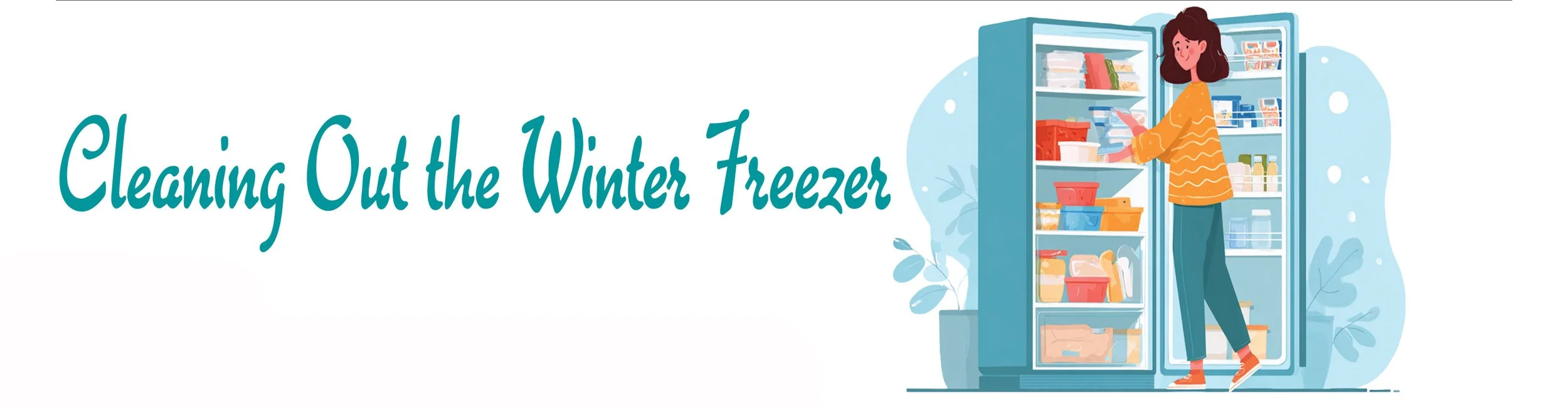
During the summer, when the growing season begins to bear fruit, it’s easy to make a few small batches of preserves as our produce comes in. But as the season ramps up, I usually end up with more than I can handle, and it gets minimally processed (or what I like to call “preserved in the raw”). By the time the growing season is all said and done the freezer is loaded with full-size tomatoes stacked between layers of freezer paper in a cardboard box, freezer bags filled with various berries, pounds of blanched veggies, gallons of frozen purees…you get the picture. But, as soon as I put the gardens to bed, we roll right into the hustle and bustle of the holiday season, and then I find myself staring down the coldest, darkest months of the year.
My favorite way to shed those “winter blues” is to shuffle down the basement stairs, open the freezer, and set to the task processing all those “raw” fruits and veggies. Nothing beats seasonal depression like a warm kitchen full to bursting with colorful, glittering jars filled with the gifts of the Earth.
Whether this article finds you in this scenario, or if it plants an idea in your head for next year, there are a few resources I want to share that have helped me over my many years of preserving.

First, a good cookbook is nothing to snuff at. My go-to preserving book is by the Ball Jar company called, the Ball Blue Book of Preserving. I’ve been using this cookbook for over 15 years now. It’s loaded with step-by-step instructions, tons of amazing recipes, and most importantly, their ratios and times are correct. I’ve attempted many recipes from plenty of other publications and often the ingredients aren’t proportioned correctly, or the timings are off. We have never had a bad batch from this book. It’s an absolute 10/10.
Next, sanitization should be your number one priority. Always clean your kitchen and equipment before each preserving run. If you’re canning, wash all your jars, rings, and lids with hot water and rinse them thoroughly. If you have a dishwasher, run them through the sanitation cycle, even if they are stored clean. The last thing you want is to have dust or pollen sour a batch of marinara sauce that took you three hours to produce.
Finally, this is something I learned over many years of gardening and preserving. If you weigh your produce out and log it into a notebook as you are packing it away in the autumn, you can plan better for preserving it in the winter. That way, before we even begin pulling things out of the freezer, I can sit down with my recipes and know exactly how much of each ingredient I need, as well as how many jars/freezer bags are needed. This way I’m not mid-canning and run out of jars or need to pause to go pick up more salt.
I always seem to end up with an overabundance of tomatoes, zucchini, berries, and pumpkins at the end of the season.

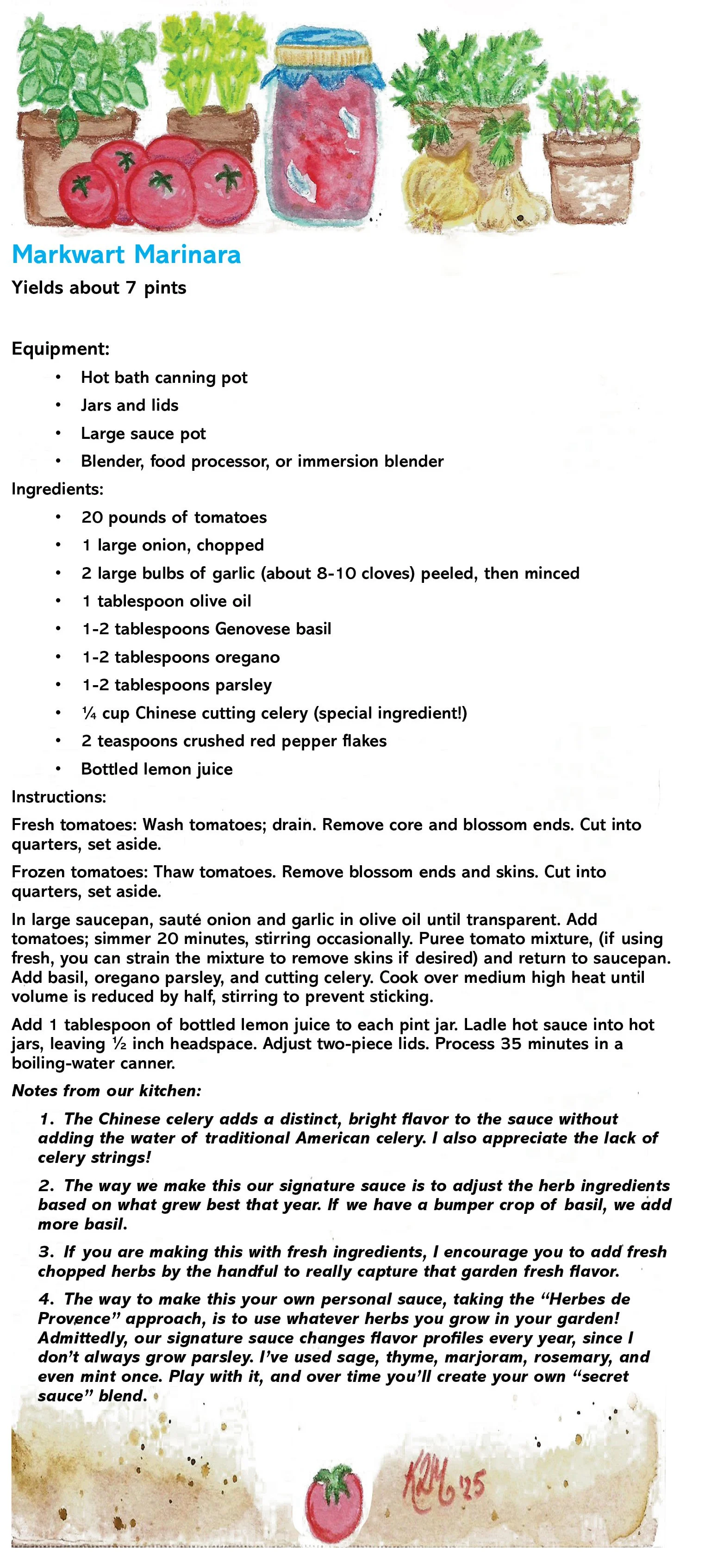
The earliest tomatoes are used in at least one batch of salsa, but the rest I just freeze whole and wait until the end of the season to process. Most of them get canned as whole tomatoes for soups, stews, and chilis, but before that we make a few cases of various tomato sauces. One of those is our family famous “Markwart Marinara.” What makes it special is our own blend of herbs that we grow here on our farm, and a secret ingredient that I’ll be sharing with you in the recipe below, as well as a few suggestions on how to turn it into your own signature sauce.
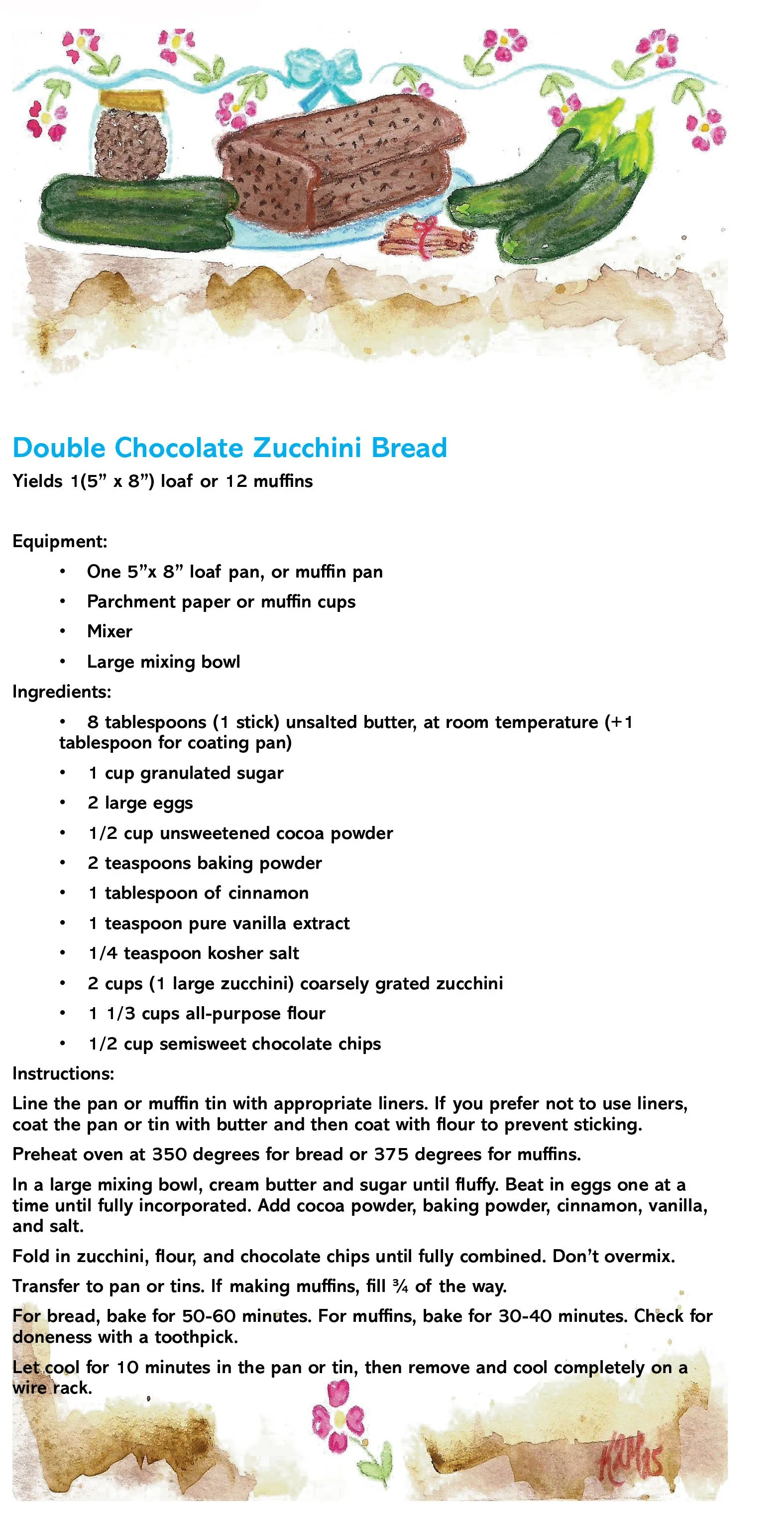
Early season zucchini is chopped up, blanched, and mixed into stir fry packages with eggplants, peppers, carrots, and onions. But those late-season, massive black beauties are steamed and frozen by the gallons for baking. Our son’s favorite is our Double Chocolate Zucchini Bread (another recipe I plan to share). What I love about this recipe is that it can be used as bread or muffins. We have even adjusted the flour ratio to turn it into cookies before.
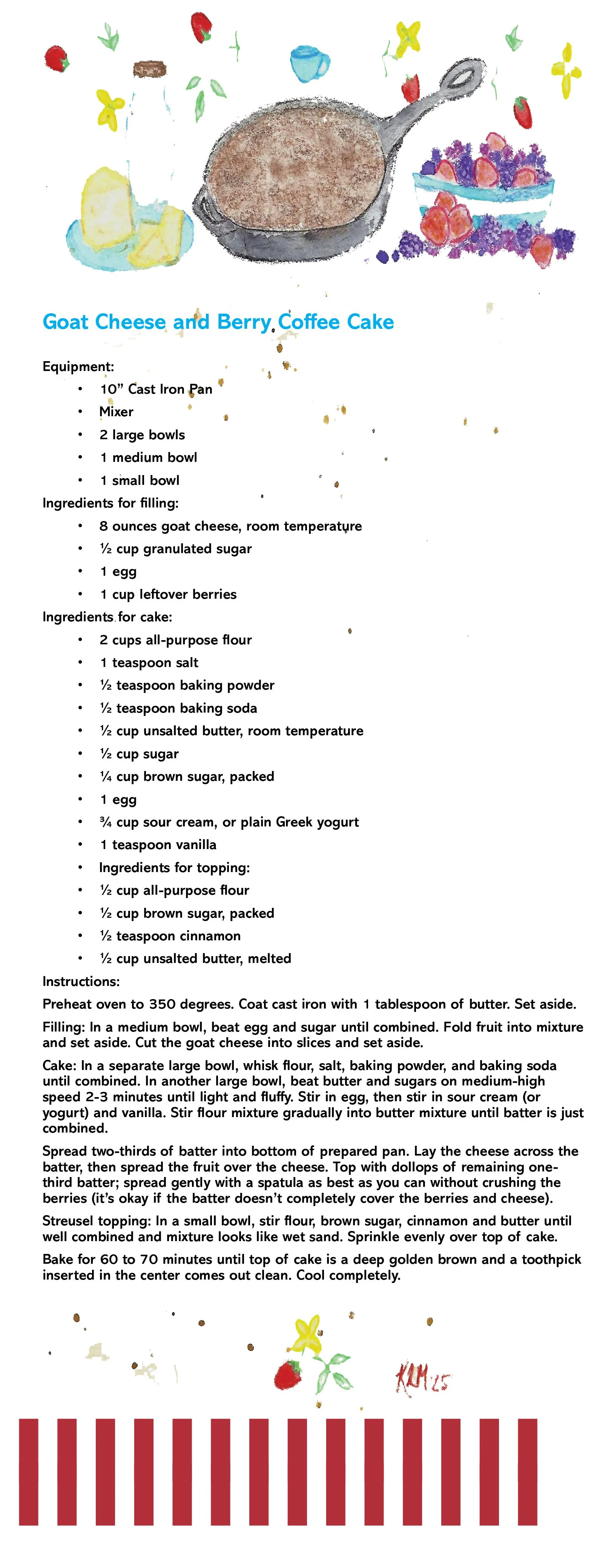
The berries that aren’t used fresh as they come in get frozen to be turned into jams, syrups, and preserves. We usually have bags of blueberries, strawberries, black raspberries, blackberries, and mulberries. Once each berry type is used in whatever recipes we decide, there is always a large bowl of mixed remnants. These leftover berries are combined with our homemade goat milk farm cheese and baked into sweet bread to create our Goat Cheese and Mixed Berry Coffee Cake.
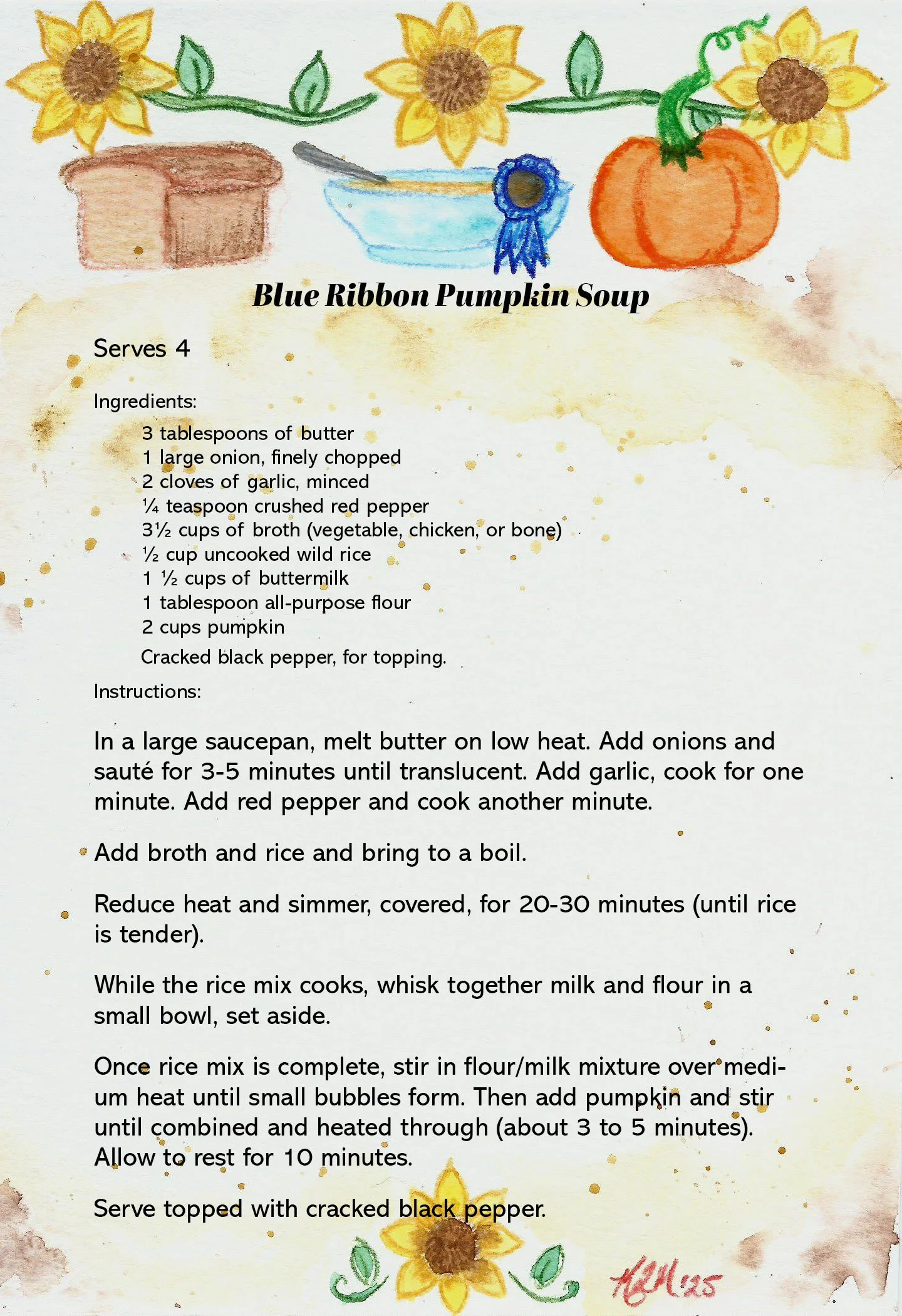
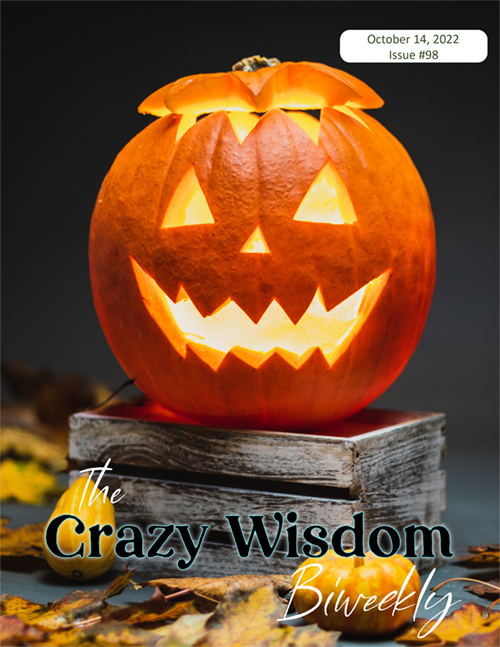
Lastly, we come to my garden favorite: pumpkin! I have a huge repertoire of pumpkin recipes I have either gathered or created over the years. Pumpkin and sage macaroni and cheese, pumpkin and barley soup, pumpkin pie cookies, pumpkin oatmeal, and pumpkin, sage and goat cheese biscuits. The list goes on and on! If you don’t steam and freeze your own pumpkin puree, I implore you to give it a shot! And when you do, try making my Blue Ribbon Cream of Pumpkin Soup!
Karen Quinn is a writer and artist who homesteads on a rural urban farm in Livonia, Michigan with her husband, son, and a menagerie of animals. Her favorite things are reading, exploring, and drinking tea.