

By Christy DeBurton, RYT
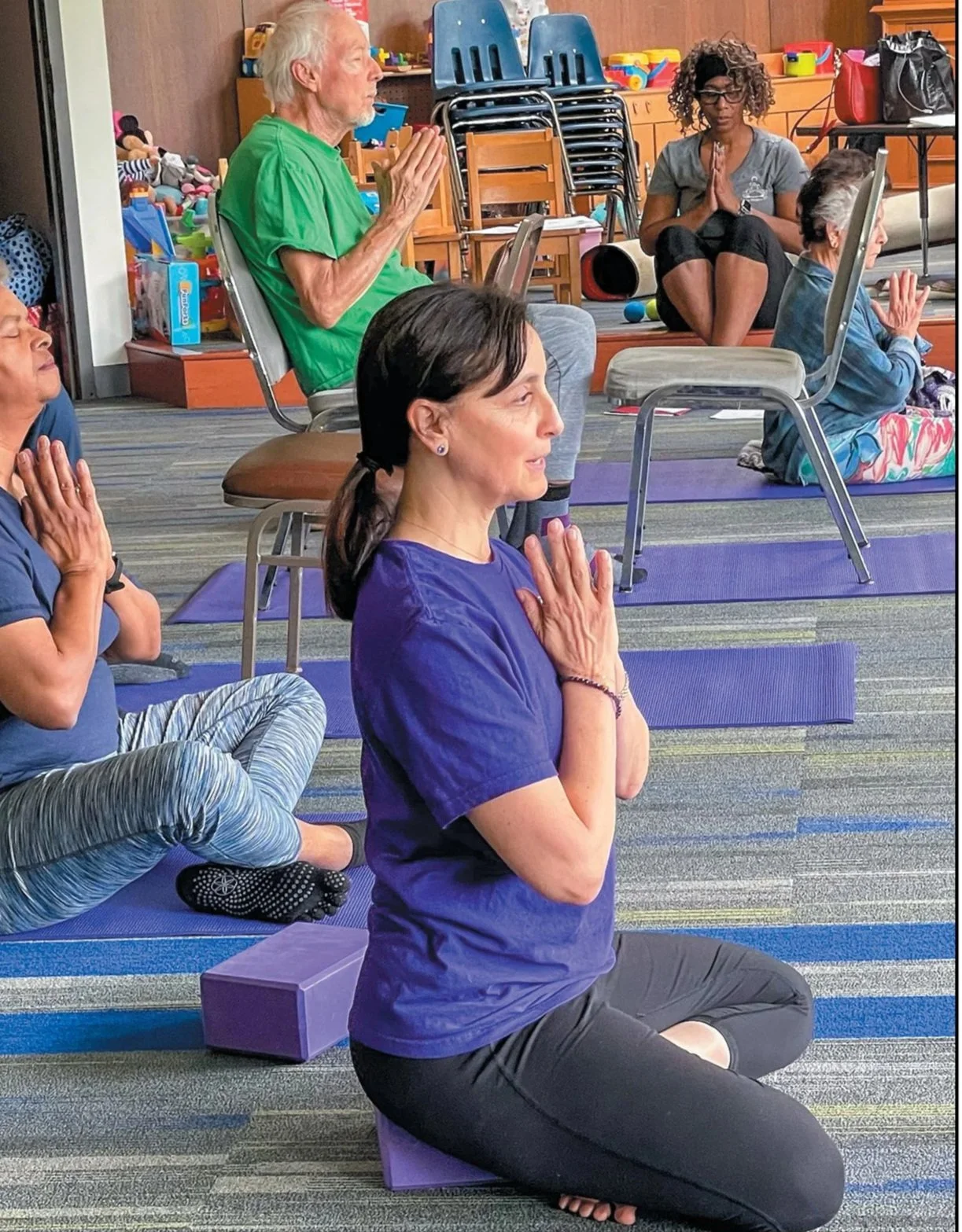
If it is important to you to remain strong, active, and thriving as you age, yoga can be one of your greatest allies. However, not all yoga practices are created equal, especially when it comes to aging well. So, what should you actually be focusing on in your yoga practice to support your body in a meaningful, sustainable way? Let’s take a closer look.
Why It Matters
Our biological aging is under more of our control than many of us think…which is great news. In fact, more and more research shows that our daily habits—how we move, eat, rest, and manage stress—play a significant role in how our bodies function over time. While many people focus on lifespan, or how long we live, what may be even more important is health span (the number of years we remain healthy, capable, and able to fully participate in life).
A thoughtful yoga practice can help support that goal by building strength, mobility, balance, resilience, and body awareness—all of which become increasingly important as we age. Here are some of the most important areas to focus on to create a yoga practice for empowered aging:
Strength, Core Stability & Balance

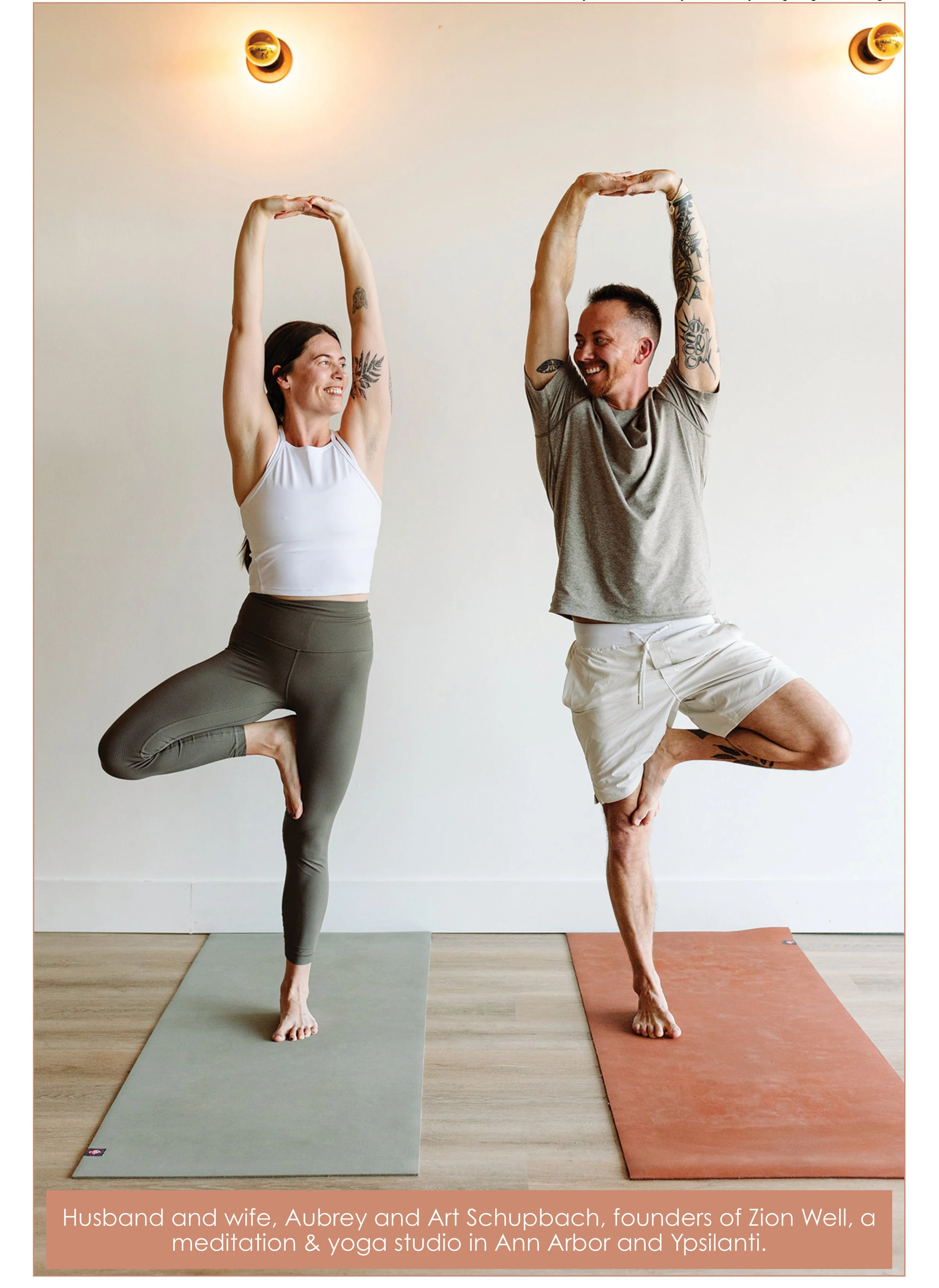
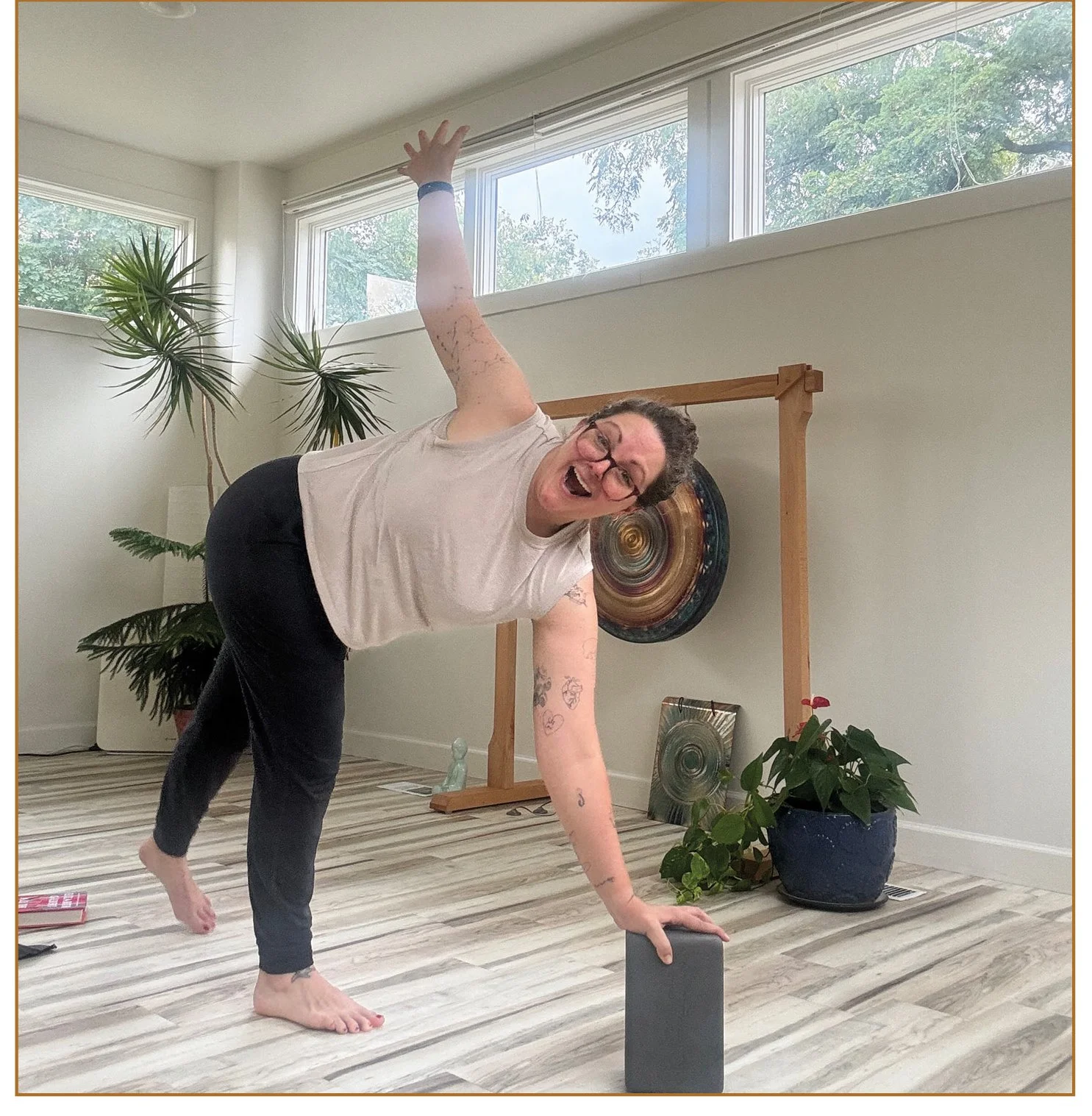
Strength training becomes increasingly important as we age, particularly for maintaining muscle mass and supporting our joints. While many people may think the only way to build or maintain strength is by lifting heavy weights at the gym, in yoga we can use our own body weight for a similar effect. A well-designed, mindful Hatha or Vinyasa yoga practice that focuses on holding poses like planks, standing poses, and balances (for at least a handful of breaths and up to a minute at a time) can help build strength, improve balance, and reduce the risk of falls and fractures. Adding a good dose of core strengthening poses will help support your spine, improve posture, and even help with pelvic floor health. (Yes men, this is important for you, too.) I have even been known to use light hand weights and resistance bands in my own yoga practices for a little variety and extra strengthening.
Mobility & Flexibility
Stretching muscles to increase flexibility often gets the spotlight in yoga, but what is even more beneficial is functional mobility—the ability to move your joints safely and efficiently through their full range of motion. This includes caring for your fascia (connective tissue), which can become stiff and restricted over time if not regularly hydrated through movement. While a mellow Yin yoga practice full of stretching poses can help with this, I like to add in some gentle dynamic postures (synchronizing breath and movement as you flow through two postures repetitively) to decrease stiffness and aid in greater mobility.
Circulation & Heart Health
Consistent movement—whether it is gentle or more strenuous—supports cardiovascular health, improves circulation, and can help regulate blood pressure. To help prevent hypertension, do a mix of dynamic yoga poses for increasing good circulation and static poses that increase your heart’s workload. Add yogic breathing techniques and supported inversions that help decrease blood pressure and heart rate. If you already have hypertension, I recommend staying away from hot yoga, as heat and dehydration can increase blood pressure. Also be mindful of holding static poses too long and find gentler modifications for extreme inversions. A good example would be choosing Legs Up the Wall instead of Shoulder stand.
Detoxification
Our yoga practice should also support our body’s natural detoxification processes which can become less efficient with age. Dynamic yoga poses that synchronize breath and movement aid our lymphatic system which relies on physical activity to circulate and remove waste. Additionally, yoga practices that support sleep play a role in the glymphatic system which helps clear waste from our brain overnight. A mellow Yin or Restorative yoga practice can help prepare your body for a good night’s sleep.

Nervous System Regulation & Mental Well-Being
Perhaps one of yoga’s most powerful benefits is its ability to calm the nervous system. Breathwork, mindful movement, vagus nerve exercises, and meditation can help reduce stress, improve emotional resilience, regulate our nervous system, and support overall mental health. This becomes especially important as we navigate life transitions, hormonal shifts, health issues, and other challenges that come with aging.
A Sustainable Approach to Yoga
Many yoga classes are designed for younger bodies. They often move quickly and emphasize intensity over awareness. But as we age, what our bodies need is a practice that is slower, more mindful, sustainable, and suited to our season of life. Please note, this does not mean it is necessarily “easy.” Find a class or work with an instructor privately to create your own practice that incorporates the following:
Moving with awareness instead of speed
Building strength without strain
Honoring your body rather than pushing past its limits
Prioritizing consistency over intensity
A focus on alignment and breath
A practice that feels energetically supportive, not depleting
Permission to adapt your practice to your body’s needs
With this approach, your yoga practice becomes a tool for long-term health and vitality and can help you continue doing the things you love for years to come.
Christy DeBurton, RYT, is a Yoga + Wellness Educator in Ann Arbor who is passionate about helping people create yoga practices that truly support them through every stage of life. Learn more about yoga for empowered aging on her website at yogaroomannarbor.com. Have a yoga or wellness question? Email Christy at info@christydeburton.com.
Read Related Articles:










































































































































































If it is important to you to remain strong, active, and thriving as you age, yoga can be one of your greatest allies. However, not all yoga practices are created equal, especially when it comes to aging well. So, what should you actually be focusing on in your yoga practice to support your body in a meaningful, sustainable way? Let’s take a closer look.