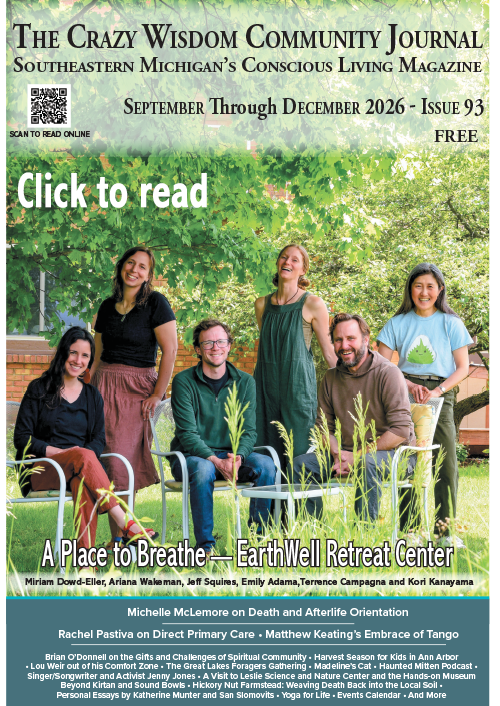
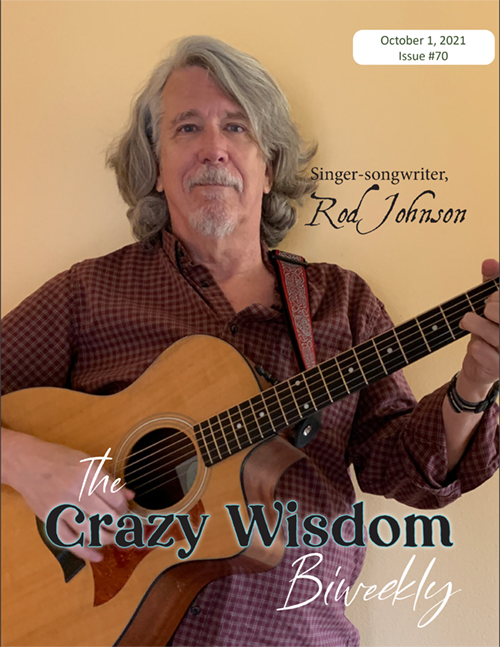
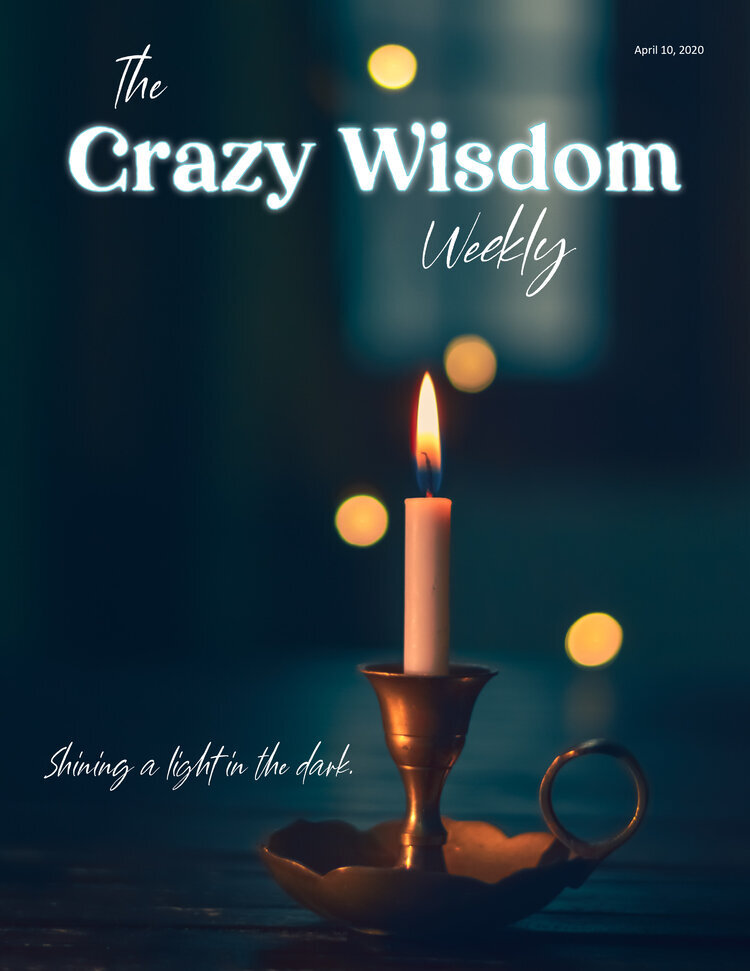
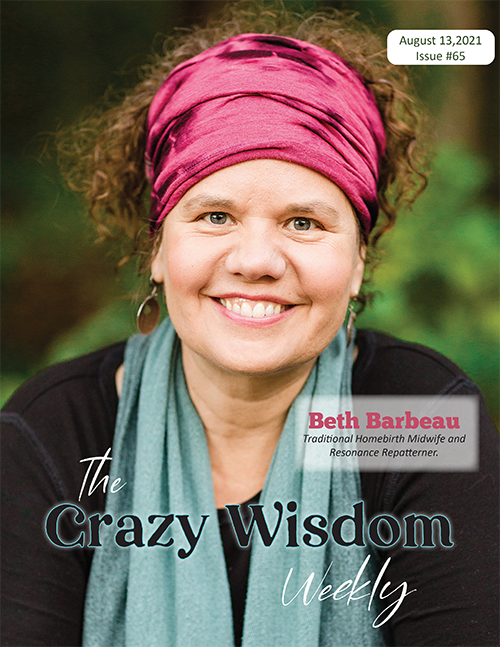
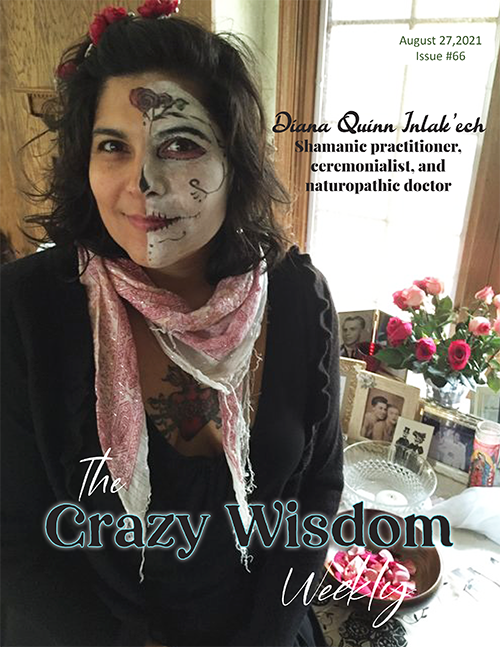
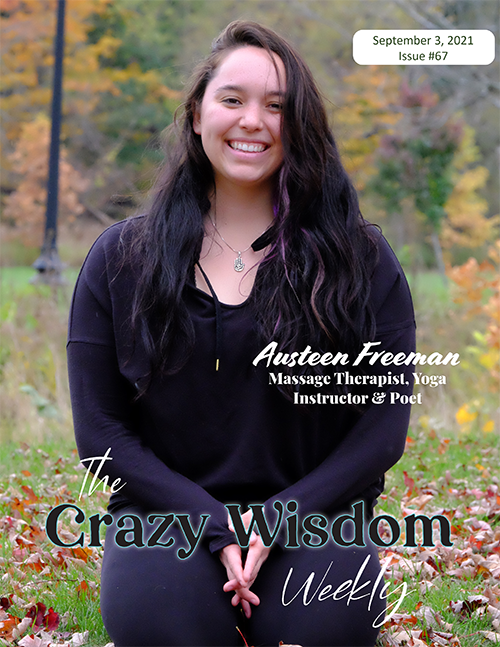
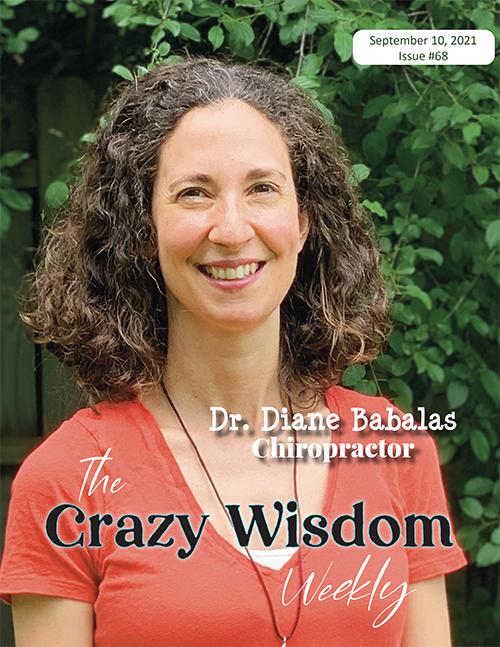
Support The Crazy Wisdom Community Journal by supporting our advertisers!
To Crazy Wisdom Community Journal’s Readers and Advertisers –
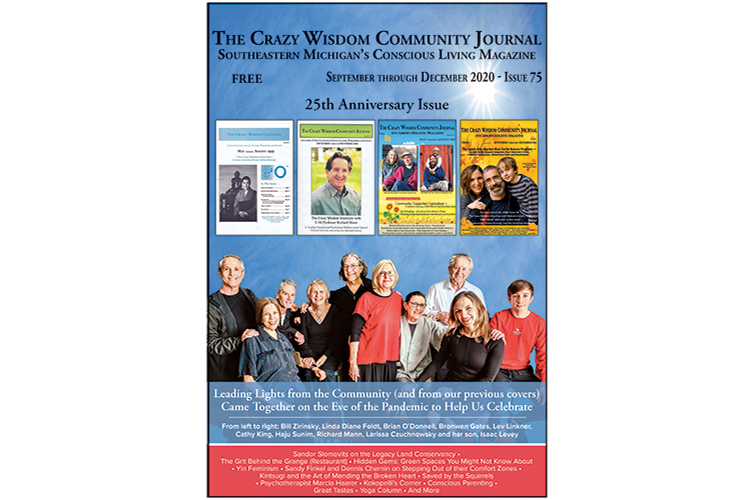
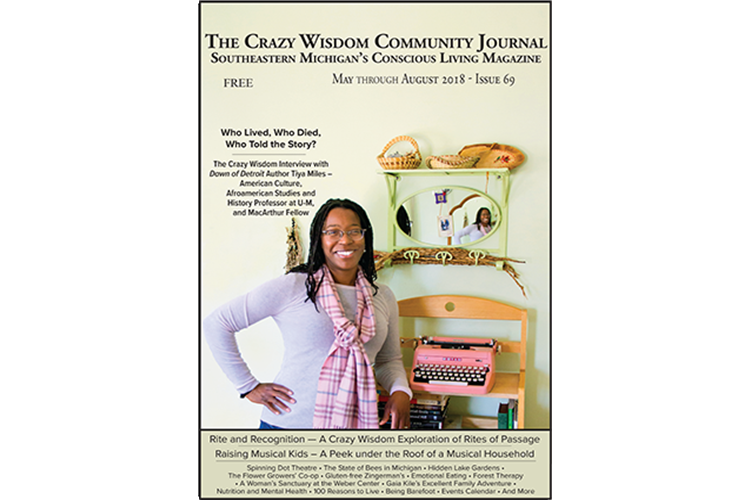
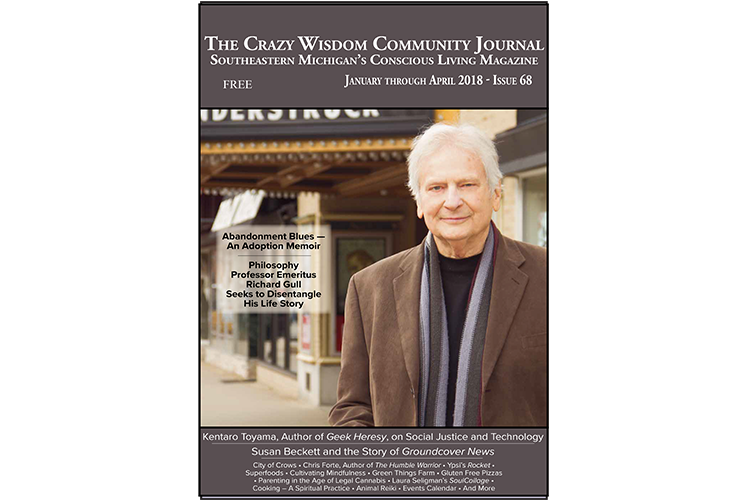
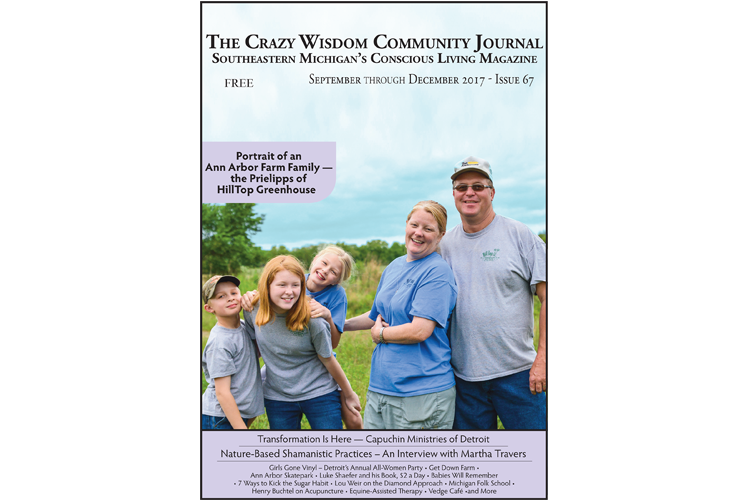
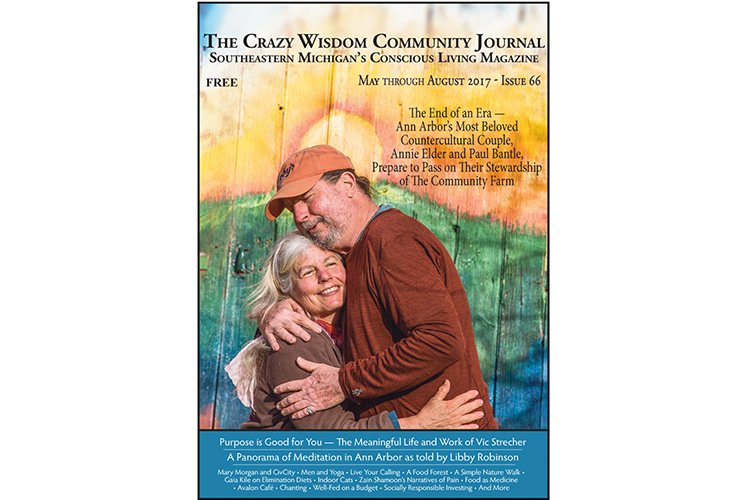
In the spirit of responding in a practical way to what is happening, we have postponed the publishing of our Spring/Summer Issue (May thru August 2020 – Issue #75) due to all the reverberations and fallout from the Covid-19 Pandemic. Our editorial content is all set to go, but so many of our advertisers are closed for business currently, and they’ve asked to postpone their advertisements. Additionally, so many of our 235 local/regional distribution spots are closed that we wouldn’t be able to distribute most of our 11,000-copy print run.
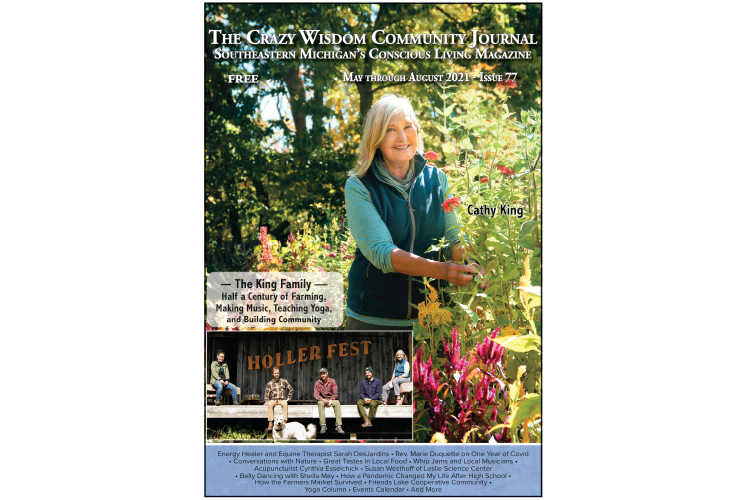
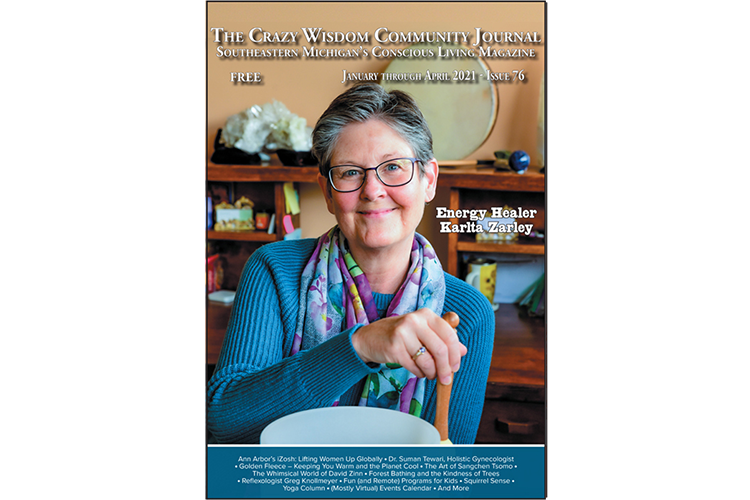
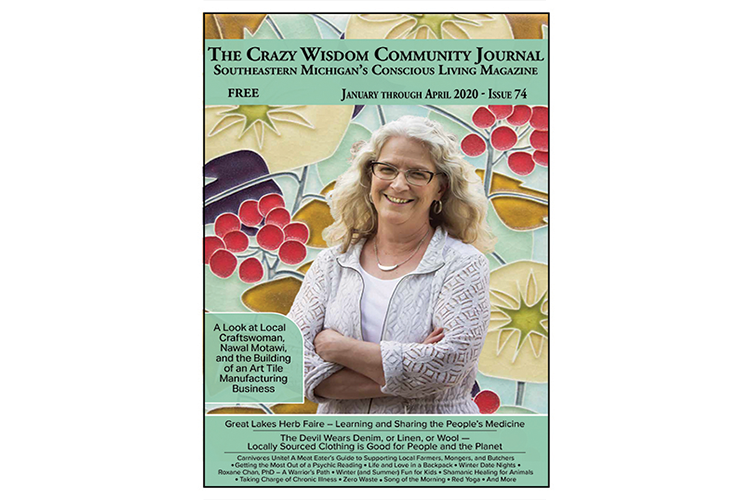
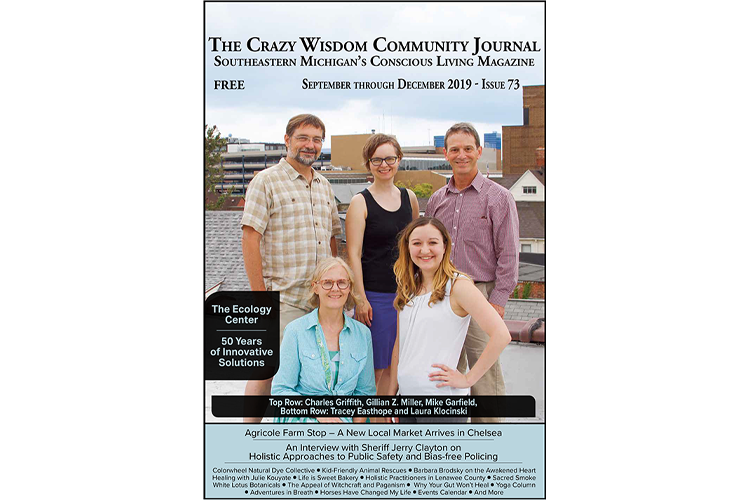
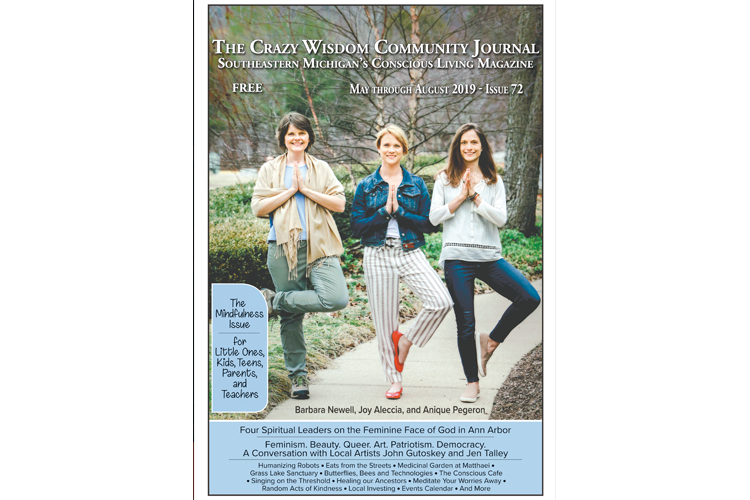
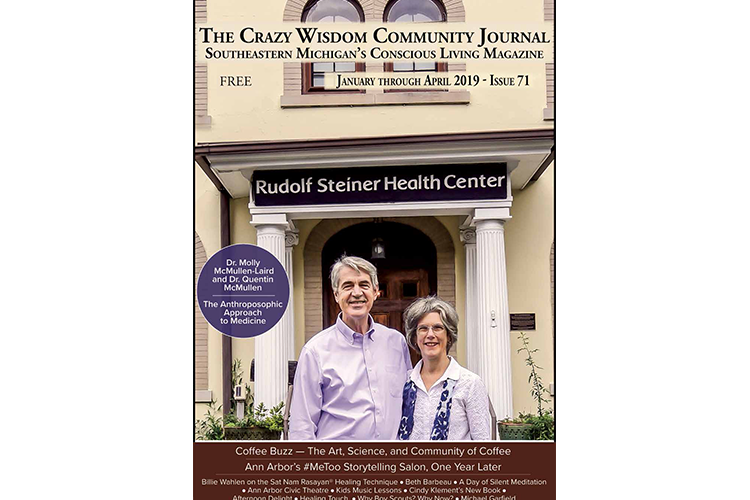
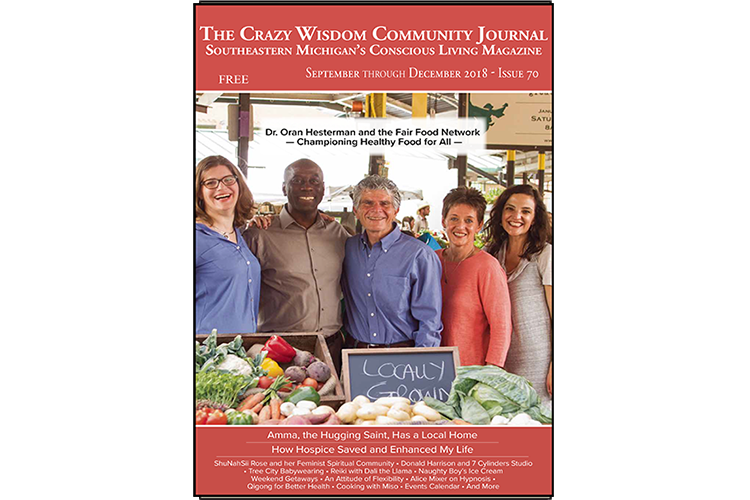
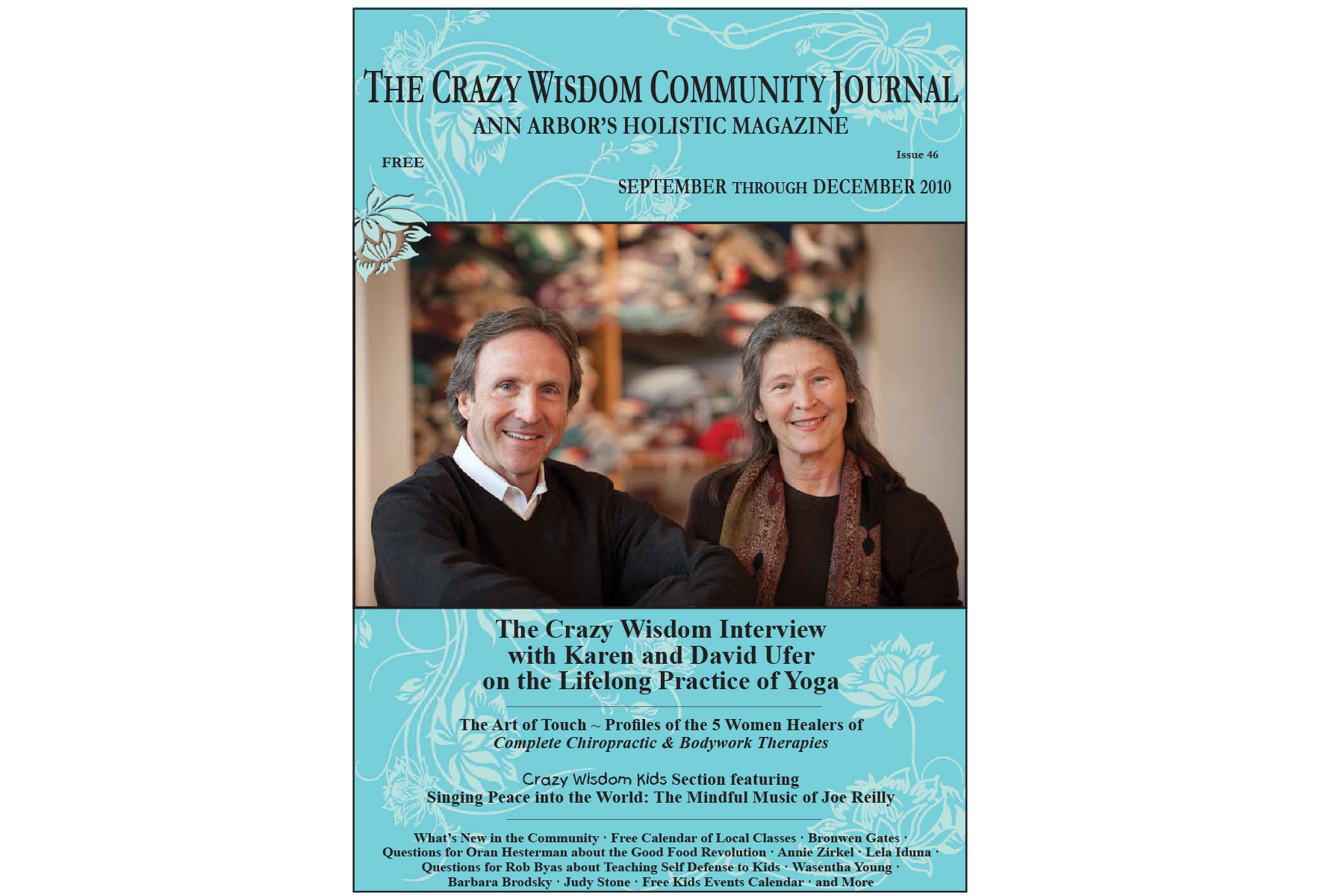
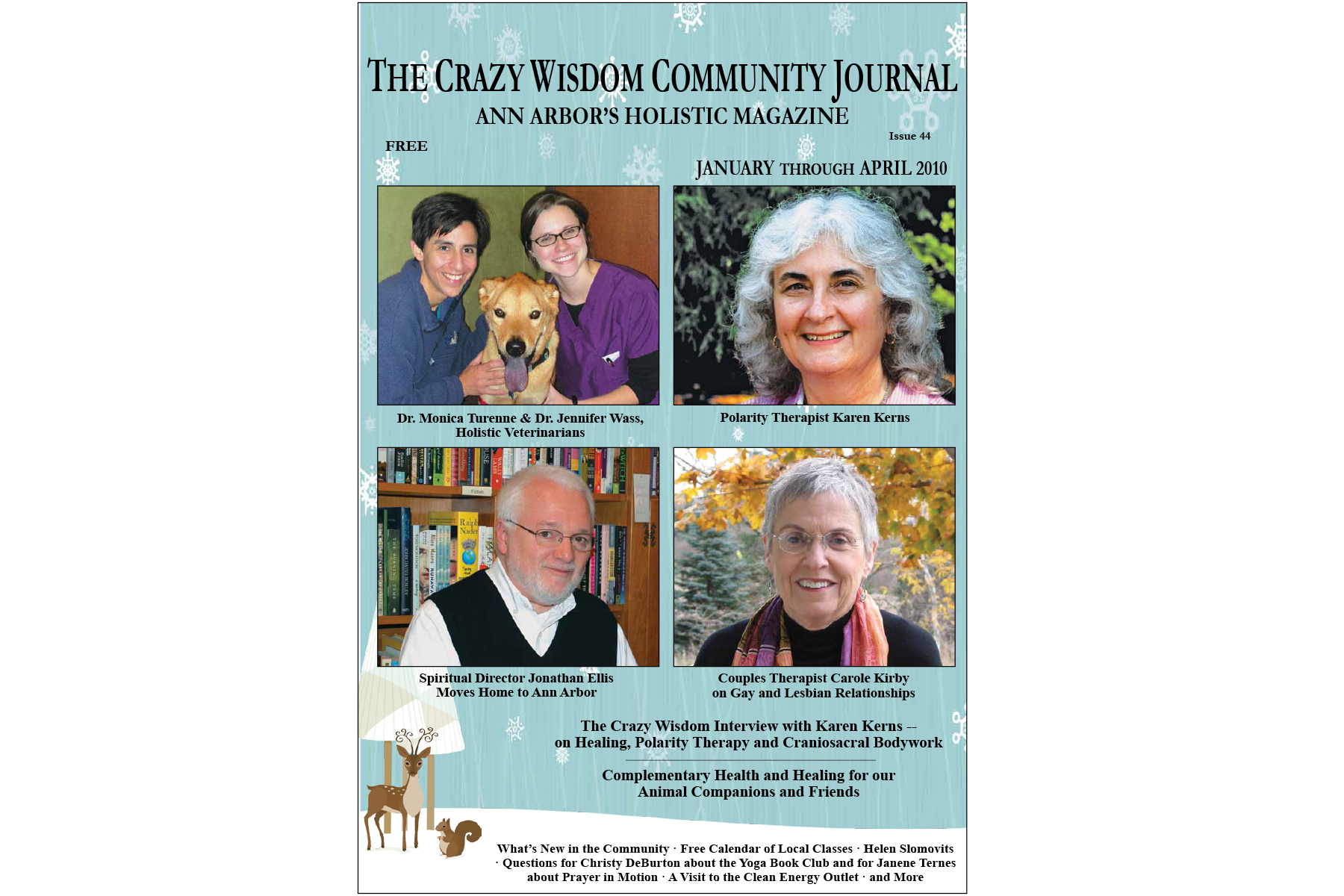
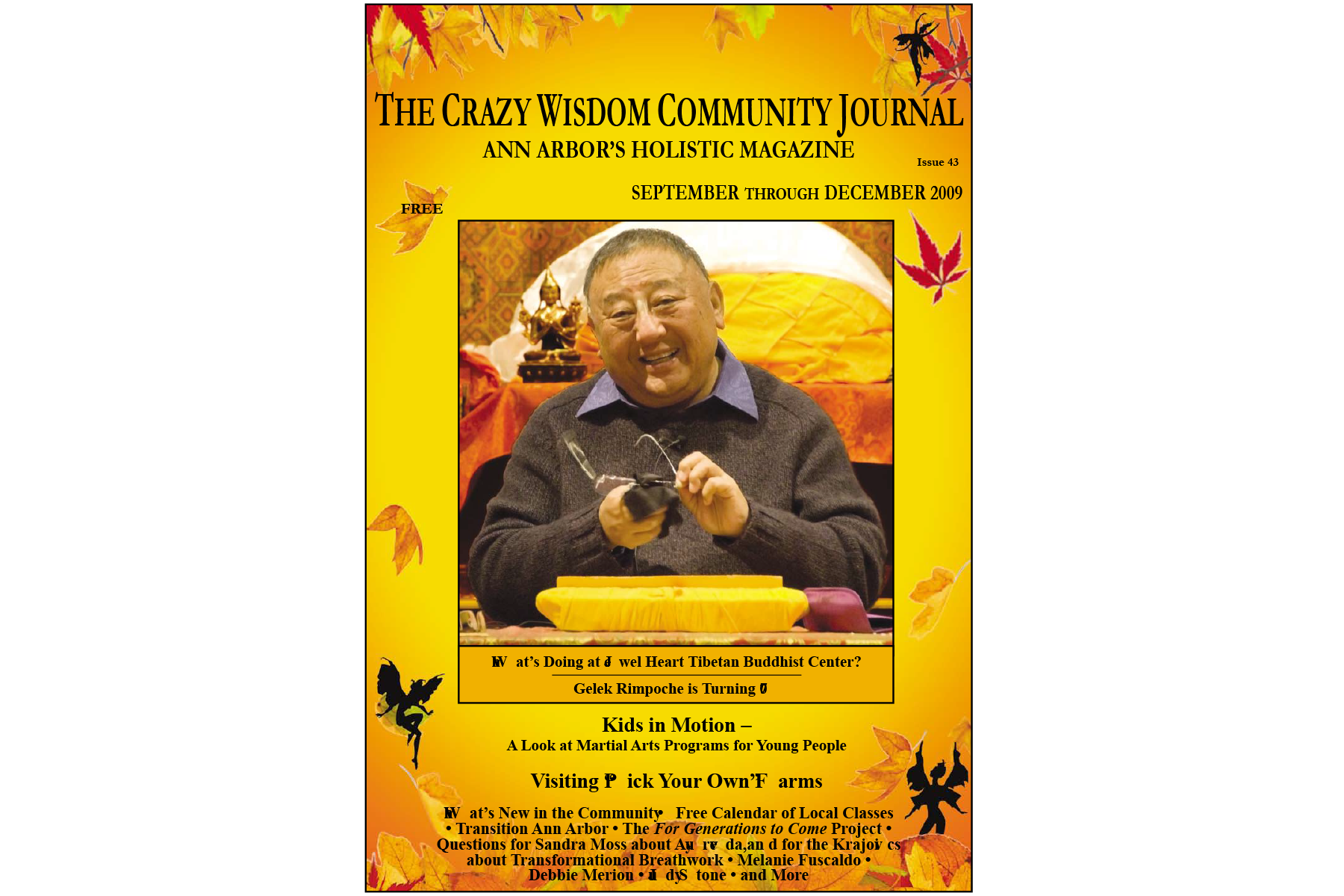
Features from our Winter 2020 Issue
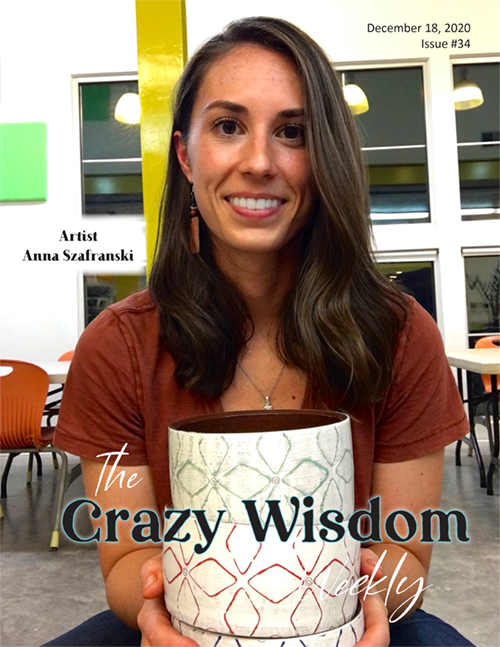
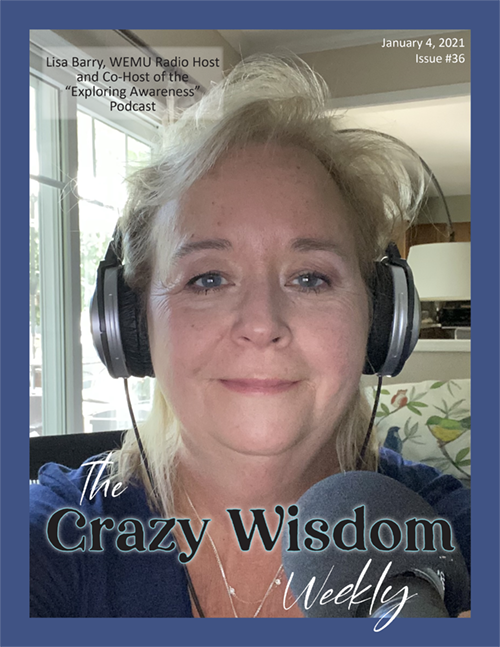
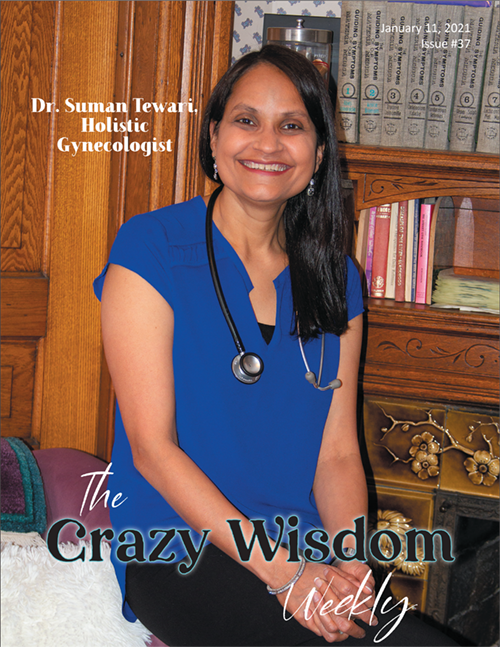
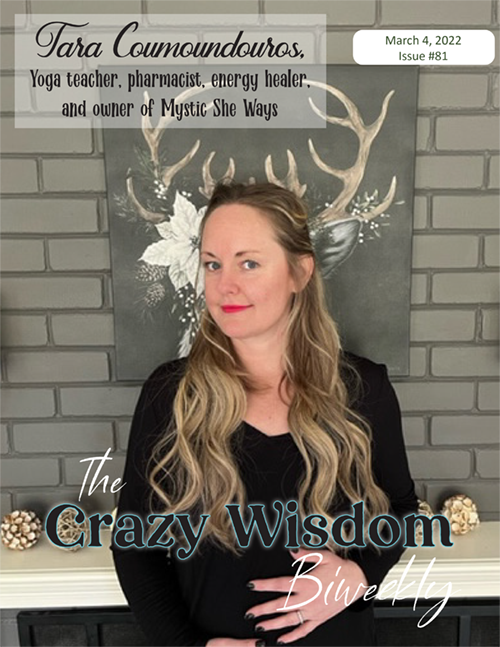
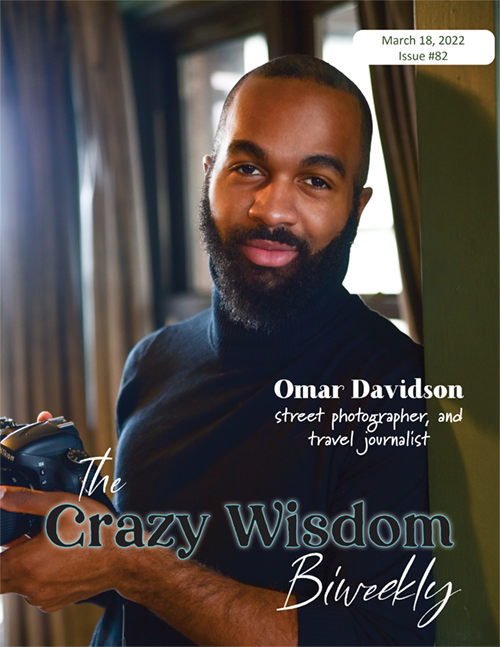
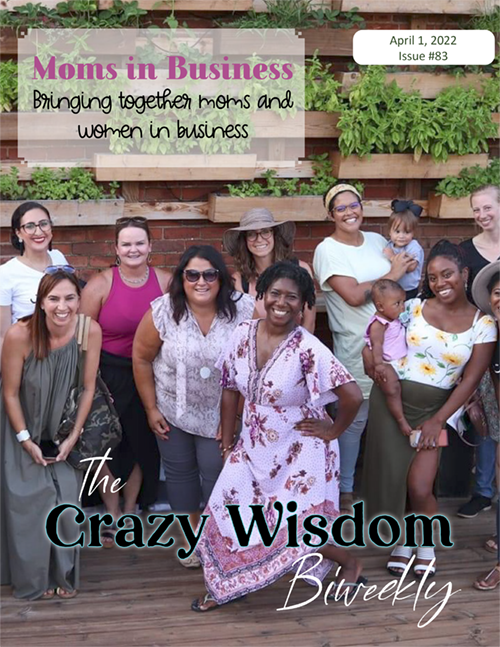
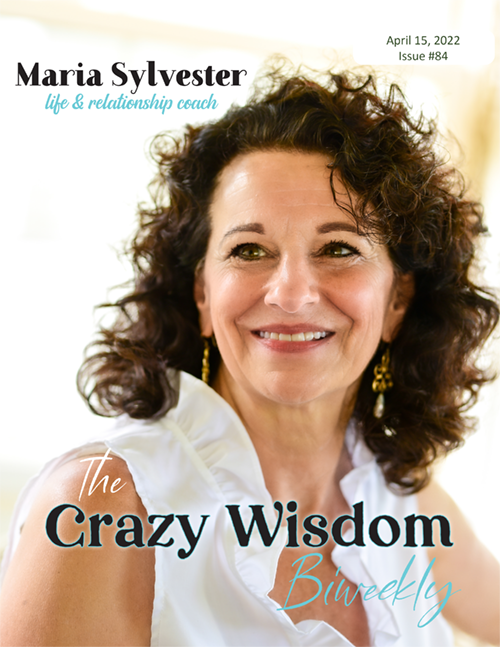
We are so appreciative for our advertisers in each issue, and you should be too! They help keep The Crazy Wisdom Community Journal FREE in print and online. Please support them by clicking on their ad below to find out more about their services.
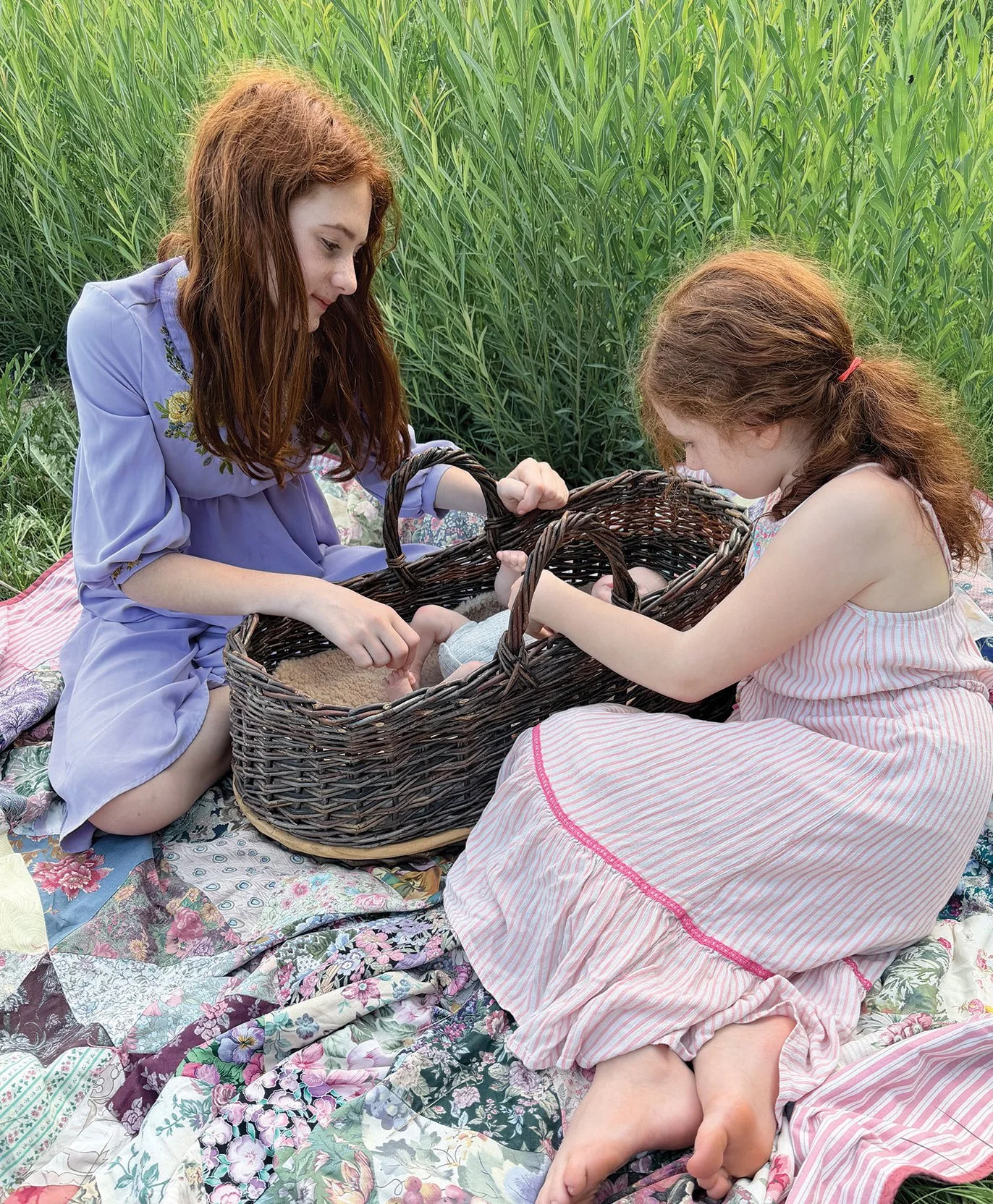
Before the calendar changes, before the jackets disappear, before adults agree that winter is finally over, kids start pointing things out. The light looks different. The sidewalk feels warmer. The air smells like wet dirt, not cold metal. Something has shifted, even if no one can quite name it yet. In Ann Arbor and surrounding areas, spring reveals itself in small, almost secret ways—and those clues teach kids something important about the world and about themselves.
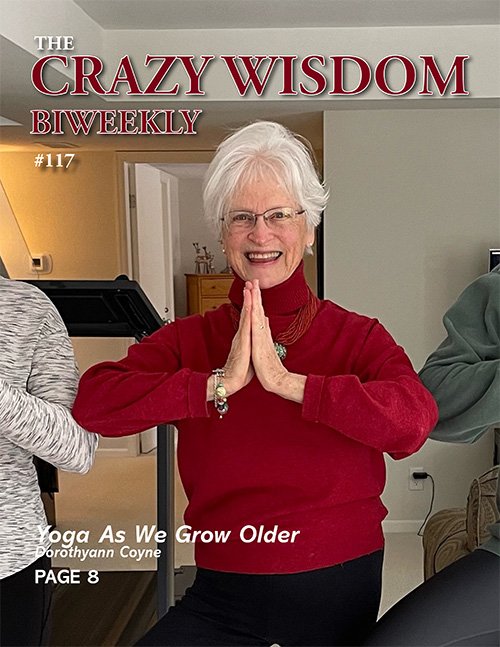
Mindy Eisenberg founded Yoga Moves MS, a nonprofit adaptive yoga organization, over 20 years ago, providing free classes to those impacted by multiple sclerosis, Parkinson’s disease, and other neuromuscular disorders. Her inspiration? Growing up with a mother with multiple sclerosis who spent the better part of twenty-seven years in bed paired with a profound belief in the healing impact of a regular yoga practice.
Meet Renata Portes, creator of The Universe Stuff; a holistic, creative brand of candles, teas, Reiki, tarot, and more. Originally from Brazil with a background in law, Portes found herself drawn to bring light and healing to people during her transition to life in the United States.
Do you love watching cooking shows on T.V.? I admit, it is a guilty pleasure of mine. One of my favorite things to watch is the BBQ competitions. I enjoy learning about all of the unusual ways you can grill meat, poultry, fish, vegetables, and even fruit.
It’s easy to believe we are protected, loved, and supported by the divine when life is going well. But what about when we are treading in troubled waters and the tides threaten to sweep us out to sea? Thrashing in the waves, struggling to stay above water, sucked into the deep, our breath catching in our lungs— and the darkness finally overtakes us. That’s a different story. So, how do we keep the faith even when we feel abandoned?
There was a clear absence in Southeast Michigan for a Buddhist perspective on death and dying. Most large metropolitan areas in the West, by which I mean Europe and North and South America, offer Buddhist hospice services, both medical and nonmedical. At this point, Gentle Ground Hospice and Grief Support is nonmedical. We are also non-denominational. Secondly, our team has the experience and passion to help fill this void. Besides Buddhists, we cater to atheists, agnostics, Christian curious, anyone really. By the way, we will never try to convert anyone.
A few years ago, early on my path toward healing, I had a therapist who told me that the body often acts out our subconscious drives and desires, and that if we watch what our body does, we can unlock fresh understandings of what we believe, what we want, and what’s holding us back—the unhelpful patterns, the edges we’re avoiding, the cages we’ve unwittingly locked ourselves in.
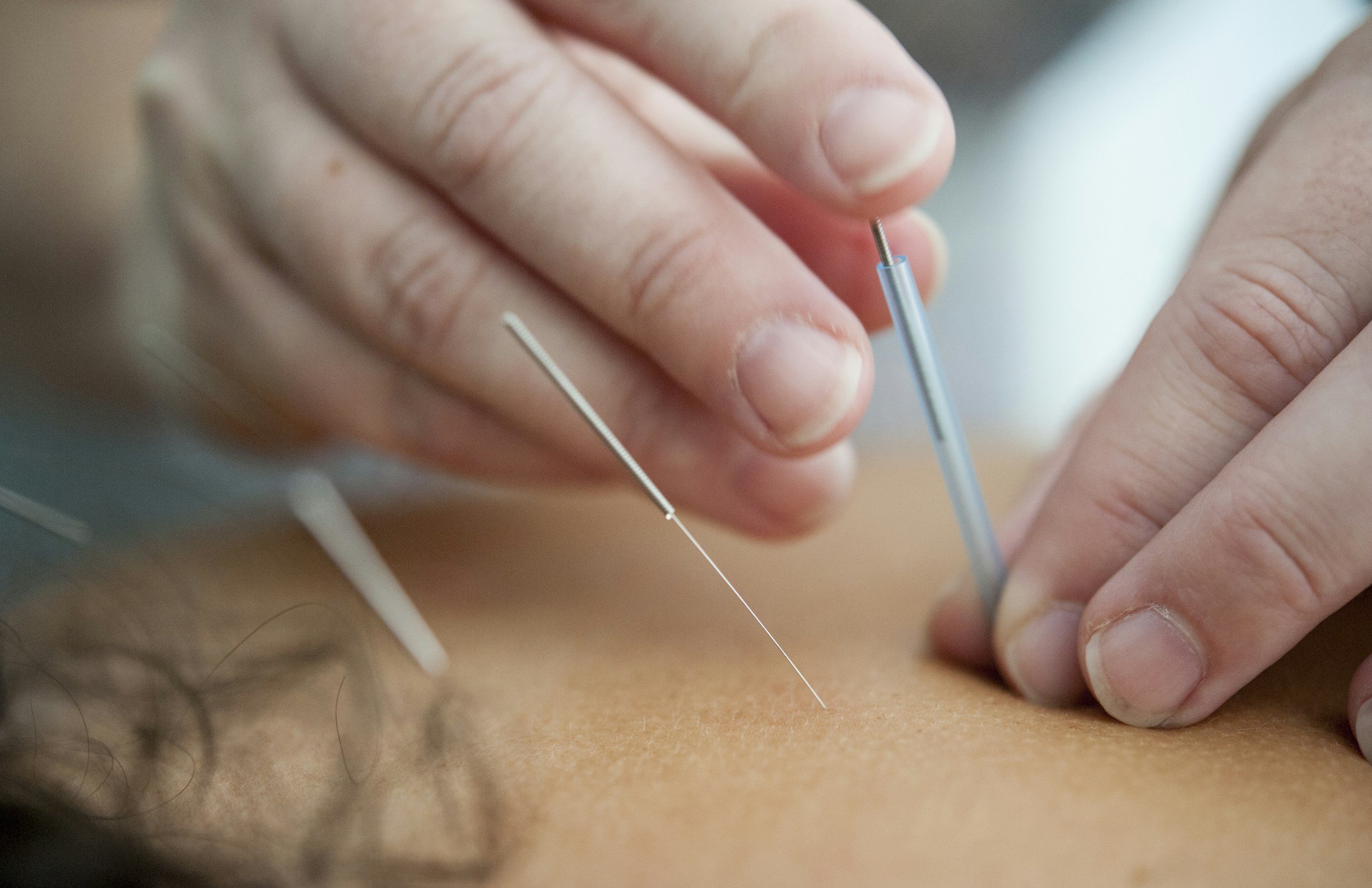
Persistent daily pain is a diagnosis that has unfortunately increased over the past decade in this country. Sometimes the source is known, but oftentimes, the etiology remains a mystery. As physicians, we wondered why some patients skate through life with very little pain and why others find themselves reaching for the Advil every day.
Posts from our Blog
“Omaha Beach was one of the five main landing areas during the Allied invasion of German-occupied France on June 6, 1944 (D-Day). It was the most heavily defended and deadliest of all landing sites, with roughly 2,400 U.S. casualties out of 34,000 troops. Today, it is a place for reflection with memorials and the nearby American Cemetery.”
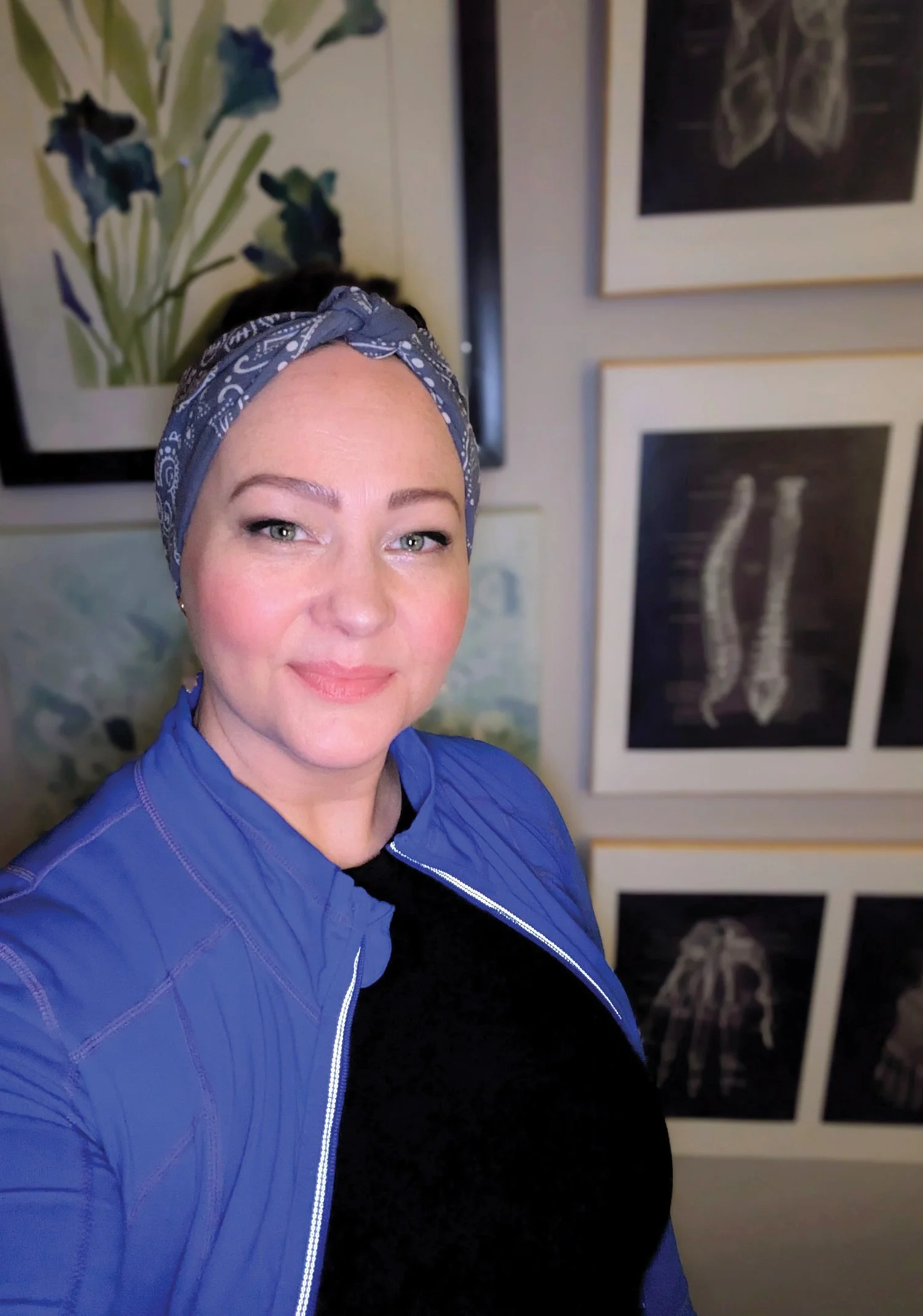
When I was in my mid-20s, I had a brush with cancer. The diagnosis led to a series of tests and seemingly endless appointments with various specialists. I sat in waiting rooms, awaited results, scheduled further appointments. My art at the time reflected my feelings of being poked, prodded, and reduced to a numbered specimen. I’d never before faced surgery, and the night before the procedure, I laid awake, contemplating my mortality.
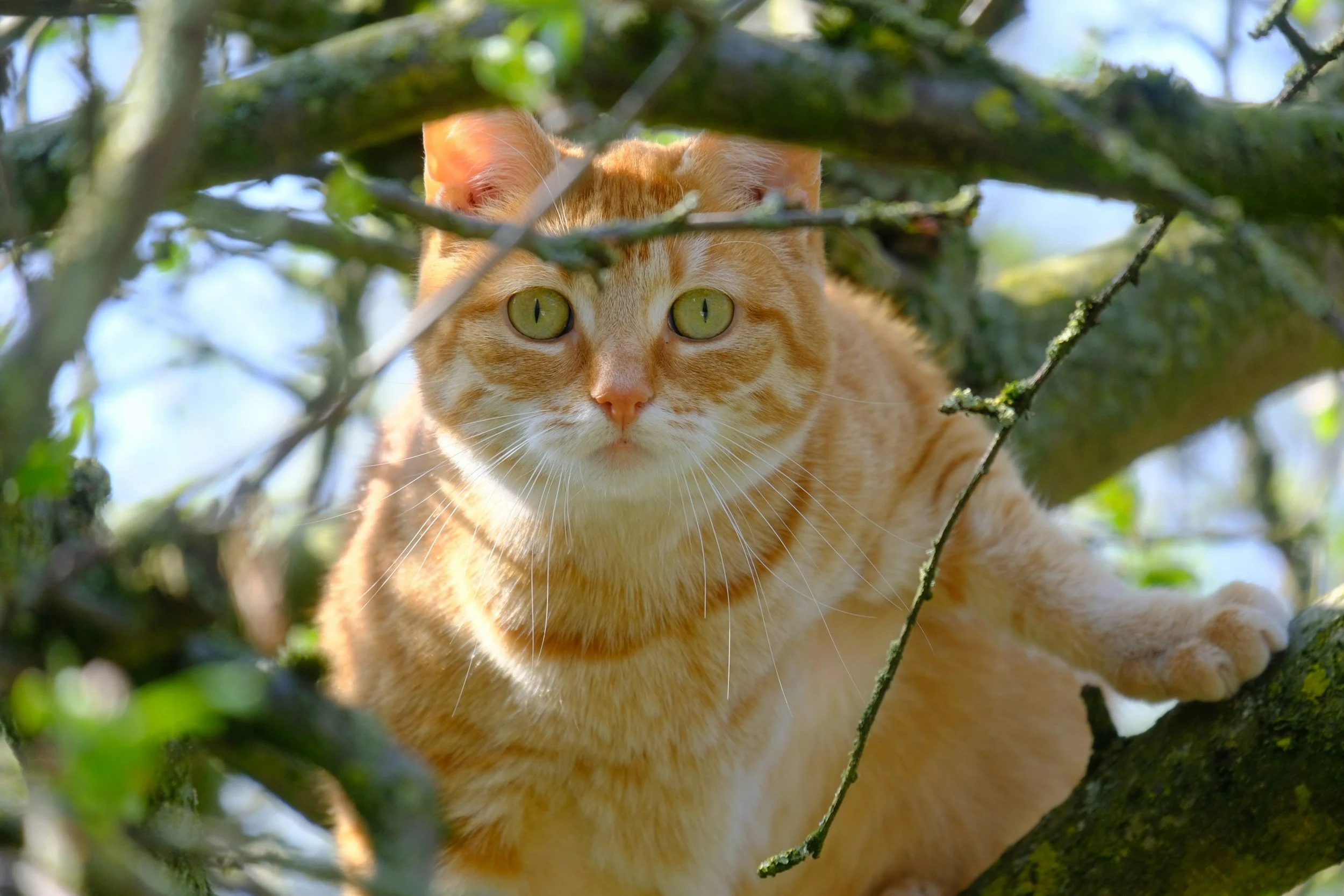
Recently I went to the PTO Thrift Shop on South Industrial in Ann Arbor, and parked way in the back next to the railroad tracks. Returning to my car, I spotted a feral, long-haired orange cat perched on a piece of discarded concrete. We were only eight feet apart, but there was so much brush and junk between us that she felt safe enough to stay where she was.
The first person who called me “Mom,” was born over half a century before me.
His name was Raymond. Deemed unable to make his own decisions, he became an adult ward of the state after his parents and close relatives passed. Unlike a child who learns whom to call mother, Ray asked my permission. When I paused, he explained with choppy speech and teary eyes that he missed his mom and knew it was pretend.
Then came the day when I got home from work and found just a few shreds of mangled stems and leaves. One of the groundskeepers had managed to find the only healthy green plant in sight on that early spring day, and he decided it must be a weed. (Even though it was inside my patio fence at the base of a trellis for the vines to climb on!)
One type of activity I’ve been thinking a lot about lately is something I’ve decided to start calling “Rituals of Care”—those activities we do that include a certain care component—that is some aspect of the labor that feeds into something greater than what it does, in a practical, applied sense, for you.
As I turned back to my book, I heard a tap on the window. I stiffened, imagining an ominous creature lurking outside, knocking on the pane. Just as I relaxed, assuring myself the wind was blowing rain against the glass, there was another tap. With caution, I approached the window and peered out into the storm. Lightning flashed, illuminating the face of my friend. Smiling, I opened it to let him in. Instead, he encouraged me to follow him out, into the storm.
While delicate and beautiful, ice is powerful and merciless. Trees bent under the increasing weight, resembling our own huddled bodies as we snuggled under quilts. We gasped at the sound of wood groaning and splitting, and we watched a large branch fall to the frozen ground below. Tiny twigs snapped and tumbled toward the arms of their mother branch, scattering ice across the yard. Raising our gaze to the top of a giant cherry, we studied the space where the large branch let go, looking for other branches that might follow.
This popular missionary saint is best known for introducing Christianity to pagan Ireland during the 5th century AD. I thought it would be interesting ask the Irish Fae (aes sidhe) for their viewpoint on the massive cultural changes resulting from Patrick’s work, which disrupted ancient relationships between humans and the many species of fae folk.
Inspired by Louisa May Alcott's 'I am not afraid of storms, for I am learning how to sail my ship' from Little Women, reflections on my Polish grandmother's enduring wisdom, sewing as mending metaphor, family moments in snowy February, and finding hope amid change and loss.
When Juana Mancera graduated from the University of Michigan in December 2025, she decided that if she was going to face the daily grind, she might as well be the one choosing the beans. Sick of working for other people, sick of climbing a corporate ladder, Mancera opened Kultura, a mobile coffee-music pop-up, or as she explained it, “coffee, culture, and speakers on wheels.” The hottest thing in town isn’t just the caffeine, it’s the electric blue cart and the heavy bass vibrating through the steam of your new favorite cuppa joe. Meet the coffee experience that’s treating the local caffeine scene less like a transaction and more like a pop-up party.