By Katherine Munter
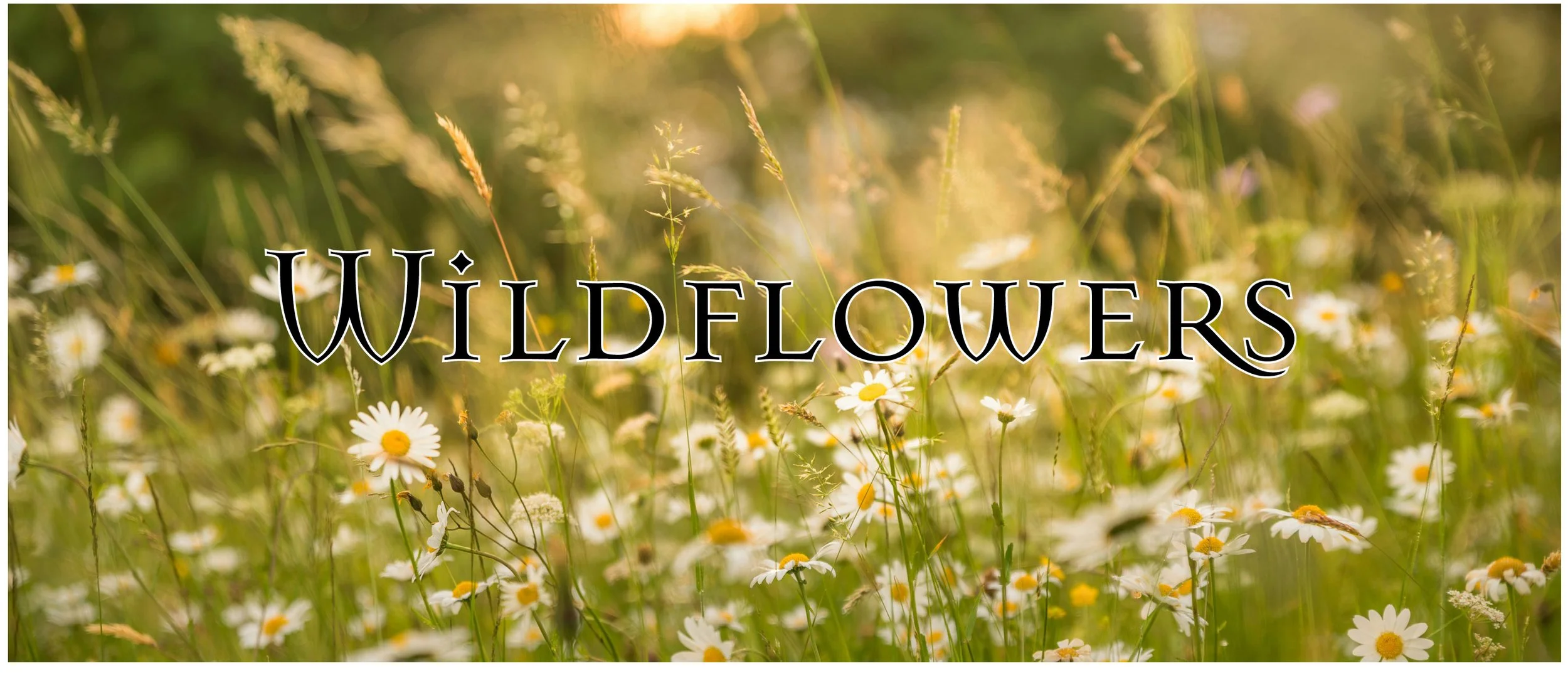
“You belong among the wildflowers
You belong somewhere close to me
Far away from your trouble and worry
You belong somewhere you feel free”
-Tom Petty
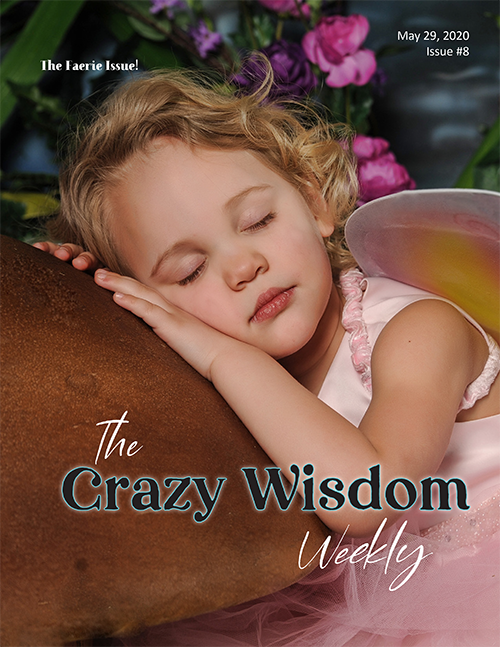
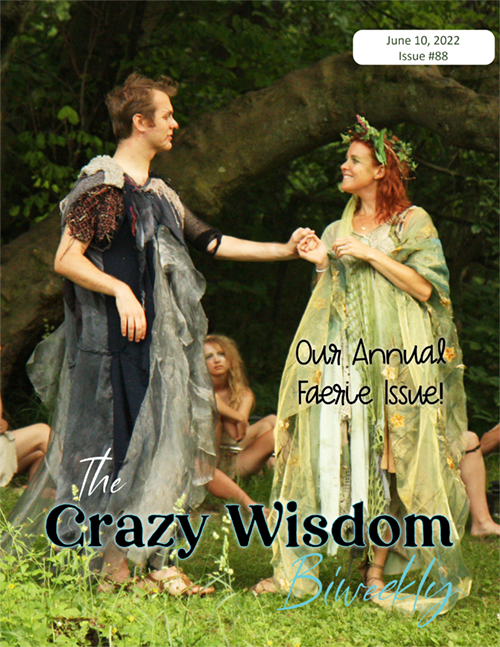
As my great Aunt Wanda braided wildflower stems together, her hazel eyes sparkled and a mysterious, yet playful, grin danced across her lips. She told me stories of wood fairies, who were shy and hidden just out of our sight, yet deeply inquisitive and always listening. She described them as gentle yet volatile, delicate yet strong. They were connected to the woods and nurtured plants and forest creatures. Their protective nature also came with quick tempers; they would play tricks on those who were greedy or destructive.
Wanda wove in a different flower every half inch, so that only the flower heads showed. She told me the fairies were happy to share flowers, but you must take them sparingly, being careful not to disrupt the flow of the meadow or garden. I watched in awe as she used her nails to slice through a stem. When I struggled to do the same, I gripped the main stem and pulled. I remember smelling dirt and hearing the plant tear away from the soil as Wanda gasped, “Not the roots, child. Leave the roots.”
When the crown was finished, she’d place it on my head and release me into the woods. Sometimes, I would imagine I walked amongst fairies, helping them take care of the forest. Other times, I myself was a fairy, staying out of sight of humans and fiercely guarding my home.
One of my favorite hiding places was under a dense Spicebush thicket that grew right next to the trail. There was a nook near the base, beneath the drooping branches. Being in that space felt like hiding in a spice cabinet. In the spring, the bush exploded in delicate yellow flowers, which fell on my face like gentle snowflakes. The summer leaves, when crushed, smelled sharp like lemon. The twigs were more of a woody cinnamon clove. Tucked into that natural alcove, I was delighted when hikers passed me without ever knowing I was there.
I’d venture home as the color of the sky grew warmer. I often heard voices of family members before I could see them through the trees. As I crept closer, I watched older relatives as they sat around a bonfire, singing songs and telling stories. Music, laughter, and tears released them from their cares as they watched the flames dance. Bright sparks followed the smoke upward before extinguishing, as though lifting their troubles into the darkening sky.
So many moments give shape to the warmer months for me. It warms my heart to watch my children develop friendships and play in the woods, building hiding places and imagining worlds of possibility. My daughters gather natural objects and fruits from the garden. Sweet and tart raspberries and mulberries become their foraged food source. Fallen branches become forts. Discarded snail shells are decorations. Feathers are cherished, as they retain properties of the birds they once lifted into the sky.
I spoke to an undergraduate class regarding the spaces of childhood. It was incredible to bear witness to memories the students shared, from nooks under stairs and blanket forts to sandy hills and forest groves. The journey to the places became just as memorable as the spaces themselves. Children naturally seek places outside the watchful eyes of adults, where they can feel free to imagine.
We all carry those childhood spaces within us, even after we physically leave them behind. May we allow ourselves to invite in those memories or create new spaces, where we can release our cares and truly be ourselves, even for a moment.
What was your childhood space where you felt most free?
Dr. Katherine Munter, clinical psychologist, art therapist, and founder of Creative Life Therapy, an Ann Arbor practice of art therapy and integrative wellbeing. Learn more at www.CreativeLifeTherapy.com.