Featured Articles from Issue 56


In Hamtramck, a unique neighborhood establishment is redefining what it means to gather for a drink. Founded in 2023 by owner and creative director Zoey Ashwood, The Black Salt bridges the gap between a traditional craft cocktail bar and a dedicated space for metaphysics and ritual. For Ashwood, a former New York City painter, professional psychic, and lifelong practitioner of witchcraft, the integration of cocktails and magic is entirely natural.
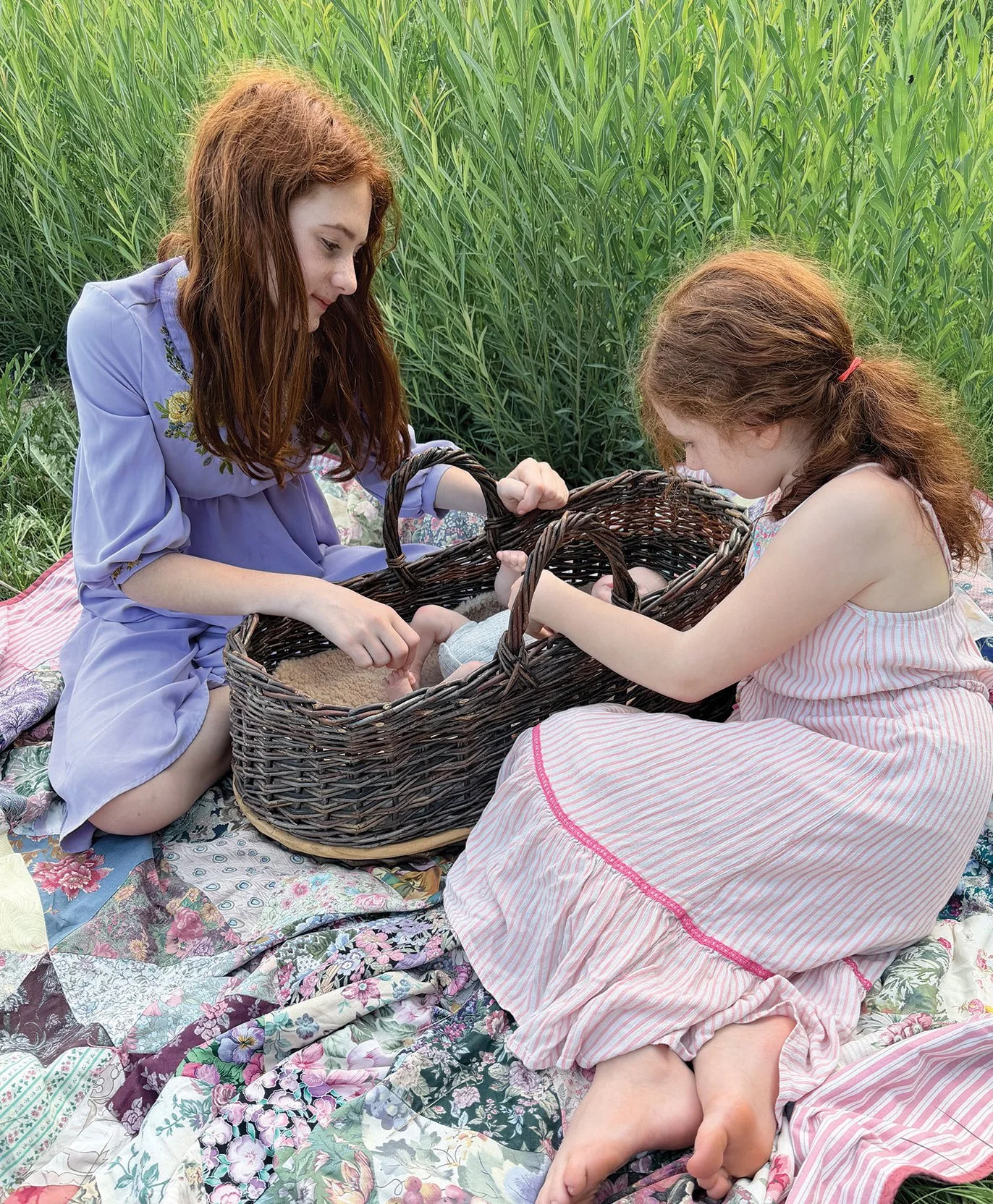
In the living room of a farmstead outside Dexter, Michigan, a willow casket stands upright against the wall. It holds books for now, but eventually it will hold the woman who wove it. That woman is Michael Marie Schofield, a “fiber and funerary artisan.” Schofield weaves conventional basketry and dye work as well as teaches around Southeast Michigan. “But I also do funerary vessels,” she said. “I craft handmade caskets and burial trays and urns and plant dyed shrouds for use in more sustainable end of life options.”
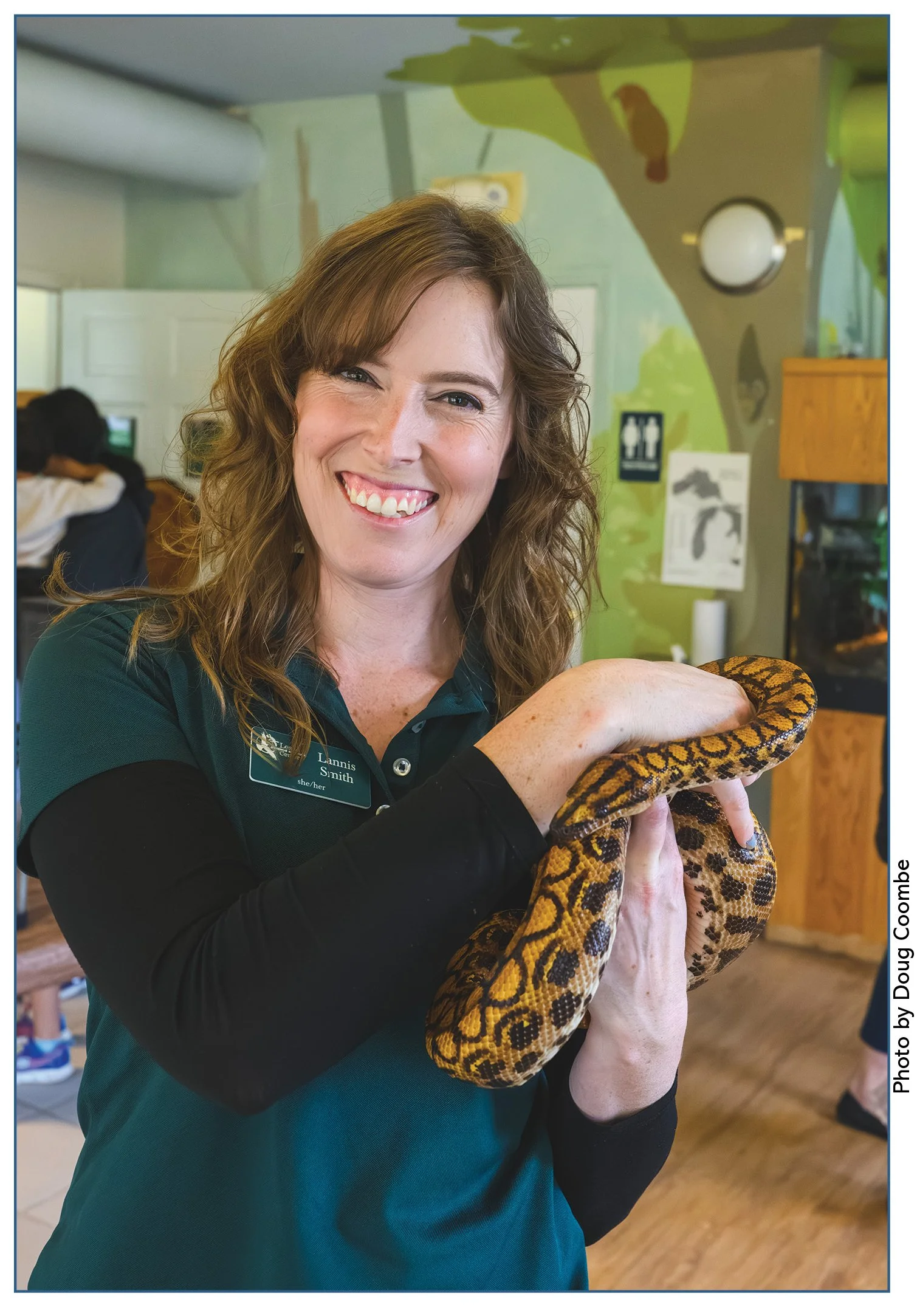
Most Ann Arborites know the Leslie Science & Nature Center (LSNC) off Traver Road is free and open to the public. When was the last time you visited? Maybe you played around on the lawn, in the woods, or in the unique, tunneled playground on a school field trip. Or maybe you showed up for the Annual Earth Day Event or October’s Animal Haunts. The property is still there, better than ever, with a friendly crew to help you when you desire it. Some day you might just want to wander around, or let your mind relax on the Black Pond Woods nature trail.

Every fall, children head into orchards with baskets in hand reaching for apples that are finally ready to be picked. They search pumpkin patches for the perfect pumpkin. They fill bags at farmers’ markets with late-season vegetables and jars of honey. Harvest season teaches us to notice what has grown, but the most important harvests aren’t always found in orchards or pumpkin patches.

Over our lives, when we are shut out from things we want—getting into a school program, scheduling a date with a lovely person, not getting the job in your chosen field—we can tend to dampen our heart’s desire and diminish our joy in the world. We then tend to think of the world as a place to be tolerated. When we follow our open loving heart, we touch into that reservoir of delight and joy which we all have, and then we fully inhabit our precious life. When I get stuck on a project or something I want to do, I often think of this delightful energy we all have, and I reminisce about when I was small, and in my innocence, would not take no for an answer.
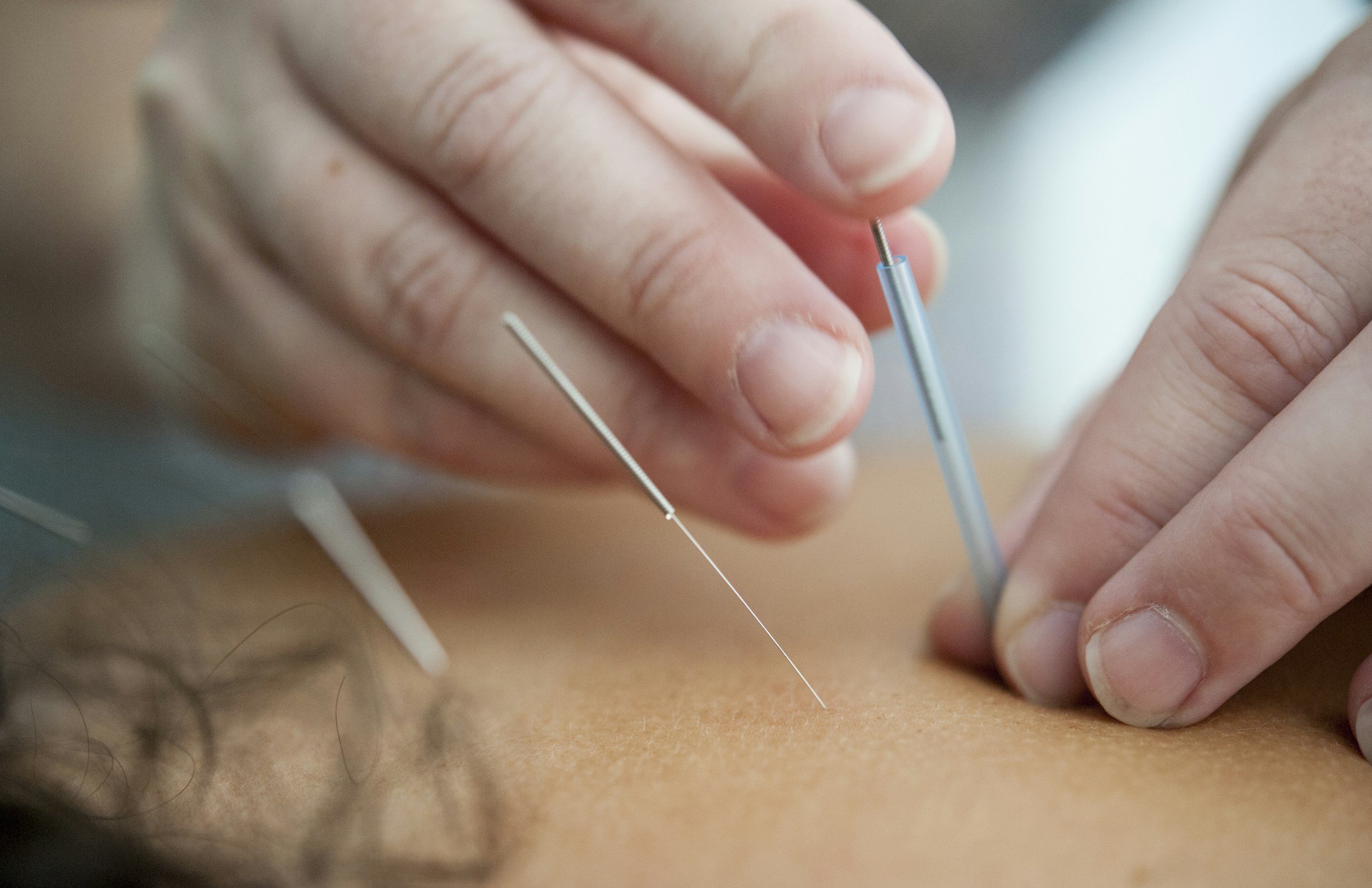
At Peaceful Minds Counseling Services and Care2Cure Physical Therapy in Dexter, Michigan, we have come together to conduct a research study focused on helping individuals with PTSD improve trauma processing and healing. Through this collaboration, we are exploring the effects of using Eye Movement Desensitization and Reprocessing therapy (EMDR) in a mental health setting followed immediately with Dry Needling in a physical therapy setting.
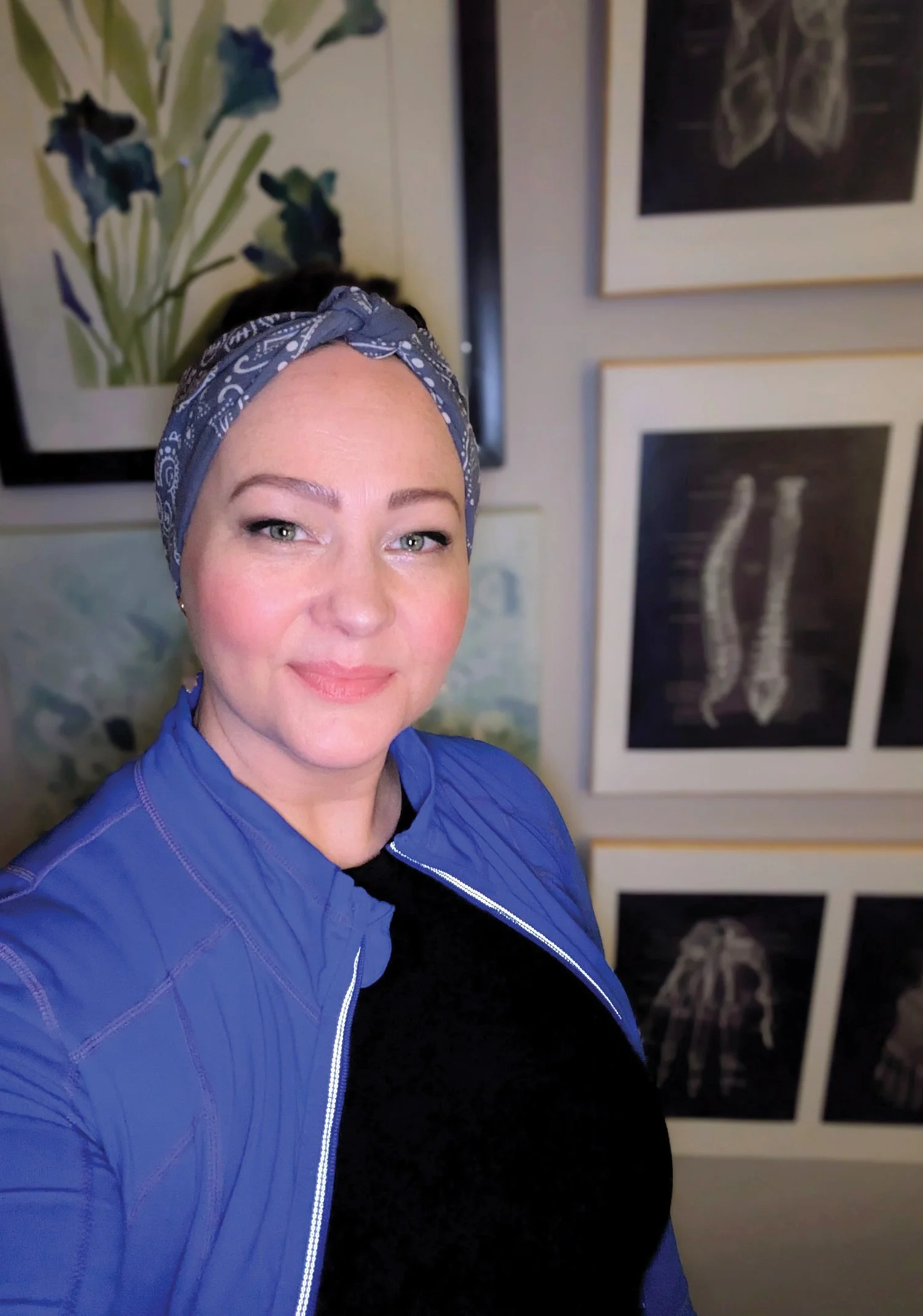
It has long been proven that one’s mental and spiritual wellness have a huge impact on one’s bodily health. With 22 years of training in multiple traditional disciplines such as neuroscience and kinesiology as well as holistic disciplines such as yoga and aromatherapy, Stephanie Olson treats the whole person. From start to finish, in all aspects of her treatments she expresses loving empathy. Given time, a wildflower will break down a stone wall. Slowly, gently, and lovingly, the wall will turn into fertile soil. Stephanie Olson is such a flower.
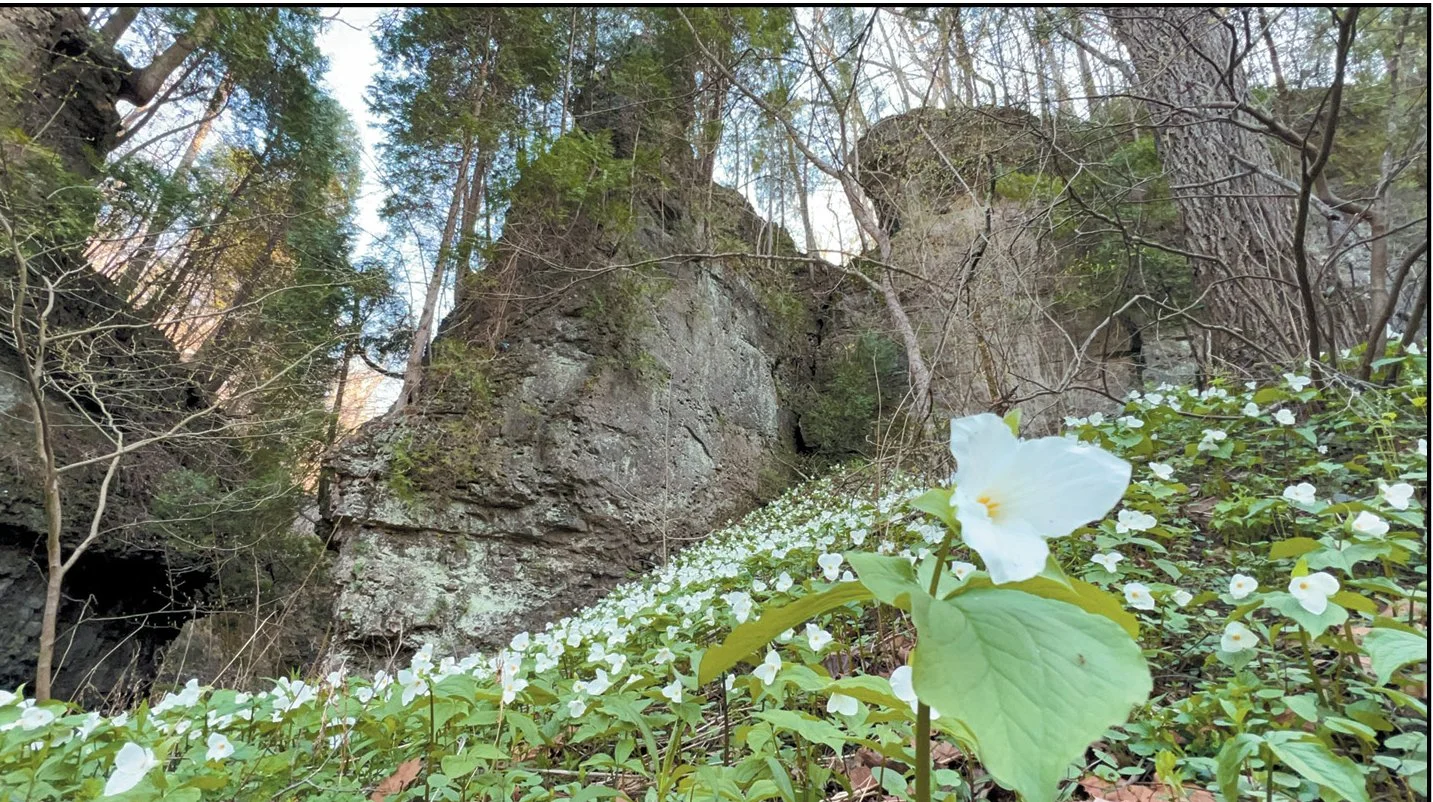
Soon after arriving in Bainbridge (between Dayton and Columbus), I had my first revelation–The Arc wasn’t a guesthouse or retreat facility per se: it was a conservation non-profit dedicated to preserving and restoring the wildscapes of the Appalachian region within southern Ohio, West Virginia, and eastern Kentucky.
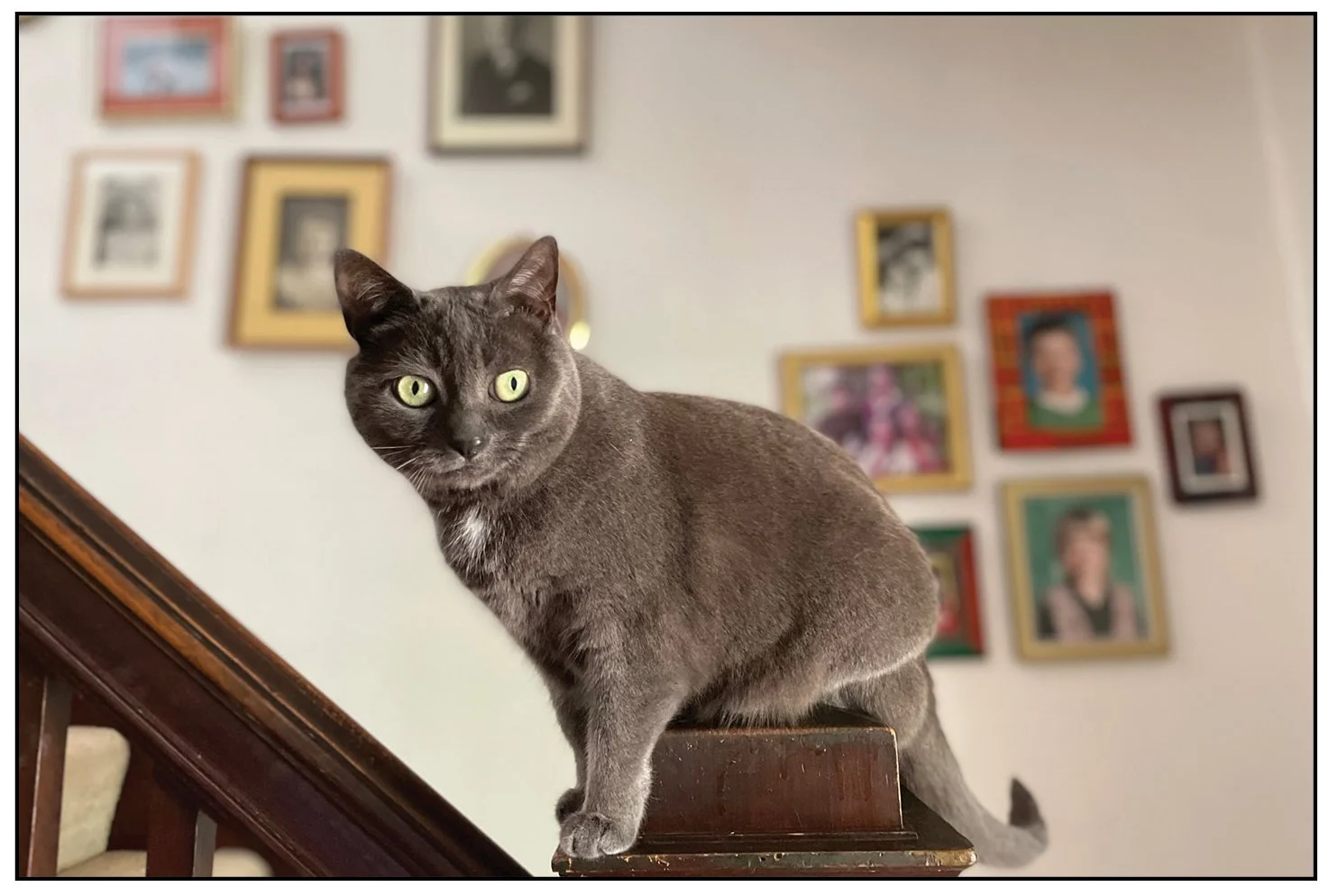
If you own a cat, then you have long ago figured out that your cat actually owns you. But dogs aren’t like that, oh no. It’s clear from day one that your dog belongs to you and wants to please you in every way. They will do everything they can to anticipate your needs and make you feel happy and content. For example, dogs don’t really want to go for a walk with you. But they can tell that you want to go for a walk. So, they’ll bring you their leash and act happy when you take it in your hands, no matter how they might be feeling.
More from Issue 56
Every fall, children head into orchards with baskets in hand reaching for apples that are finally ready to be picked. They search pumpkin patches for the perfect pumpkin. They fill bags at farmers’ markets with late-season vegetables and jars of honey. Harvest season teaches us to notice what has grown, but the most important harvests aren’t always found in orchards or pumpkin patches.
Over our lives, when we are shut out from things we want—getting into a school program, scheduling a date with a lovely person, not getting the job in your chosen field—we can tend to dampen our heart’s desire and diminish our joy in the world. We then tend to think of the world as a place to be tolerated. When we follow our open loving heart, we touch into that reservoir of delight and joy which we all have, and then we fully inhabit our precious life. When I get stuck on a project or something I want to do, I often think of this delightful energy we all have, and I reminisce about when I was small, and in my innocence, would not take no for an answer.



Before the calendar changes, before the jackets disappear, before adults agree that winter is finally over, kids start pointing things out. The light looks different. The sidewalk feels warmer. The air smells like wet dirt, not cold metal. Something has shifted, even if no one can quite name it yet. In Ann Arbor and surrounding areas, spring reveals itself in small, almost secret ways—and those clues teach kids something important about the world and about themselves.

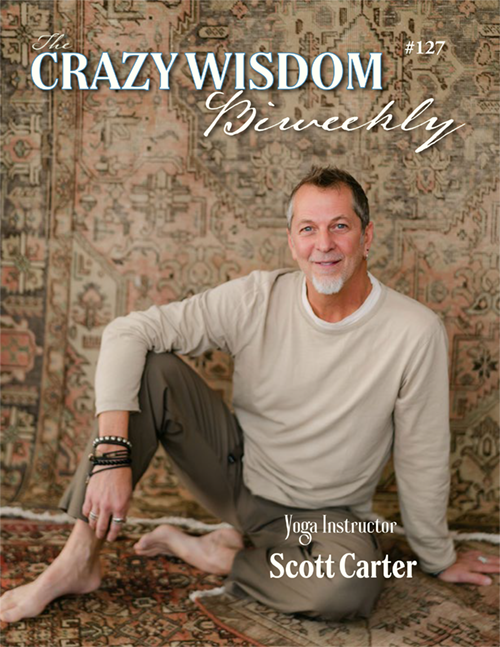
Unless we spend time exploring the underlying causes of our stress, ultimately nothing will change. A yoga practice can help us do just that. One of the gifts of yoga is that it helps us cultivate greater self-awareness. By getting on your yoga mat, you are taking time to slow down, be mindful, and see what you can learn about your body. With ongoing practice, you are better able to listen to your body and give it what it needs on a daily basis.