“I have not failed. I’ve just found 10,000 ways that won’t work.”–Thomas Edison
By Katherine Munter
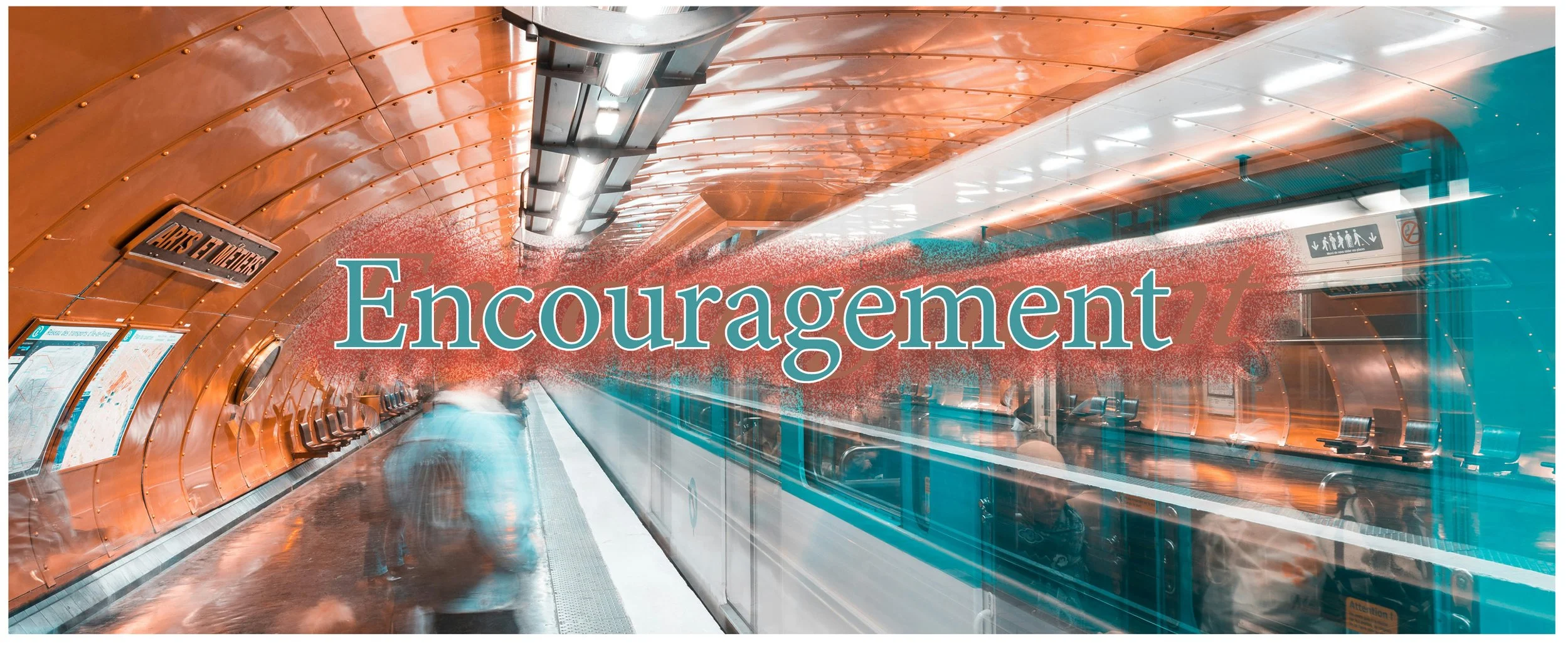
“I know you’re down there somewhere. Please know I’m still trying to find you.” I sat on the sidewalk, my open palms on the cool cement, willing warmth down to the tunnel where my friend Alex waited for me.
I’ve often struggled with spatial reasoning. I follow familiar paths and have difficulty visualizing how things come together. I’ve been told that avalanche survivors, buried deep beneath snow, can become disoriented, digging in the wrong direction with absolute certainty that they are heading toward the surface. That is how I react to maps.
I was 18 years old and living outside Paris when I met Alex, who had recently moved from his native California. Lacking money for the metro fare to the city, he was squeezing behind me through the turnstiles. We went unnoticed until, at the Gare du Nord station, we were stopped by three officers and given a choice: they could send a heavy fine to Alex’s parents, or Alex could remain with the officers while I purchased a ticket.
Telling Alex I’d return shortly, I climbed the stairs, bought a ticket, and returned. They weren’t there; I was now in a different part of the station. I realized I needed to retrace my steps, get back on the train we’d come in on, and re-approach the station.
My plan failed. I had an unlimited train pass, so I started jumping on and off trains, changing lines and directions, hoping one of my paths would lead me back. Nothing worked. I looked at the metro map on the wall, and the colorful lines swirled around and knotted before my eyes, strangling my hope.
Hours passed, and I crumpled onto the sidewalk above. It was Alex’s first time in Paris, and he didn’t speak French. This was a time before cell phones. I had no way of reaching him if I couldn’t figure out the path back to where he waited. With a heavy chest, I felt I was failing him.
As I sat on the sidewalk in despair, a man pushing a broom paused and asked if I was alright. My story poured out, like an uncontrollable wave of water through a dam that had just burst. The man stood, quietly listening until my words tapered off and only sobs were left. He then put a hand on my shoulder, pointed at the ground below, and calmly replied, “He’s down there, not here. Go back down. He’ll be there.”
My heart told me that it was useless, but I wiped my eyes, picked my weary body up, and willed myself back down the stairs. I turned a corner, and there was Alex. I blinked my eyes, as though I must be imagining it. I’ve never been more relieved to see someone. He smiled and told me that the officers had waited for a while but had eventually left him, figuring I wasn’t returning. For hours, he’d sat alone listening to his cassette player. When the batteries died, he stretched and decided to look around the corner, where he spotted me. To him, the timing seemed perfect. He took the extra ticket I’d bought, and we got on the train to head home.
We didn’t see much of the city that day, but I learned about humility and deep gratitude.
Can you recall a time that someone encouraged you when you’d nearly given up hope?
Katherine Munter, clinical psychologist, art therapist, and founder of Creative Life Therapy, an Ann Arbor practice of art therapy and integrative wellbeing. Learn more at www.CreativeLifeTherapy.com.